10 Pro Ways to Trellis Blackberry Bushes
Damp earth yields a distinct, metallic scent of geosmin as the spade breaks the surface; this signifies a healthy microbial population ready to support Rubus fruticosus. A healthy blackberry cane exhibits high turgor pressure, feeling firm and resilient to the touch rather than flaccid or brittle. Learning how to trellis blackberry bushes is the difference between a chaotic, disease-prone thicket and a high-yield vertical orchard. Without structural intervention, the heavy primocanes collapse under their own weight, inviting soil-borne pathogens and reducing airflow.
Effective trellising manages the biennial nature of the plant, separating the first-year vegetative primocanes from the second-year fruiting floricanes. This spatial organization ensures maximum solar radiation reaches the leaf canopy, driving the photosynthesis required for sugar accumulation in the drupelets. Proper support also facilitates pruning and harvesting, preventing the fruit from touching the ground where rot and insects thrive. By implementing a rigid support system, the grower optimizes the plant's energy toward reproductive growth rather than structural defense. Precision in spacing and wire tension creates a stable environment for the rhizosphere to flourish without the stress of mechanical damage from wind or heavy fruit loads.
Materials:
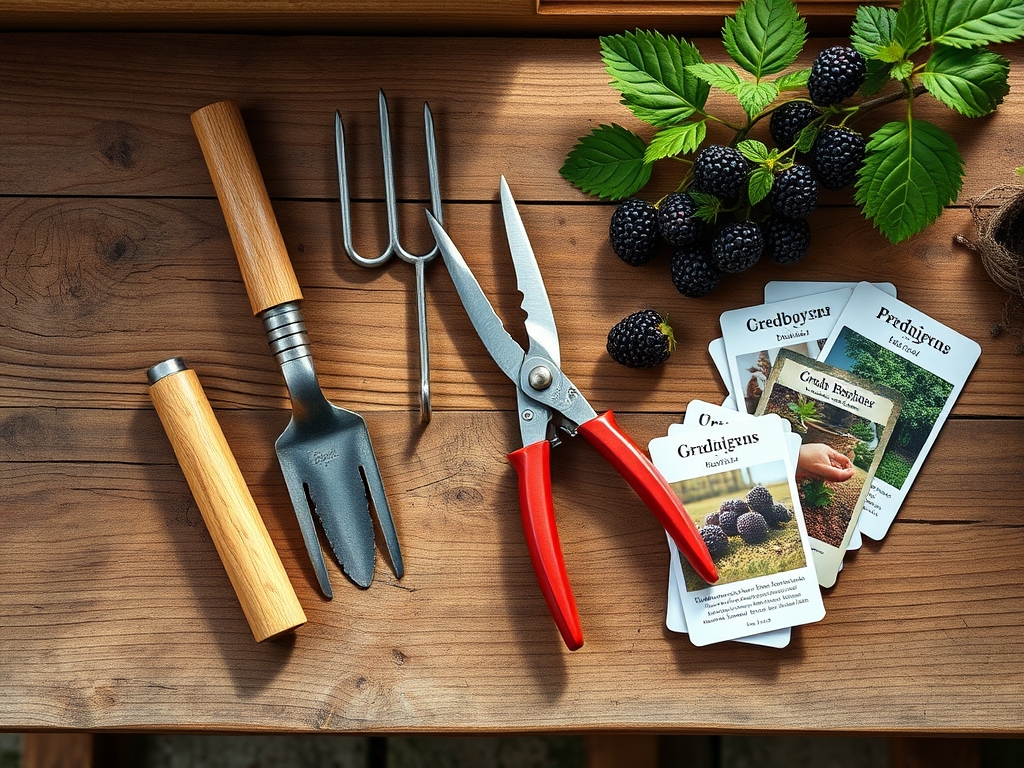
Blackberries thrive in a **friable loam** with a gritty texture that allows for rapid drainage while retaining sufficient moisture. The ideal substrate has a **pH between 5.5 and 6.5**. If your soil test indicates a lower Cation Exchange Capacity (CEC), incorporate organic matter to improve nutrient retention. For the trellis itself, use **12.5-gauge galvanized high-tensile wire** and **pressure-treated 4×4 timber posts** or heavy-duty steel T-posts.
Nutrient management requires specific NPK ratios. During the establishment phase, a 10-10-10 balanced fertilizer provides the necessary phosphorus for root development. Once established, transition to a 20-10-10 ratio in early spring to stimulate vigorous cane growth. Avoid high nitrogen late in the season, as this induces succulent growth that is highly susceptible to winter injury. Incorporate sulfate of potash if soil tests show potassium deficiency, which is critical for water regulation and fruit quality.
Timing:
Successful trellising begins during the dormant season, typically between Hardiness Zones 5 and 9. In colder zones, installation must occur after the ground thaws but before the biological clock triggers bud break. This transition from dormancy to the vegetative stage occurs when soil temperatures consistently reach 45 to 50 degrees Fahrenheit.
The "Biological Clock" is governed by the photoperiod and chilling hours. Most blackberry cultivars require between 400 and 1,000 chilling hours below 45 degrees Fahrenheit to break dormancy uniformly. Trellis construction should be completed before the primocanes reach 12 inches in height. Once the plant enters the rapid vegetative phase, stems become less flexible; waiting too long increases the risk of snapping the vascular tissue, which disrupts the flow of water and nutrients through the xylem.
Phases:
Sowing and Site Preparation
Clear the area of all perennial weeds. Dig a trench 12 inches deep and 18 inches wide. Space plants 3 to 4 feet apart for erect varieties and 6 to 8 feet apart for trailing types. Ensure the crown is set exactly at the soil line; planting too deep causes crown rot, while shallow planting leads to desiccation.
Pro-Tip: Mycorrhizal fungi inoculation during planting enhances the rhizosphere. This symbiotic relationship increases the surface area of the root system, allowing for better uptake of phosphorus and micronutrients in low-CEC soils.
Transplanting and Initial Support
Install the first wire at 24 inches above the soil line. As primocanes emerge, loosely secure them to the wire using soft garden twine or specialized clips. This prevents the canes from trailing on the ground where they might take root, a process known as tip-rooting, which creates an unmanageable thicket.
Pro-Tip: Utilize auxin suppression by tipping the primocanes once they reach the top wire. Removing the apical meristem halts vertical growth and forces the plant to redirect hormones to lateral buds, creating a bushier, more productive plant.
Establishing the Trellis System
For a standard T-Trellis, install a cross-arm at 3.5 feet and another at 5 feet. String two parallel wires along the ends of these arms. This creates a "box" that contains the canes. For trailing varieties, the Double-T system or a Fanning system is preferred to maximize leaf exposure to the sun.
Pro-Tip: Proper spacing optimizes phototropism. By ensuring each leaf has access to direct sunlight, the plant maximizes glucose production, which is then translocated to the roots and developing fruit for higher Brix levels.
The Clinic:
Physiological disorders often mimic disease but are frequently related to environmental stress or nutrient imbalances.
- Symptom: Interveinal chlorosis on young leaves.
- Solution: This indicates Iron deficiency, often caused by high soil pH. Apply chelated iron and adjust soil pH toward 6.0.
- Symptom: Yellowing of older leaves starting at the margins.
- Solution: Nitrogen chlorosis. Apply a quick-release high-nitrogen fertilizer like ammonium sulfate, but only during the active growth phase.
- Symptom: White drupelets on the fruit.
- Solution: White Drupelet Disorder caused by high UV radiation and low humidity. This is a physical burn, not a disease. Increase airflow through better trellising and consider 30 percent shade cloth during extreme heat waves.
Fix-It: If canes appear stunted with purple tints, the plant likely lacks phosphorus. Check soil temperature; cold soil often prevents phosphorus uptake even if the nutrient is present.
Maintenance:
Precision irrigation is vital. Deliver 1.5 inches of water per week directly to the drip line using drip irrigation to keep the foliage dry. Use a soil moisture meter to ensure the root zone remains moist but not saturated.
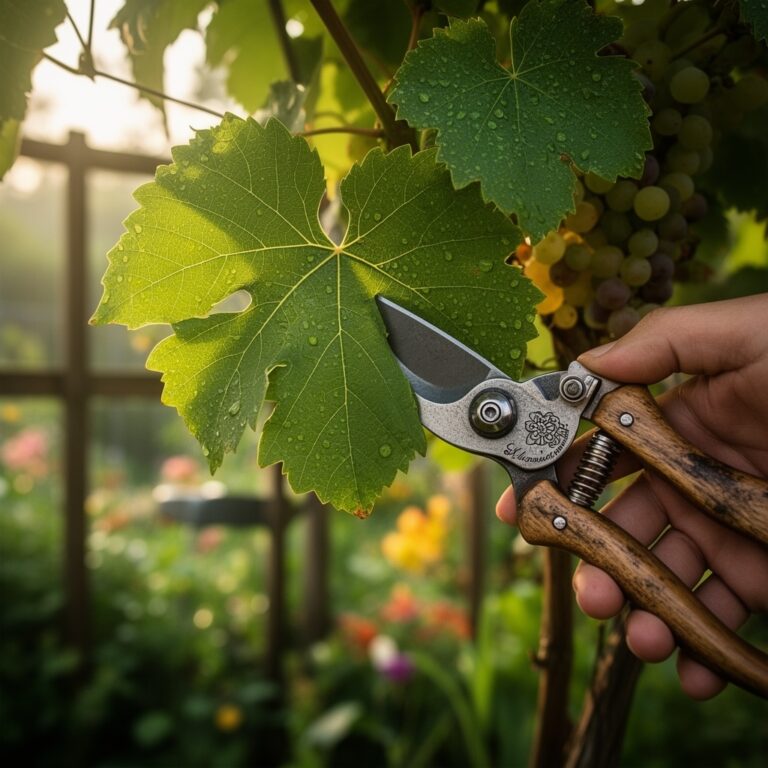
Pruning is a surgical task. Use bypass pruners for clean cuts that heal quickly. A hori-hori knife is excellent for removing suckers that emerge outside the designated row. In the winter, remove all floricanes that have finished fruiting by cutting them at the ground level. Thin the remaining primocanes to 5 or 6 per linear foot to prevent overcrowding and ensure adequate gas exchange within the canopy.
The Yield:
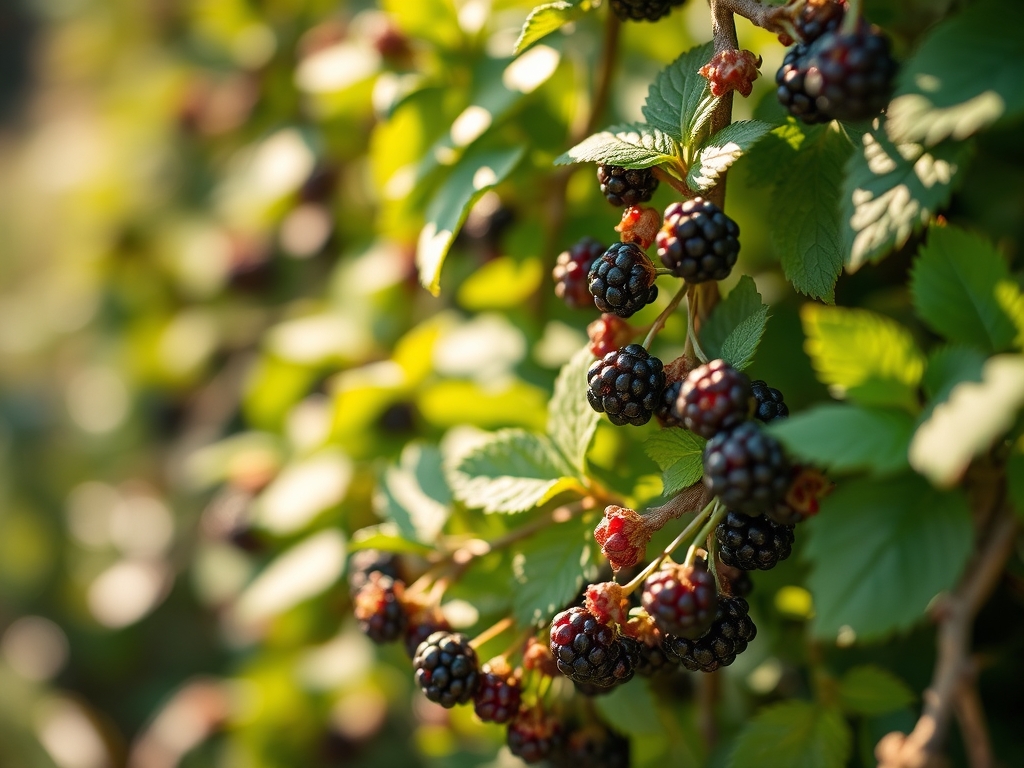
Harvesting occurs when the fruit transitions from a shiny black to a dull, matte black finish. This indicates the peak sugar-to-acid ratio. Pick in the early morning when the fruit is cool to maintain post-harvest turgor.
Handle the berries with care; do not stack them more than three layers deep to avoid crushing the bottom fruit. For "day-one" freshness, move the berries immediately to a refrigerated environment at 32 to 34 degrees Fahrenheit with 90 percent relative humidity. This slows the rate of senescence and respiration, extending the shelf life from two days to over a week.
FAQ:
What is the best trellis for trailing blackberries?
The two-wire vertical trellis is most effective. Space wires at 3 feet and 5 feet. This allow growers to wrap the long, flexible canes around the wires, maximizing sun exposure and keeping fruit off the soil.
How high should a blackberry trellis be?
A standard trellis should stand 5 to 6 feet tall. This height accommodates the natural growth habit of most cultivars while remaining accessible for manual harvesting and pruning without the need for specialized equipment.
Can I use PVC pipe for a blackberry trellis?
PVC is generally discouraged because it lacks the structural integrity to support heavy fruit loads and degrades under UV radiation. Use galvanized steel or pressure-treated wood to ensure the system lasts the 15-year lifespan of the plants.
When should I tie canes to the trellis?
Secure primocanes as soon as they reach the first wire, typically in late spring. Continue training them throughout the summer. Final securing and structural pruning should occur during the dormant winter period before bud break.