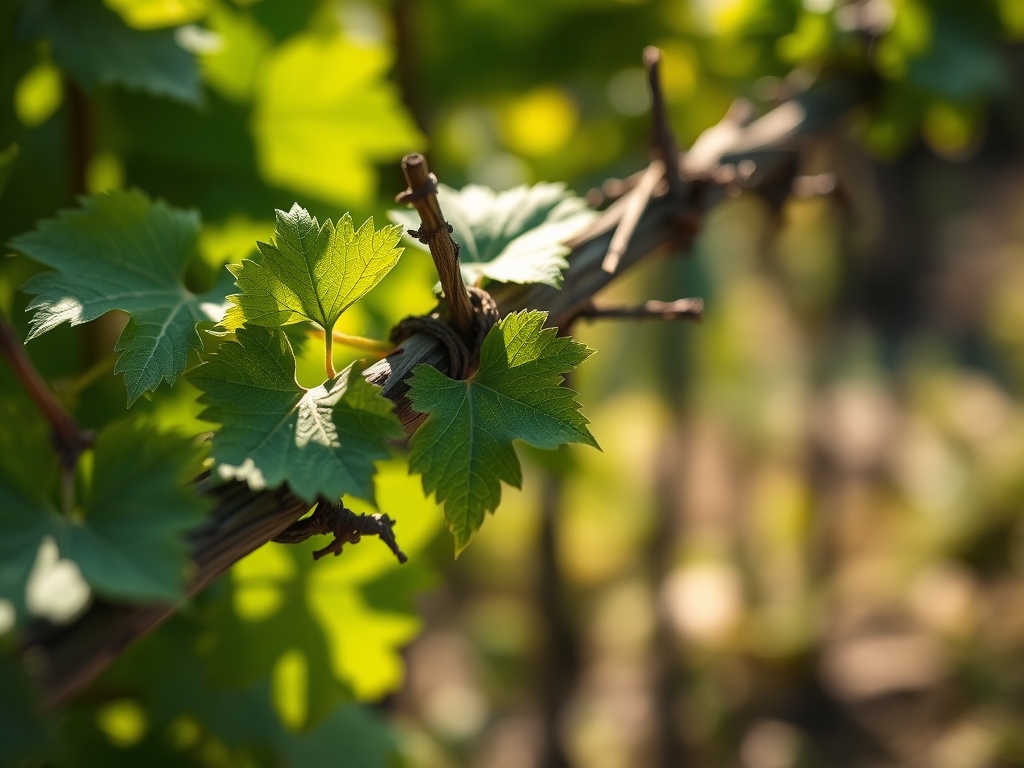
5 Expert Ways How to Trellis Grape Vines
The smell of damp earth after a spring thaw signals the precise moment to consider how to trellis grape vines for maximum yield. High turgor pressure in the developing buds indicates the sap is rising; this internal hydraulic force is the engine of the vineyard. Successful viticulture requires a rigid framework to manage the heavy vegetative load of the Vitis genus. Without a structured support system, the vine reverts to its ancestral habit of ground-crawling, which increases disease pressure and reduces the photosynthetic efficiency of the canopy.
Properly engineered trellising optimizes solar radiation interception and air circulation within the fruiting zone. A well-constructed system must withstand the mechanical stress of wind and the weight of fruit clusters that can exceed twenty pounds per linear foot of wire. You are not merely building a fence; you are creating a biological scaffolding that dictates the plant's architecture for the next thirty years. Precision in the early stages of installation prevents structural failure during the peak of the reproductive cycle when the vine is most vulnerable to collapse.
Materials:
Grape vines thrive in a **friable loam** with a **Soil Cation Exchange Capacity (CEC)** between **10 and 20 meq/100g**. This texture allows for rapid drainage while maintaining enough surface area on soil particles to hold essential cations like potassium and magnesium. Before installing posts, verify the soil **pH is between 6.0 and 6.8**.
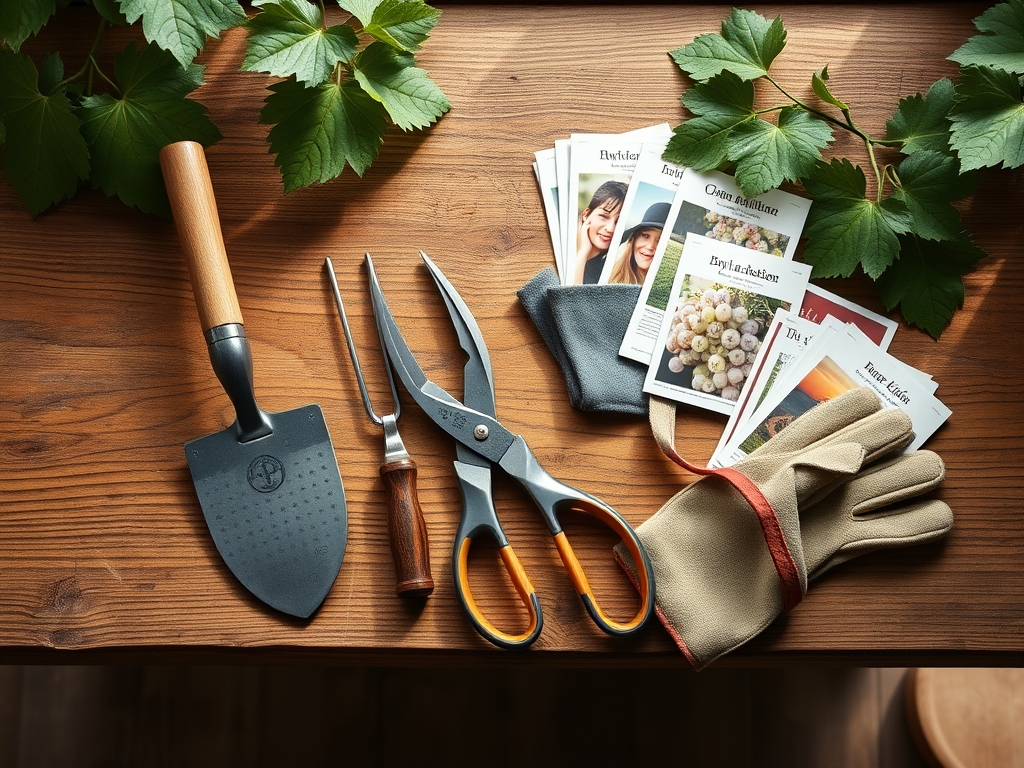
For the initial establishment phase, use a starter fertilizer with an NPK ratio of 10-10-10 to support root development. Once the vines are established, transition to a 10-5-20 ratio to prioritize fruit quality over excessive vegetative growth. You will need 12.5-gauge high-tensile galvanized wire, pressure-treated 4×4 timber end posts, and steel T-posts spaced every 20 feet. Ensure you have a high-quality soil moisture meter to monitor the rhizosphere at a depth of 12 to 18 inches.
Timing:
Vines should be planted and trellised in USDA Hardiness Zones 4 through 10, specifically during the dormant window between late winter and early spring. The ideal planting window occurs when soil temperatures consistently reach 45 degrees Fahrenheit, approximately two to three weeks before the last frost date.
The "Biological Clock" of the grape vine is governed by the photoperiod and accumulated Growing Degree Days (GDD). In the spring, the transition from the dormant stage to the vegetative stage is triggered by rising ambient temperatures. As the vine moves into the reproductive stage, the trellising system must be ready to support the rapid elongation of shoots, which can grow up to one inch per day during peak summer heat. Failure to secure the vine during this period results in disorganized growth and poor cluster development.
Phases:
Sowing and Site Preparation
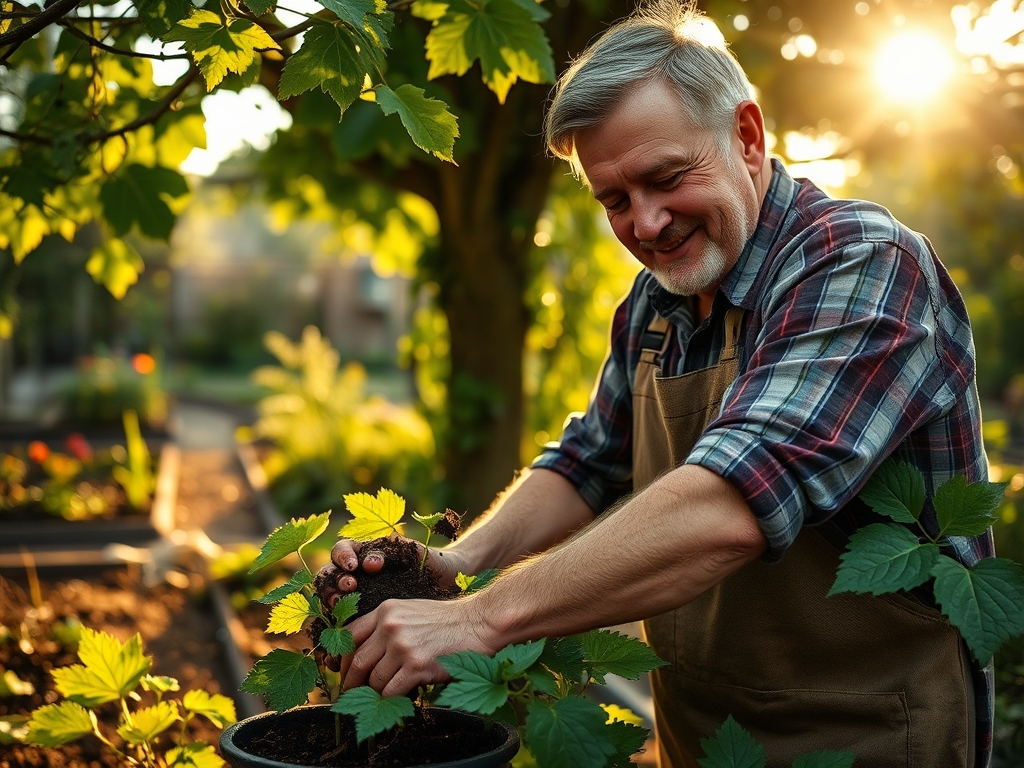
Prepare the site by tilling the soil to a depth of 24 inches to break up any restrictive hardpans. Dig a hole twice as wide as the root ball. Ensure the graft union remains 2 inches above the soil line to prevent the scion from developing its own roots.
Pro-Tip: Proper site preparation facilitates mycorrhizal symbiosis. These beneficial fungi extend the root system's reach, increasing the uptake of phosphorus and water by a factor of ten.
Transplanting
Place the dormant vine against the base of the trellis post. Backfill with native soil without adding organic amendments directly to the hole; this encourages the roots to explore the surrounding rhizosphere. Tamp the soil firmly to eliminate air pockets that cause root desiccation.
Pro-Tip: Maintaining high turgor pressure during transplanting is critical. Soak the roots in water for two to four hours prior to planting to ensure the vascular system is fully hydrated.
Establishing the Framework
During the first year, prune the vine back to two strong buds. As these buds grow, select the most vigorous shoot and tie it loosely to a vertical stake. This becomes the permanent trunk. In the second year, train the lateral shoots along the horizontal trellis wires to form the cordons.
Pro-Tip: Utilizing auxin suppression is key here. By training the main trunk vertically, you utilize apical dominance to drive height. Once the tip is bent horizontally along the wire, auxin distribution shifts, stimulating the growth of lateral fruiting canes.
The Clinic:
Physiological disorders often stem from poor trellis management or nutrient imbalances.
- Symptom: Interveinal chlorosis on older leaves.
- Solution: This indicates Magnesium deficiency. Apply a foliar spray of Epsom salts or adjust soil pH if it has dropped below 5.5.
- Symptom: Stunted shoot growth and pale green foliage.
- Solution: Nitrogen chlorosis. Apply a quick-release high-nitrogen fertilizer (20-0-0) at the drip line to restore vegetative vigor.
- Symptom: "Hen and Chickens" (uneven berry size within a cluster).
- Solution: This is often a Boron deficiency. Apply a trace mineral supplement during the pre-bloom stage to ensure even pollination.
Fix-It: For general vigor issues, check the soil moisture meter. If the soil is consistently saturated, the roots are likely suffering from hypoxia, which prevents the uptake of all nutrients regardless of soil concentration.
Maintenance:
Precision maintenance is the difference between a hobby garden and a professional vineyard. Provide 1.5 inches of water per week at the drip line using drip irrigation to minimize leaf wetness. Use a hori-hori knife to remove invasive weeds that compete for nutrients in the top 6 inches of soil.
Pruning must be performed annually during dormancy using sharpened bypass pruners. Remove 80 to 90 percent of the previous year's wood to balance the vine's capacity with its crop load. Monitor the canopy density; if the leaves are overlapping more than two layers deep, thin the foliage to allow light to reach the interior fruiting zone. This reduces the risk of fungal pathogens by increasing the rate of evaporation after rain events.
The Yield:
Harvesting occurs when the fruit reaches the desired Brix level (sugar content), typically between 18 and 24 percent depending on the variety. Use a refractometer for precise measurement. Harvest in the early morning when the fruit is cool to preserve the structural integrity of the berries and prevent premature fermentation.
Handle the clusters by the stem only to preserve the "bloom," the natural waxy coating on the skin. For "day-one" freshness, move the harvested grapes immediately to a cold storage environment maintained at 32 to 35 degrees Fahrenheit with high humidity. This slows the process of senescence and prevents the stems from drying out.
FAQ:
What is the best wire height for a grape trellis?
Set the bottom wire at 30 to 36 inches above the ground. If using a two-wire system, place the second wire 12 to 24 inches above the first. This height optimizes airflow and simplifies mechanical harvesting or manual pruning.
How deep should trellis end posts be set?
End posts must be buried at least 36 inches deep. Use a slight outward angle and an earth anchor to counteract the tension of the wires. Proper depth prevents the system from leaning under the weight of a heavy crop.
Can I use plastic twine to tie my vines?
Avoid thin plastic twine which can cut into the vascular tissue. Use stretchable plastic tie tape or specialized rubberized wire ties. These materials expand as the vine grows, preventing girdling and maintaining consistent nutrient flow through the phloem.
When is the best time to tension the trellis wires?
Tension wires in late winter before the vines exit dormancy. Cold temperatures cause the metal to contract; tightening them during this phase ensures the system remains taut during the heat of summer when the metal expands and the fruit load increases.