5 Pro Tips How to Grow Fig Trees
The scent of crushed Ficus carica leaves is sharp and resinous; it is the smell of latex and sun-warmed wood. A healthy specimen exhibits high turgor pressure in its broad, palmate leaves, indicating a robust hydraulic system within the xylem. Understanding how to grow fig trees requires more than casual interest; it demands a technical mastery of soil physics and Mediterranean climate emulation. Success hinges on managing the transition from dormant wood to active vegetative growth through precise caloric and hydraulic inputs.
The Ficus genus is genetically programmed for opportunistic growth. In the wild, these plants colonize rocky outcroppings where drainage is absolute. In a domestic orchard or container setting, the gardener must replicate this high-drainage environment while maintaining a consistent nutrient profile. This guide provides the technical framework for optimizing fruit set and ensuring the structural integrity of the tree. By focusing on the rhizosphere and the specific metabolic needs of the plant, you can achieve a harvest that far exceeds the quality of commercial counterparts.
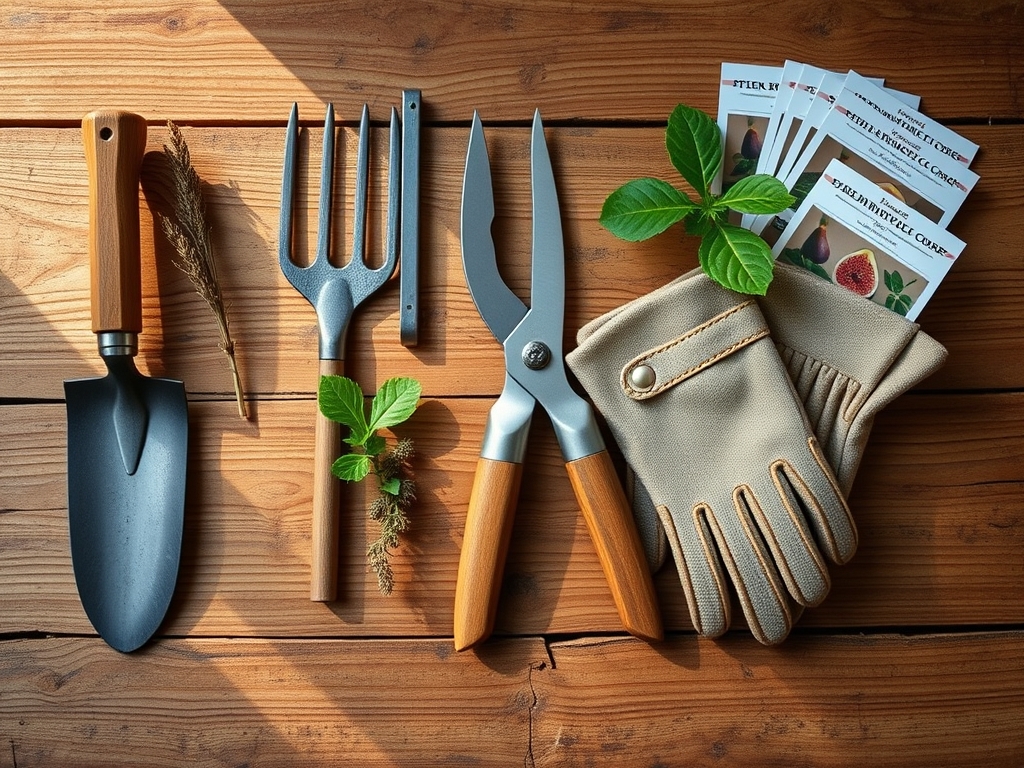
Materials:
The foundation of fig cultivation is a soil pH between 6.0 and 6.5. While figs can tolerate slightly alkaline conditions up to 7.8, nutrient availability peaks in the slightly acidic range. The substrate must be a friable loam with a high Cation Exchange Capacity (CEC). This ensures the soil can hold and release essential ions like potassium and magnesium.
For the initial planting phase, utilize a fertilizer with an NPK ratio of 10-10-10 to support balanced root and shoot development. As the tree matures into its reproductive phase, shift to a 5-10-10 formula. The increased phosphorus and potassium levels support fruit lignification and sugar accumulation. Avoid high-nitrogen inputs late in the season, as this triggers succulent growth that is highly susceptible to winter kill. The physical texture of the medium should consist of 40 percent compost, 40 percent sandy loam, and 20 percent perlite or pumice to ensure adequate macropore space for oxygen diffusion to the roots.
Timing:
Figs are primarily suited for USDA Hardiness Zones 7 through 11, though certain cultivars like 'Chicago Hardy' can survive in Zone 6 with significant winter protection. The biological clock of the fig tree is governed by the photoperiod and ambient temperature. Planting should occur in late winter or early spring when the tree is still in its dormant state, typically two to four weeks before the last predicted frost.
The transition from the vegetative stage to the reproductive stage occurs once the tree has accumulated sufficient "heat units" or Growing Degree Days (GDD). In most regions, the first crop, known as the breba crop, develops on the previous year's wood in early summer. The main crop develops on the current season's new growth. Monitoring the soil temperature is critical; root activity begins once the rhizosphere reaches 50 degrees Fahrenheit.
Phases:
Sowing and Propagation
Most fig trees are grown from hardwood cuttings rather than seeds to ensure genetic clones of the parent. Take 8 to 10-inch cuttings from one-year-old wood during the dormant season. Treat the basal end with indole-3-butyric acid (rooting hormone) to stimulate cell differentiation.
Pro-Tip: Maintain a bottom heat of 70 to 75 degrees Fahrenheit for cuttings. This utilizes the principle of thermomorphogenesis, where specific temperature ranges trigger the rapid division of meristematic cells at the node, bypassing the plant's natural tendency to remain dormant.
Transplanting
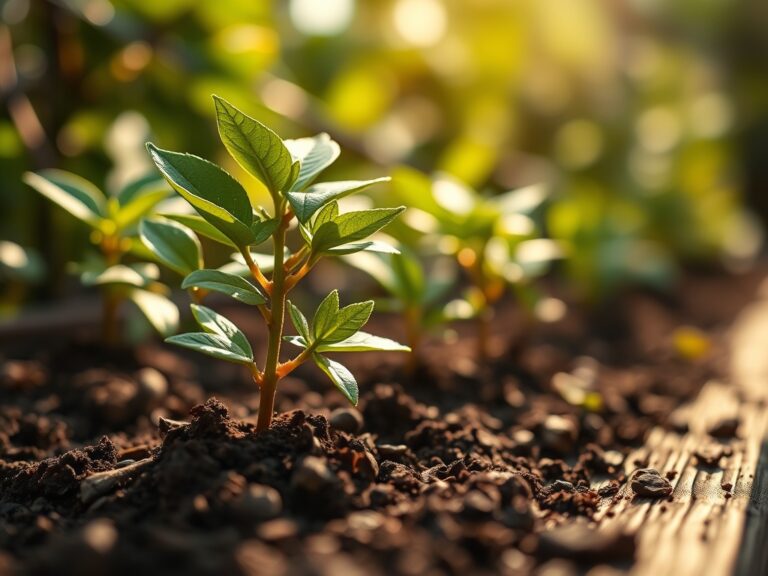
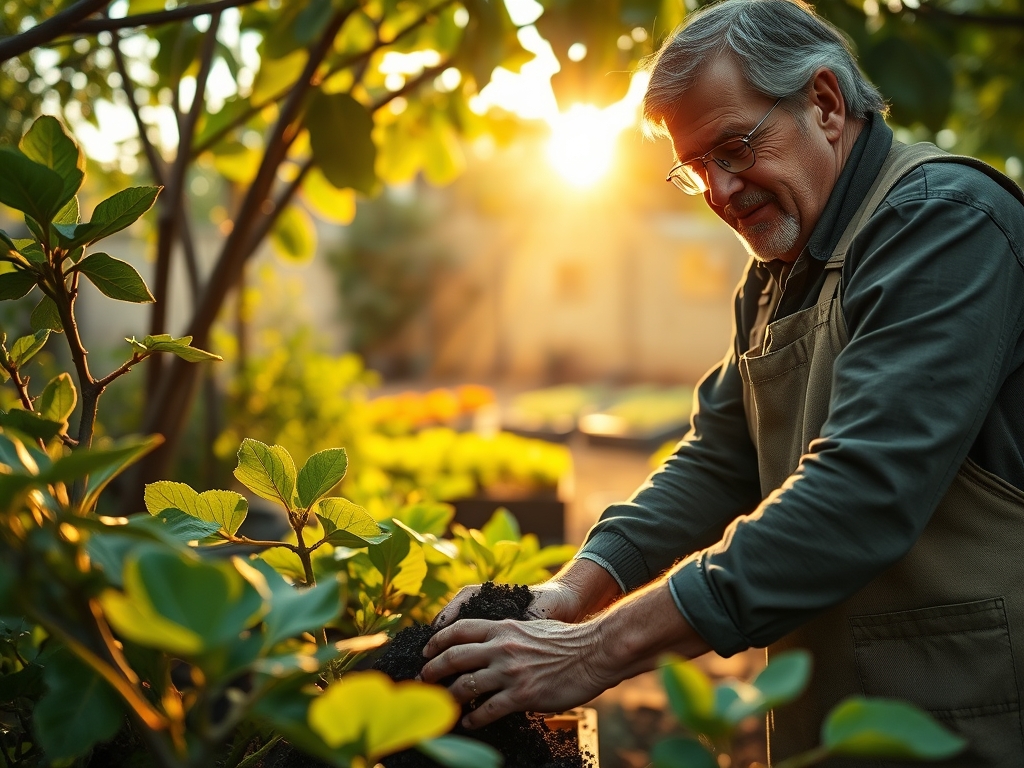
When moving a sapling to its permanent location, dig a hole twice as wide as the root ball but no deeper. Ensure the graft union, if present, remains above the soil line. Backfill with the native soil amended with no more than 20 percent organic matter to prevent "container effect" where roots refuse to leave the soft planting hole.
Pro-Tip: Inoculate the planting hole with endomycorrhizal fungi. This establishes a symbiotic relationship where the fungi extend the root system's reach, increasing the surface area for phosphorus absorption and improving the tree's drought resistance through enhanced water foraging.
Establishing
During the first two growing seasons, the focus is on structural development. Prune to a "central leader" or "open vase" system to ensure sunlight reaches the interior of the canopy. This maximizes photosynthesis and prevents the interior of the tree from becoming a reservoir for high humidity.
Pro-Tip: Use apical dominance suppression by pinching back the terminal buds of new shoots once they reach five or six leaves. This redirects auxins to the lateral buds, encouraging the development of the main fruit crop and creating a sturdier, more compact branch structure.
The Clinic:
Symptom: Yellowing of older leaves while veins remain green.
Solution: This indicates Magnesium deficiency. Apply Epsom salts (magnesium sulfate) at a rate of one tablespoon per gallon of water to restore chlorophyll production.
Symptom: Small, distorted leaves and shortened internodes.
Solution: This is typically a Zinc deficiency, common in high pH soils. Apply a chelated zinc foliar spray to bypass soil lockout.
Symptom: Fruit dropping before maturity.
Solution: Physiological stress caused by fluctuating soil moisture. Ensure the tree receives consistent irrigation. If the tree is young, it may simply lack the carbohydrate reserves to support a full crop.
Fix-It: Nitrogen Chlorosis
If the entire leaf turns pale green or yellow, the tree lacks nitrogen. Apply a fast-acting organic liquid fertilizer with a high N rating immediately, but do not exceed the recommended dosage, as this can burn the sensitive root hairs.
Maintenance:
Precision irrigation is the difference between split fruit and a perfect harvest. Fig trees require 1.5 inches of water per week delivered at the drip line. Avoid wetting the foliage to prevent fungal pathogens. Use a soil moisture meter to verify that the top 6 inches of soil have dried slightly before the next irrigation cycle.
Pruning is best performed with sharp bypass pruners for smaller wood and a hori-hori knife for weeding around the base without damaging the shallow root system. Remove any "suckers" emerging from the base of the tree immediately, as these divert energy away from fruit production. In late autumn, apply a 3-inch layer of wood chip mulch around the base, keeping it 4 inches away from the trunk to prevent crown rot.
The Yield:
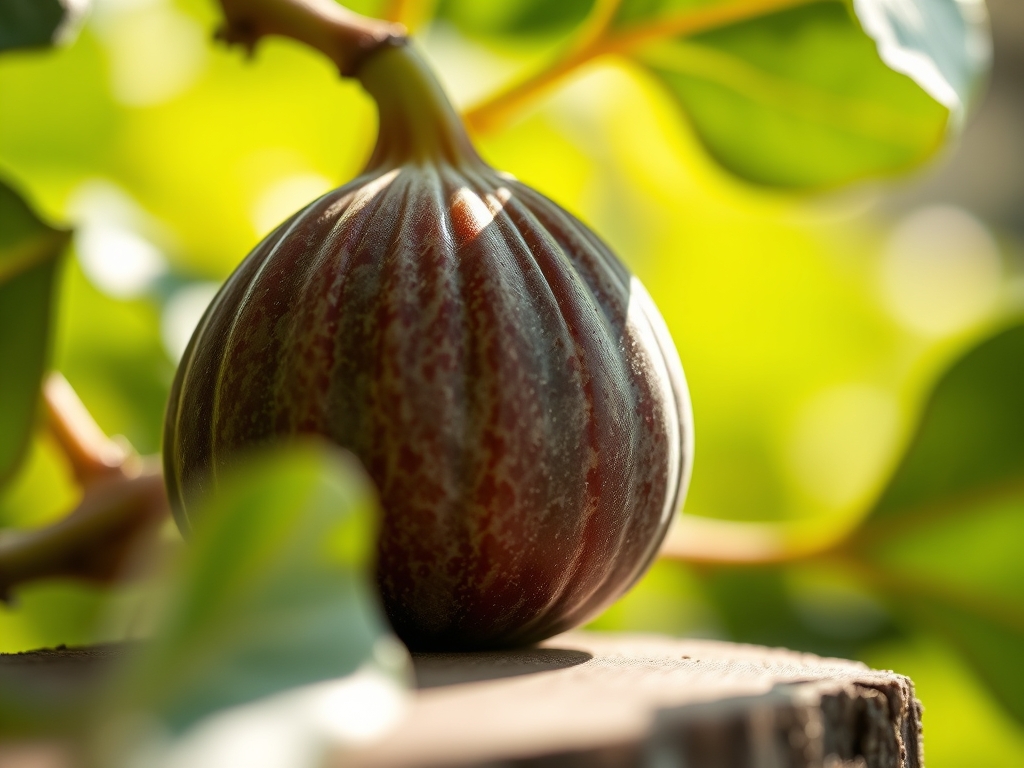
Harvesting is a matter of tactile and visual cues. A fig is ripe when the neck wilts and the fruit hangs vertically. The skin should feel soft to the touch, and a drop of nectar may appear at the "eye" (ostiole) of the fruit. Unlike many other fruits, figs do not continue to ripen once removed from the tree.
Use the "lift and twist" technique to harvest; if the fruit resists, it is not ready. Wear gloves during this process, as the milky white sap contains ficin, which can cause skin irritation. For "day-one" freshness, cool the fruit immediately after harvest to 32 to 35 degrees Fahrenheit. This slows the rate of respiration and prevents the rapid breakdown of sugars.
FAQ:
How often should I water my fig tree?
Apply 1.5 inches of water weekly at the drip line. Use a moisture meter to ensure the top 2 inches of soil are dry before re-watering. Container-grown figs may require daily irrigation during peak summer temperatures to maintain turgor.
Why are my figs falling off before they ripen?
Premature fruit drop is usually caused by irregular irrigation or nitrogen imbalances. Ensure consistent soil moisture and avoid high-nitrogen fertilizers once fruit has set. Young trees may also drop fruit if they lack sufficient carbohydrate reserves for maturation.
What is the best fertilizer for fig trees?
Use a balanced 10-10-10 NPK ratio in early spring to support vegetative growth. Transition to a 5-10-10 ratio in late spring to encourage fruit development. Avoid fertilizing after July to prevent frost-sensitive late-season growth.
Do fig trees need a second tree for pollination?
Most common backyard cultivars like 'Brown Turkey' or 'Celeste' are parthenocarpic, meaning they produce fruit without pollination. They do not require a second tree. Only specific "Smyrna" types require the fig wasp for pollination.