6 Production Steps to Prepare a Container Vegetable Forest
The scent of decomposing wood chips mingles with the sharp tang of fish emulsion on a cool April morning. Your containers stand empty, stacked against a south-facing wall, waiting to become productive nodes in a miniature forest ecosystem. Learning how to prepare a garden for a container vegetable forest demands more than filling pots with soil; it requires orchestrating mycorrhizal networks, managing cation exchange capacity, and engineering drainage layers that mimic forest floor dynamics.
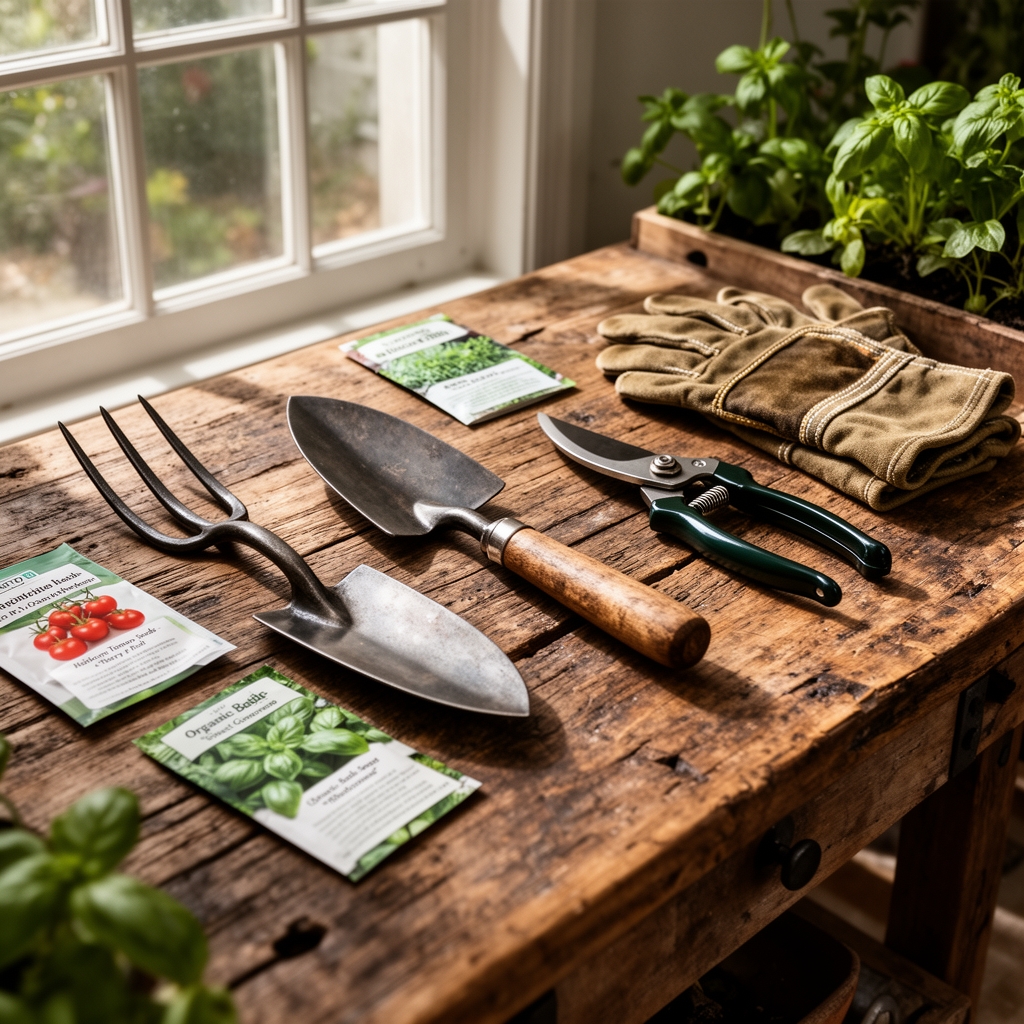
Materials
Container selection begins with volume and drainage. Use 15-gallon fabric pots for perennial brassicas and 7-gallon containers for annual leafy greens. Each container requires drainage holes measuring 0.5 inches in diameter, spaced 3 inches apart along the base.
Substrate composition determines long-term fertility. Blend 40% aged pine bark (pH 5.5-6.0), 30% coconut coir (pH 6.0-6.8), 20% worm castings (NPK 1-0-0), and 10% perlite. Add 2 cups of biochar per cubic foot to increase cation exchange capacity. Mix in a 4-4-4 organic meal at 1/4 cup per gallon of substrate. This slow-release formulation contains feather meal, bone meal, and kelp.
Mycorrhizal inoculant powder containing Rhizophagus irregularis at 120 propagules per gram ensures root colonization. Purchase endo-mycorrhizal species for vegetable crops rather than ecto-mycorrhizal types used for conifers. Liquid fish hydrolysate (NPK 2-4-1) provides foliar nutrition during establishment.
Water retention additives help buffer moisture swings. Incorporate hydrogel crystals at 1 teaspoon per gallon or use compost with high humic acid content. Mulch materials include aged hardwood chips (carbon-to-nitrogen ratio 400:1) and straw (C:N 80:1). Avoid fresh cedar or walnut, which release allelopathic compounds.
Timing
Hardiness zones dictate when to establish container forest systems. In Zones 3-5, begin substrate preparation 3 weeks before the last spring frost date. Zone 6-7 gardeners can start 4 weeks prior. Zones 8-10 allow year-round establishment with attention to summer heat stress.
Last frost dates serve as anchors for scheduling. Cool-season crops (kale, collards, Asian greens) tolerate soil temperatures of 40°F. Wait until soil warms to 60°F for heat-loving perennials like tree collards. Use a soil thermometer inserted 4 inches deep, measured at 8 AM for three consecutive days.
Fall establishment works well for woody perennials. Plant 8 weeks before first frost in Zones 6-8. This window allows root development before dormancy. Root growth continues until soil temperatures drop below 40°F.
Phases
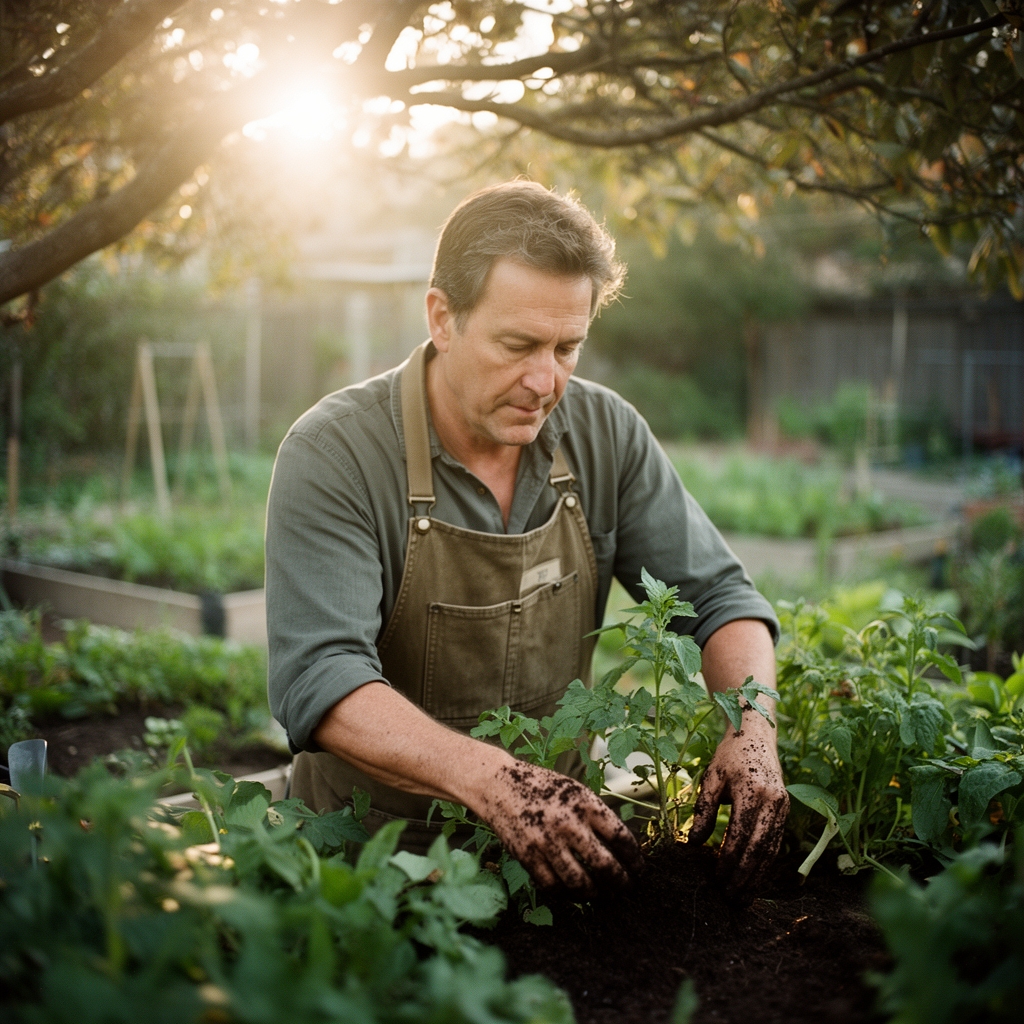
Sowing Phase
Direct-seed annual understory crops into prepared containers. Scatter arugula, mizuna, and mache at 20 seeds per square foot across the substrate surface. Cover with 1/4 inch of fine compost. Maintain substrate moisture at 60-70% field capacity using a moisture meter.
Pro-Tip: Dust seeds with mycorrhizal inoculant powder before sowing. Use 1/8 teaspoon per 100 seeds. This early contact initiates symbiotic relationships at germination.
Transplanting Phase
Transfer woody perennials and started brassicas when they develop three true leaves. Dig planting holes 1.5 times the root ball diameter. Sprinkle 1 teaspoon of mycorrhizal inoculant directly on exposed roots before backfilling. Position the crown level with the substrate surface to prevent stem rot.
Space plants according to mature canopy spread. Allocate 18 inches for dwarf tree kale, 12 inches for perpetual spinach, and 6 inches for low-growing herbs. Arrange tall species on the north side of containers to prevent shading.
Pro-Tip: Prune transplants at a 45-degree angle just above the third node. This cut stimulates lateral branching by redistributing auxin and promoting bushier growth habits suited to container culture.
Establishing Phase
Water transplants with diluted fish hydrolysate (1 tablespoon per gallon) immediately after planting. This nitrogen boost compensates for transplant shock. Apply 2 inches of hardwood chip mulch around plants, keeping material 2 inches away from stems.
Monitor for wilting during the first 10 days. Roots require 14-21 days to penetrate surrounding substrate and access moisture reserves. Shade containers receiving more than 8 hours of direct sun using 30% shade cloth draped on the west side.
Pro-Tip: Inoculate the rhizosphere with compost tea containing diverse bacterial populations. Brew 2 cups of finished compost in 5 gallons of dechlorinated water for 24 hours with continuous aeration. Apply 1 pint per container.
Troubleshooting
Symptom: Interveinal chlorosis on new growth with leaf margins remaining green.
Solution: Iron deficiency caused by high substrate pH. Drench with chelated iron (Fe-EDDHA) at 1 teaspoon per gallon. Retest pH and adjust to 6.0-6.5 using elemental sulfur at 1 tablespoon per cubic foot.
Symptom: Purple undersides on leaves with stunted growth.
Solution: Phosphorus lockout occurs when temperatures drop below 50°F. Move containers to warmer microclimates or apply liquid phosphorus (0-10-0) as a foliar spray at 1 tablespoon per gallon.
Symptom: Irregular holes in leaves with slime trails visible at dawn.
Solution: Slug pressure increases in dense plantings. Apply iron phosphate bait at 1 teaspoon per container perimeter. Install copper tape around pot rims as a physical barrier.
Symptom: White powdery coating on upper leaf surfaces during humid periods.
Solution: Powdery mildew thrives in poor air circulation. Increase container spacing to 18 inches. Spray with 1 tablespoon baking soda plus 1 teaspoon horticultural oil per gallon of water weekly.
Symptom: Wilting despite adequate moisture with brown, mushy roots.
Solution: Root rot from Pythium or Phytophthora pathogens. Remove affected plants. Drench remaining containers with biological fungicide containing Trichoderma harzianum at label rates.
Maintenance
Water containers when the top 2 inches of substrate feel dry to touch. This typically requires 1 inch of water (0.6 gallons for a 15-gallon pot) every 2-3 days during active growth. Reduce frequency to weekly during dormancy.
Fertilize every 14 days during the growing season with fish hydrolysate at 2 tablespoons per gallon. Alternate with kelp extract (0-0-2) to provide trace minerals and cytokinins that promote cell division. Cease fertilization 6 weeks before first frost.
Refresh mulch layers quarterly. Hardwood chips decompose at approximately 25% of their volume per year. Maintain a 2-inch depth to suppress weeds and regulate soil temperature fluctuations.
Prune woody perennials to maintain 30% canopy openness. This allows light penetration to understory crops. Remove no more than 1/3 of total foliage in a single session to avoid shocking the plant's carbohydrate reserves.
Rotate containers 90 degrees every 2 weeks to ensure even light exposure. Plants exhibit phototropism, bending toward light sources. Rotation produces symmetrical growth and prevents root circling on one side.
FAQ
When should I start preparing containers for a vegetable forest?
Begin substrate mixing 3-4 weeks before your last spring frost date. This allows biological processes to activate and pH to stabilize before planting.
What container size works best for perennial vegetables?
Use 15-gallon fabric pots for large brassicas like tree kale. Seven-gallon containers suit smaller perennials such as sorrel or perennial scallions.
How often do I need to replace substrate?
Refresh 30% of substrate annually by removing the top 4 inches and replacing it with fresh compost and organic fertilizer. Complete replacement occurs every 3-4 years.
Can I use standard potting mix instead of custom blends?
Commercial potting mix lacks the fungal diversity and mineral complexity required for forest-style polycultures. Custom blends with biochar and mycorrhizae improve long-term productivity.
What crops work well in container vegetable forests?
Combine perennial kales, chard, walking onions, and sorrel as canopy layers. Underplant with annual greens like lettuce, arugula, and cilantro for continuous harvests across seasons.