7 Steps to Prepare a DIY Natural Material Plant Stake
Learning how to prepare a DIY plant support stake transforms scrap materials into functional infrastructure that outlasts commercial options. The scent of fresh-cut bamboo or the rough texture of weathered hardwood branches signals the start of a project that costs nothing yet anchors heavy tomatoes, sprawling peas, and top-heavy dahlias through storm and harvest. Natural stakes integrate into soil ecosystems without leaching polymer compounds, and their eventual decomposition feeds mycorrhizal fungi networks.
Materials
Select hardwoods over softwoods for longevity. Black locust, oak, and cedar resist decay for 3-5 seasons in soil with pH 6.0-7.0. Bamboo culms aged 3+ years provide maximum tensile strength. Avoid treated lumber; copper arsenate compounds alter soil cation exchange capacity and inhibit beneficial Trichoderma species.
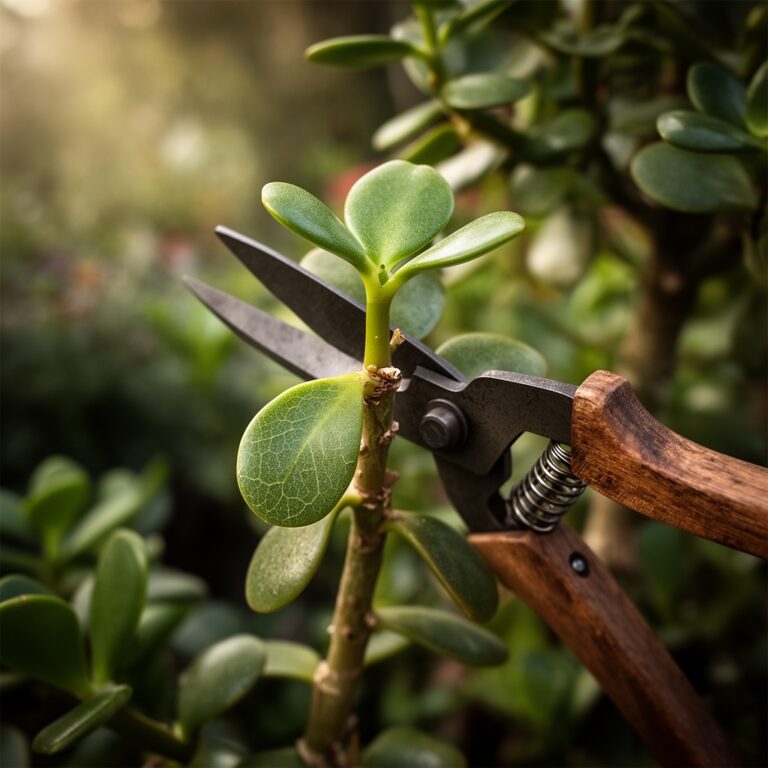
Gather branches 0.75-2 inches in diameter and 4-8 feet long depending on crop height. Prune shoots flush to prevent fabric snags. For binding materials, use jute twine (carbon:nitrogen ratio 80:1) or cotton strips salvaged from worn bedding. Both decompose within one season and add trace organic matter equivalent to 0.5-0.5-0.5 NPK per 100 linear feet.
Optional amendments include linseed oil for wood preservation. A single coat penetrates 1/8 inch deep and extends stake life by 18-24 months without soil toxicity. Apply 30 days before soil contact to allow oxidative polymerization.
Timing
Prepare stakes during dormant periods. In Zones 3-5, process materials November through February when sap content drops below 20%. Southern gardeners in Zones 8-10 can work year-round but should avoid June-August when high humidity accelerates fungal colonization on fresh-cut wood.
Install stakes 2-3 weeks before transplanting. Soil temperatures of 50-60°F allow stakes to settle without disturbing emerging root systems. For spring crops, insertion coincides with last frost date minus 14 days. Fall plantings require staking by August 1 in northern zones, September 15 in the South.
Hardwood stakes cured for 6 months develop surface checking that increases soil friction. This prevents the 15-degree lean common in green wood by mid-season.
Phases

Selection and Cutting
Identify branches with minimal taper. A diameter variance exceeding 0.5 inches from base to tip creates uneven load distribution. Cut stakes 12-18 inches longer than mature plant height to account for 8-12 inch soil insertion depth.
Strip bark from softwoods only. Hardwood bark contains tannins that inhibit soilborne Pythium and Rhizoctonia. Remove side branches at 45-degree angles, slanting cuts away from the main stake body to shed water.
Pro-Tip: Score the bottom 6 inches with shallow vertical cuts. This micro-roughening increases surface area by 30% and prevents stakes from pulling out under 15-20 pound crop loads.
Curing and Treatment
Stand stakes vertically in a shaded, ventilated area for 4-8 weeks. Moisture content should drop to 12-15%, testable with an inexpensive pin-type meter. Rapid drying causes longitudinal splits that compromise strength.
Apply linseed oil if desired, using a 3-inch brush to work solution into end grain. Capillary action draws oil deepest at cut ends where decay initiates. One pint treats 25 stakes of 6-foot length.
Pro-Tip: Char stake bottoms over open flame for 60 seconds. This traditional Japanese technique (shou sugi ban) creates a carbon layer that repels termites and inhibits bacterial soft rot, extending soil life to 7+ years.
Installation
Drive stakes 8-12 inches deep depending on soil texture. Sandy loams require 10-12 inches; clay soils with high plasticity index need only 8 inches. Position stakes 3-4 inches from transplant sites to avoid root zone disruption.
Angle stakes 5-10 degrees away from prevailing winds. This pre-lean compensates for seasonal soil compaction and crop weight, maintaining vertical alignment through harvest.
Pro-Tip: Inoculate the planting hole with 1 tablespoon of mycorrhizal fungi granules. Hyphal networks colonize both roots and cellulose in wooden stakes, creating a unified support structure that improves nutrient uptake efficiency by 25-40%.
Troubleshooting
Symptom: Stakes lean within 3-4 weeks despite adequate insertion depth.
Solution: Soil compaction is insufficient. Water the base with 1 gallon per stake, then tamp soil firmly in 2-inch lifts. Clay content below 15% may require guy-wire stabilization.
Symptom: Premature wood decay with white mycelial growth at soil line.
Solution: Armillaria root rot. Remove affected stakes immediately. Drench surrounding soil with Trichoderma harzianum at 10^6 CFU/gram. Replace stakes only after 30-day fallow period.
Symptom: Plant ties constrict stems, causing auxin accumulation and swelling above binding point.
Solution: Re-tie using figure-eight loops that buffer stem expansion. Check weekly during peak vegetative growth when diameter increases 0.1-0.2 inches per week.
Symptom: Bamboo stakes split vertically after first frost.
Solution: Insufficient curing. Properly aged bamboo has silica content above 3% and withstands temperatures to 10°F. Harvest replacement culms in year three of growth when silica deposition peaks.
Maintenance
Inspect ties every 14 days from transplant through mid-season. Adjust or replace bindings before they indent stem epidermis. Cotton ties require replacement every 4-6 weeks as UV radiation degrades tensile strength by 50%.
Water at stake bases contributes to soil settling. Apply 0.5 inches weekly in addition to crop irrigation requirements during establishment month. This targeted watering creates a consolidated anchor zone.
Remove stakes after final harvest. Clean soil from bottom 12 inches using a stiff brush. Store horizontally off ground on 4×4 lumber rails. Proper storage extends reuse through 3-5 seasons before cellulose breakdown reduces structural integrity below safe thresholds.
Apply maintenance coat of linseed oil every 24 months. Sand lightly with 80-grit paper before application to open wood pores.
FAQ
How deep should stakes be driven for indeterminate tomatoes?
Minimum 12 inches in loam soils. Indeterminate varieties reach 8-12 feet with fruit loads exceeding 40 pounds. Calculate required depth at 15% of total stake length.
Can I use stakes from black walnut trees?
No. Juglone concentration in heartwood reaches 1.5% and persists through curing. This allelopathic compound inhibits solanaceous crops within 24-inch radius for 18+ months.
What diameter supports pole beans adequately?
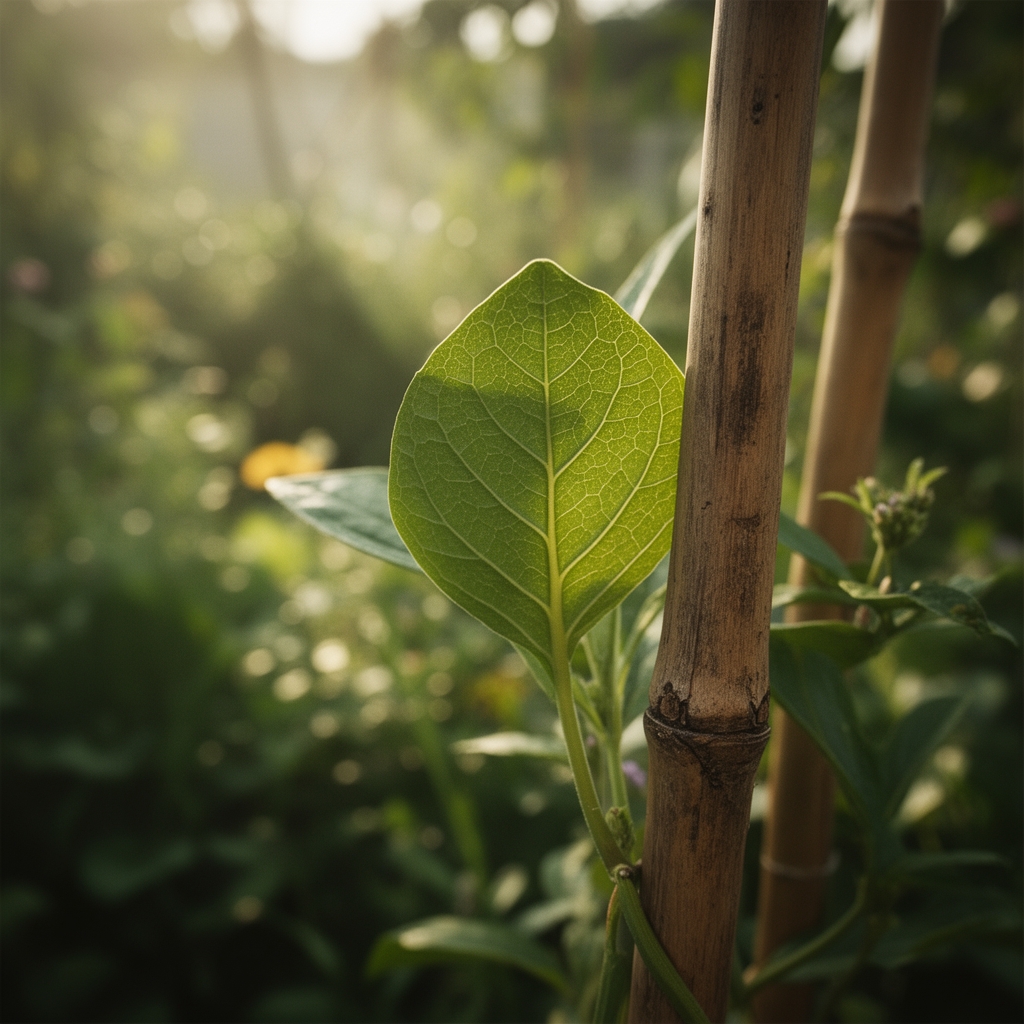
0.75-1.25 inches. Smaller diameters allow tendrils to spiral completely (270-360 degrees) within 48 hours of contact. Thicker stakes delay tendril attachment and increase wind damage risk.
When do bamboo stakes need replacement?
Surface checking exceeding 1/4 inch deep or longitudinal splits longer than 8 inches indicate structural failure. Compression testing should show resistance above 200 pounds-force at mid-span.
Should stakes be sanitized between seasons?
Yes, if previous crops showed bacterial or fungal disease. Soak for 10 minutes in 10% bleach solution (1 part bleach to 9 parts water), then air-dry for 72 hours before storage.