8 Balancing Steps on How to Prepare a Wildlife Vegetable Pond
Learning how to prepare a garden for a wildlife vegetable pond begins with soil excavation that reveals clay layers holding water while supporting emergent vegetation. The smell of fresh earth signals the start of a balanced ecosystem where amphibians shelter beneath broad-leafed aquatics and native pollinators visit flowering shoreline plants. This dual-purpose system merges food production with habitat creation, transforming conventional garden plots into biodiverse feeding zones. Each preparation step addresses both hydrological stability and nutrient cycling to ensure the pond sustains wildlife while yielding edible crops along its margins.
Materials
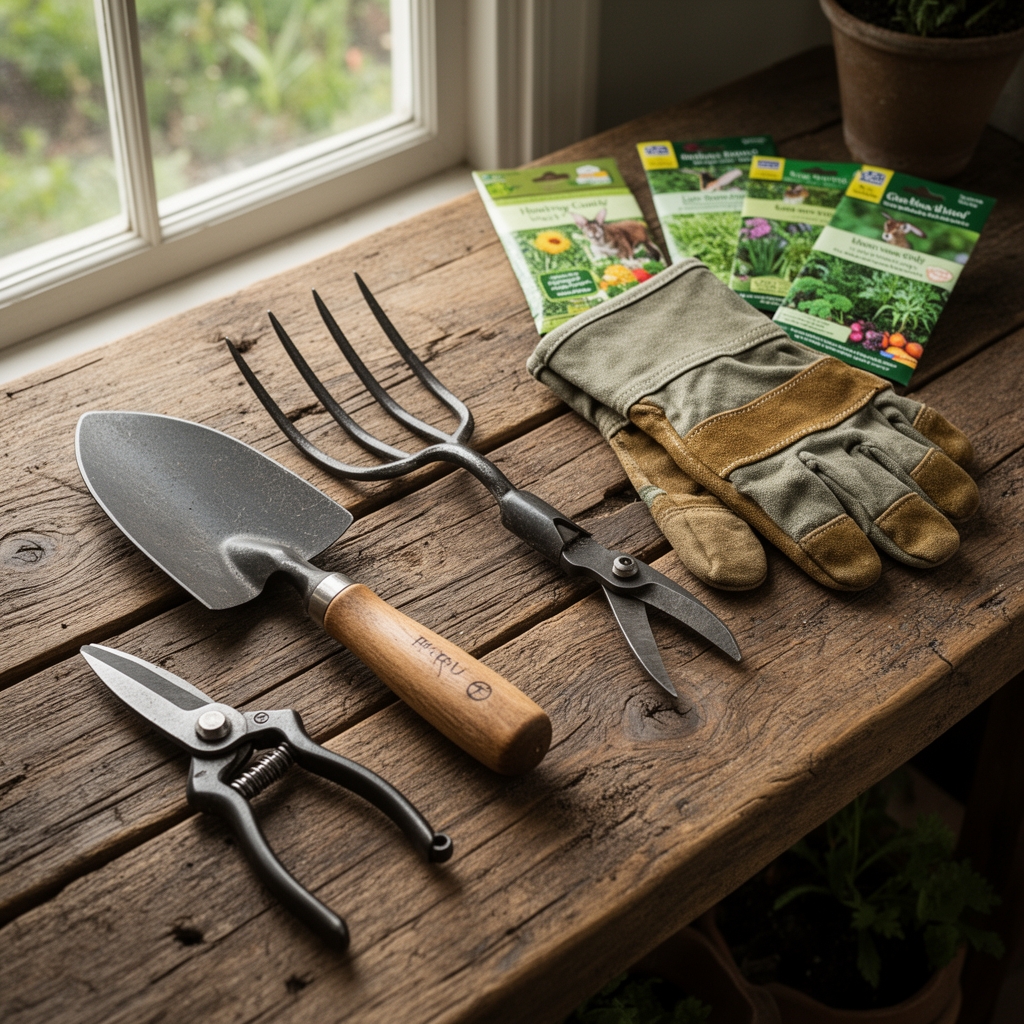
Select amendments based on baseline soil pH and texture. For pond margins with pH 6.0 to 7.0, apply organic all-purpose fertilizer at 4-4-4 NPK to support leafy greens and shallow-rooted vegetables. If native soil tests above 7.5, incorporate sulfur at 1 pound per 100 square feet to lower alkalinity before planting acid-preferring species like blueberries.
Bentonite clay seals permeable substrates. Spread a 4-inch layer across the pond basin and compact with a roller to reduce seepage. Mycorrhizal fungi inoculants boost nutrient uptake in marginal plantings; mix 2 ounces per cubic foot of planting soil to enhance phosphorus absorption.
Pond liner options include EPDM rubber (45-mil thickness) for irregular shapes or preformed rigid shells for smaller installations. Border the liner with native stone or untreated logs to create microhabitats for salamanders and ground beetles. Aquatic compost formulated at 2-3-2 NPK feeds submerged and floating plants without triggering algae blooms.
Timing
Hardiness zones dictate excavation and planting windows. In zones 5 through 7, break ground in early April when soil temperature reaches 50 degrees Fahrenheit at 6-inch depth. This timing allows liner installation before spring rains fill the basin naturally.
Plant marginal vegetables after the last frost date. Zone 6 gardeners begin transplanting around May 10, while zone 8 growers start in late March. Submerged oxygenators like hornwort establish faster when water temperature stabilizes above 55 degrees.
Autumn preparation suits zones 8 and warmer. Excavate between September and October to leverage winter rainfall for natural pond filling. Plant cold-hardy watercress and duckweed in November for spring harvest.
Phases
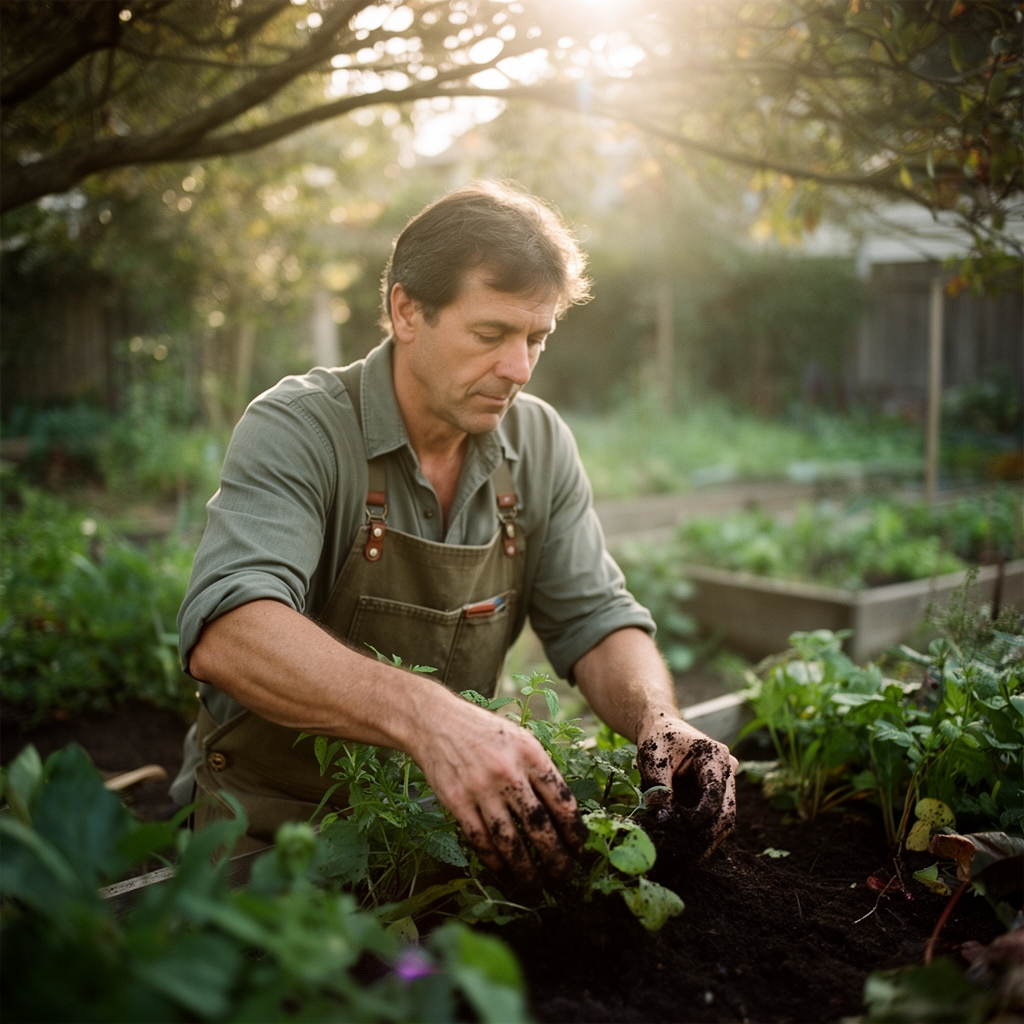
Sowing: Mark the pond perimeter with stakes and landscape paint. Excavate to a minimum depth of 24 inches in the center, creating shelves at 6-inch and 12-inch depths for varied plant zones. Slope edges at 20-degree angles to prevent liner slippage and provide amphibian access. Remove rocks larger than 2 inches to avoid punctures.
Pro-Tip: Dust excavated soil over the compacted bentonite layer to encourage beneficial bacteria colonization before liner installation.
Transplanting: Position the liner with 12 inches of overlap beyond the pond edge. Anchor margins with sod staples every 18 inches. Fill the pond slowly using a garden hose to allow the liner to settle into contours. Place aquatic baskets filled with loam and aquatic compost at designated shelf depths.
Transplant watercress seedlings into baskets submerged 3 inches below the surface. Set water celery crowns at the 6-inch shelf. Install floating planters with lettuce or spinach along the southern edge for easy harvest. Introduce duckweed by scattering 1 cup per 25 square feet of surface area.
Pro-Tip: Trim transplant roots at a 45-degree angle to stimulate lateral root growth and improve anchorage in aquatic substrates.
Establishing: Introduce one barley straw bale per 50 square feet of surface to suppress algae through natural phenolic release. Stock with native mosquito-eating fish like fathead minnows at a density of 5 per 100 gallons. Install a submersible pump rated at 200 gallons per hour for every 500 gallons of pond volume to maintain oxygenation.
Mulch surrounding vegetable beds with 3 inches of shredded hardwood to retain moisture and moderate soil temperature. Plant nitrogen-fixing clover in pathways to enhance cation exchange capacity in adjacent beds.
Pro-Tip: Inoculate pond margins with endomycorrhizae at first watering to accelerate auxin distribution in root systems.
Troubleshooting
Symptom: Green water within two weeks of filling.
Solution: Reduce direct sunlight exposure to below 6 hours daily using shade cloth rated at 50 percent. Add submerged plants at a ratio of one bunch per 2 square feet to outcompete algae for nutrients.
Symptom: Yellowing leaves on marginal vegetables with brown tips.
Solution: Test for chlorine in municipal water. Dechlorinate by aerating fill water for 24 hours or adding sodium thiosulfate at 1 teaspoon per 50 gallons.
Symptom: Liner buckling and shifting after filling.
Solution: Drain 30 percent of water volume. Re-anchor liner edges with additional landscape staples placed 12 inches apart. Backfill perimeter with compacted subsoil.
Symptom: Aphid colonies on watercress stems.
Solution: Introduce native ladybugs at 1,500 adults per 500 square feet. Spray foliage with neem oil emulsion at 2 tablespoons per gallon weekly until infestation clears.
Maintenance
Refill the pond to maintain depth when evaporation exceeds 1 inch per week. Top-dress marginal plantings with 4-4-4 organic fertilizer at 2 tablespoons per plant every six weeks during the growing season. Thin duckweed when coverage exceeds 40 percent of the surface to preserve gas exchange.
Prune senescent foliage from aquatic vegetables at the waterline to prevent decomposition that depletes dissolved oxygen. Replace barley straw bales every four months. Test water pH monthly, adjusting with agricultural lime if readings drop below 6.5.
FAQ
How deep should a wildlife vegetable pond be?
A minimum depth of 24 inches prevents full freezing in zones 5 through 7 while accommodating root zones of edible aquatics.
Can I grow tomatoes near the pond edge?
Yes. Plant determinate varieties 18 inches from the waterline where root systems access consistent moisture without waterlogging.
What fertilizer ratio suits aquatic vegetables?
Use 2-3-2 NPK formulations to minimize nitrogen runoff while supporting leafy growth in water-based systems.
How do I prevent mosquito larvae naturally?
Stock fathead minnows at 5 fish per 100 gallons or introduce Bacillus thuringiensis israelensis granules at label rates.
When should I harvest pond-grown watercress?
Cut stems 4 inches above the crown 45 days after transplanting, leaving two sets of leaves to regenerate growth.