8 Steps to Prepare for a Vertical Trellis Installation
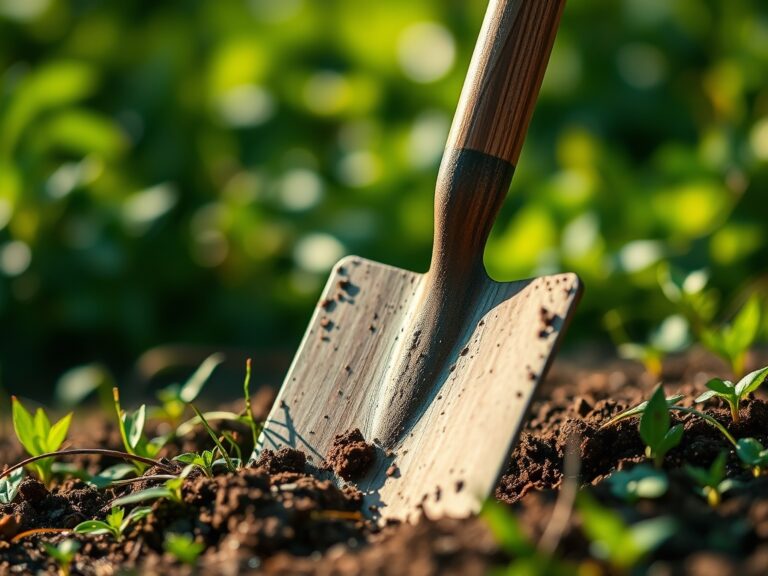
The smell of damp earth is the scent of microbial activity breaking down organic matter into bioavailable nutrients. When you crush a handful of soil, it should crumble with the consistency of dark chocolate cake, indicating a friable loam with high pore space for oxygen exchange. Understanding how to prepare a garden for a trellis requires more than just driving stakes into the ground; it demands an engineering mindset focused on plant turgor and structural load. You are building a vertical scaffold that must support the hydrostatic pressure of heavy vines while maintaining a healthy rhizosphere.
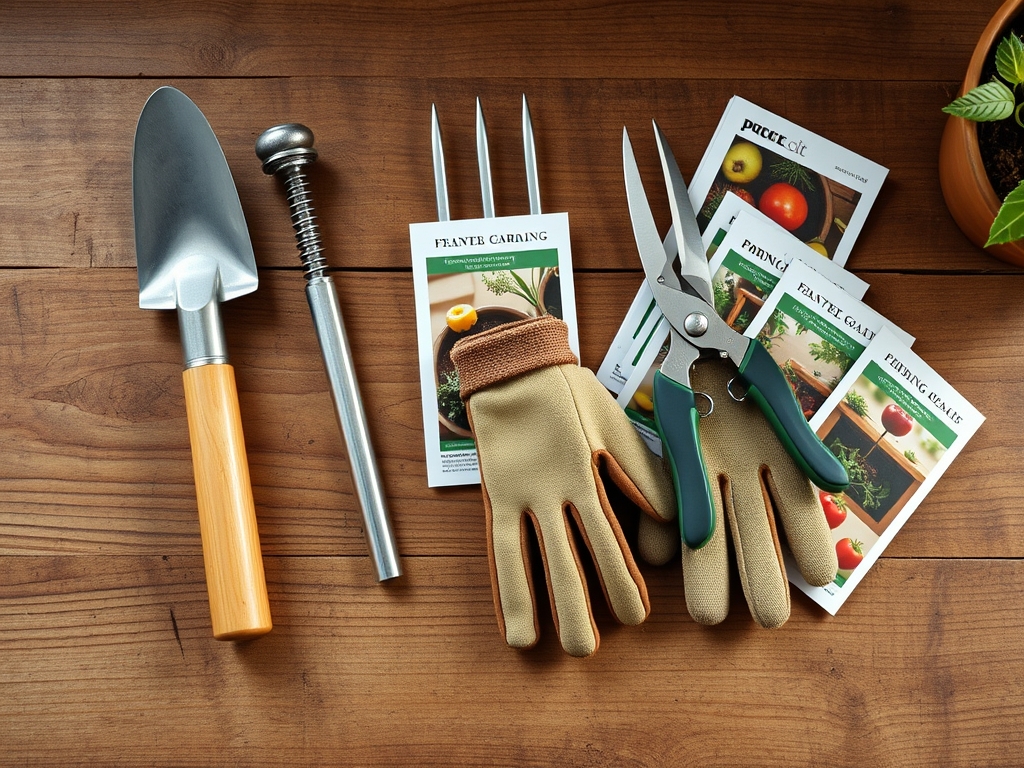
Materials:
Before the first post is set, you must calibrate the substrate chemistry. The ideal soil for vertical climbers is a **friable loam** with a Cation Exchange Capacity (CEC) above **15 milliequivalents per 100 grams**. This ensures the soil can hold onto essential cations like calcium and magnesium. Aim for a **pH level between 6.2 and 6.8** to maximize nutrient availability.
For the initial soil amendment, incorporate a balanced NPK ratio of 10-10-10 for general climbers, or a high-phosphorus 5-10-5 blend if you are cultivating flowering legumes or fruiting vines. The physical texture must allow for rapid drainage; heavy clay will lead to anaerobic conditions and root rot. Incorporate 20 percent well-aged compost by volume to increase the water-holding capacity without sacrificing aeration.
Timing:
The window for trellis preparation is dictated by your USDA Hardiness Zone and the specific photoperiod requirements of your crop. In Zones 5 through 7, structural installation should occur in late winter or early spring, at least three weeks before the last frost date. This prevents soil compaction that occurs when treading on wet, thawing ground.
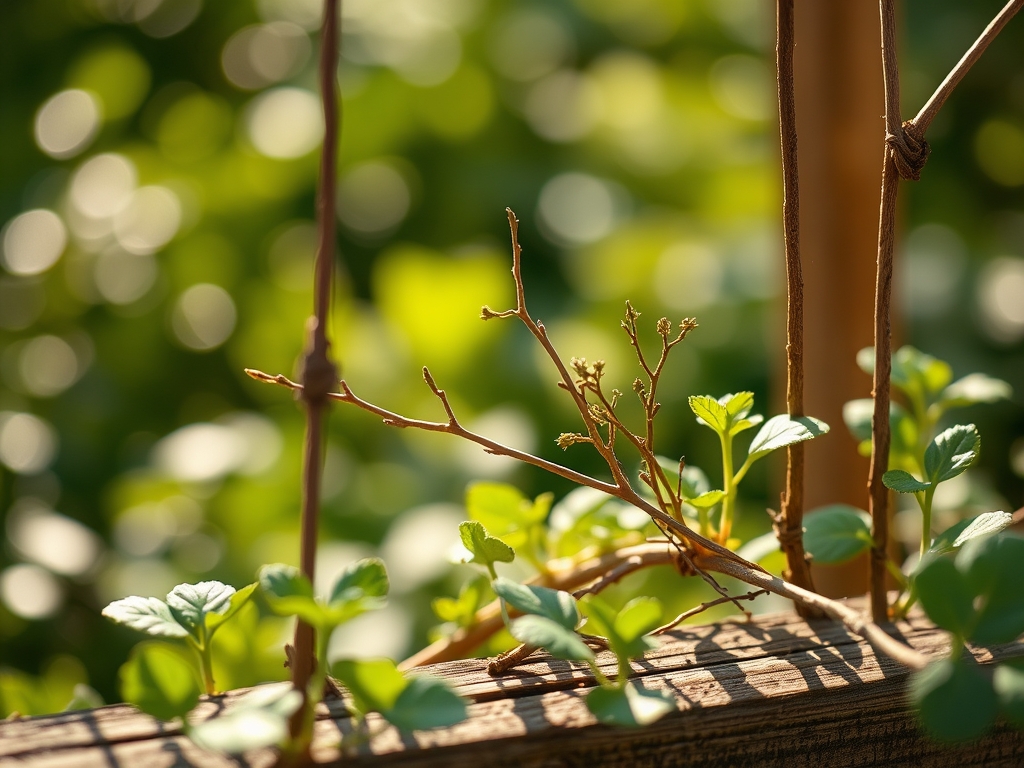
The biological clock of the plant is the primary driver. You must have the trellis in place before the plant transitions from the juvenile vegetative stage to the rapid elongation phase. Once the plant senses gravity through gravitropism, it will begin seeking a vertical surface. If the trellis is absent during this critical window, the plant may sprawl, leading to increased humidity at the leaf surface and a higher risk of fungal pathogens.
Phases:
Sowing and Site Prep
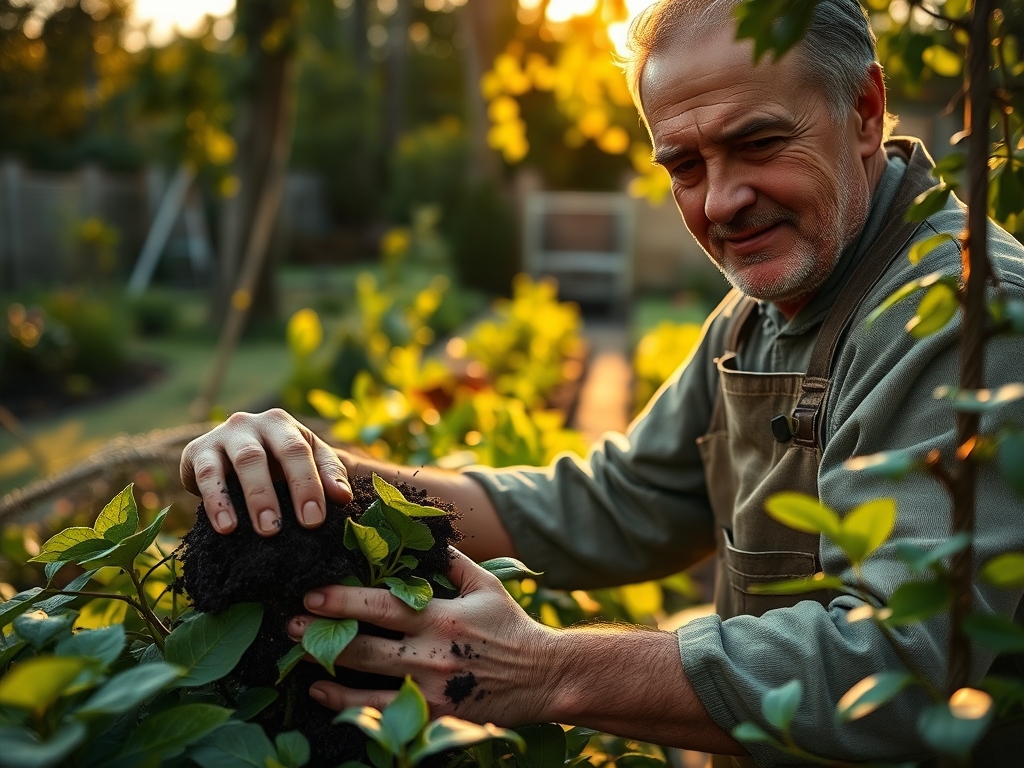
Clear all weeds within a 24-inch radius of the trellis base. This eliminates competition for nitrogen and water in the top 6 inches of soil. Dig a trench or individual holes that are twice the width of the root ball to encourage lateral root expansion.
Pro-Tip: Inoculate the soil with mycorrhizal fungi during sowing. The biological why: These fungi form a symbiotic relationship with the roots, effectively extending the root system's reach and increasing phosphorus uptake by up to 300 percent.
Transplanting
When moving seedlings to the trellis base, ensure the soil temperature has reached a consistent 60 degrees Fahrenheit. Handle the plants by the root ball to avoid damaging the stem, which maintains the integrity of the xylem and phloem vessels responsible for nutrient transport.
Pro-Tip: Angle the transplant at a 45-degree slope toward the trellis. The biological why: This utilizes phototropism, where the plant naturally grows toward light and the nearest physical support, reducing the need for manual tying.
Establishing and Training
As the plant grows, use soft garden twine to secure the main lead to the trellis. Do not tie tightly; leave a 1-inch loop to allow for secondary thickening of the stem. Monitor the nodes for the emergence of tendrils or adventitious roots.
Pro-Tip: Pinch off the first few flower buds to redirect energy into root development. The biological why: This suppresses auxin production at the apical meristem, encouraging the plant to establish a robust root system before it enters the energy-intensive reproductive stage.
The Clinic:
Physiological disorders often manifest when the vertical environment is not properly managed.
- Nitrogen Chlorosis: Observe the older, lower leaves. If they turn a uniform pale yellow while the veins remain green, the plant is likely suffering from a nitrogen deficiency. Fix-It: Apply a water-soluble fertilizer with a high N-value (20-10-10) to the root zone for immediate uptake.
- Blossom End Rot: This appears as a dark, leathery patch on the bottom of fruit. It is caused by a localized calcium deficiency, often triggered by inconsistent moisture. Fix-It: Maintain a consistent watering schedule and ensure the soil pH is above 6.0 to allow for calcium solubility.
- Leaf Scorch: If leaf margins appear brown and crispy, the plant is losing water faster than the roots can provide it. This is a failure of turgor pressure. Fix-It: Increase irrigation frequency and apply a 3-inch layer of organic mulch to cool the rhizosphere.
Maintenance:
Vertical gardens require precision irrigation. Use a soil moisture meter to ensure the root zone stays between 60 and 80 percent field capacity. Typically, this requires 1.5 inches of water per week delivered directly at the drip line. Avoid overhead watering, as wet foliage promotes the germination of fungal spores.
Keep a hori-hori knife for weeding near the base and a pair of sharp bypass pruners for thinning. Pruning is essential for airflow; remove any crossing or crowded branches to keep the interior of the vine open. Sterilize your tools with 70 percent isopropyl alcohol between plants to prevent the spread of systemic pathogens.
The Yield:
For edible crops, harvest when the fruit reaches its peak color and the stem begins to show signs of abscission, which is the natural shedding of the fruit. Use pruners to cut the stem rather than pulling, which can damage the trellis-bound vine.
To maintain "day-one" freshness, harvest in the early morning when the plant is at maximum turgidity. Immediately submerge the cut ends in cool water or move the harvest to a temperature-controlled environment of 45 to 55 degrees Fahrenheit to slow the rate of respiration and senescence.
FAQ:
What is the best soil pH for a trellis garden?
Most climbing plants thrive in a pH range of 6.2 to 6.8. This range ensures that essential micronutrients like iron and manganese remain soluble and available for root uptake via the rhizosphere.
How deep should I set my trellis posts?
Posts should be set at least 24 inches deep to resist the leverage of wind and the weight of a mature canopy. For heavy perennial vines, use concrete footings to ensure structural stability against high hydrostatic pressure.
When is the best time to install a trellis?
Install the structure in late winter or early spring before the ground thaws completely. This timing prevents soil compaction and ensures the scaffold is ready before the plant enters its rapid vegetative growth phase.
How do I fix yellowing leaves on my climbing plants?
Yellowing on lower leaves usually indicates nitrogen chlorosis. Check the soil pH first; if the pH is correct, apply a nitrogen-rich amendment to restore chlorophyll production and improve the plant's overall photosynthetic capacity.**