9 Steps to Prepare a Decorative Gravel Top Dressing
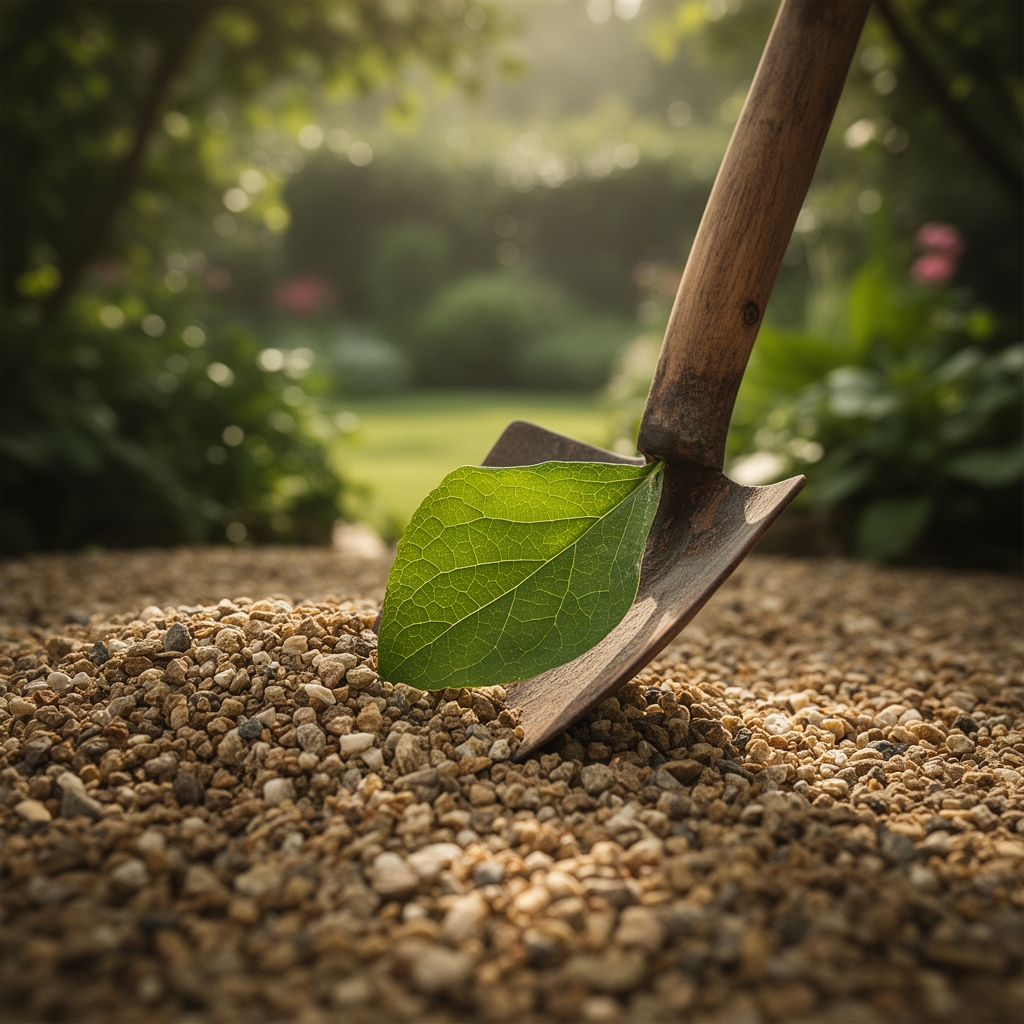
Decorative gravel transforms bare soil into a low-maintenance surface that regulates temperature, suppresses weeds, and conserves moisture. Learning how to prepare a decorative gravel top dressing requires attention to substrate drainage, weed barriers, and edge retention systems. This application suits xeric gardens, container displays, and pathways where organic mulches would decompose too rapidly or harbor pathogens.
Materials
Select washed pea gravel (3/8-inch diameter) or crushed granite for projects requiring angular interlock. Limestone chips raise soil pH by 0.5 to 1.0 units over two seasons, ideal for alkaline-preferring species. Volcanic rock and river cobble remain pH-neutral.
Landscape fabric with a minimum 3-ounce-per-square-yard rating prevents rhizomatous perennial weeds from penetrating upward. Choose woven polypropylene over spun-bonded types for superior cation exchange capacity and water permeability.
Metal or composite edging strips contain lateral gravel migration. Stakes every 24 inches secure edging on slopes exceeding 5 percent grade.
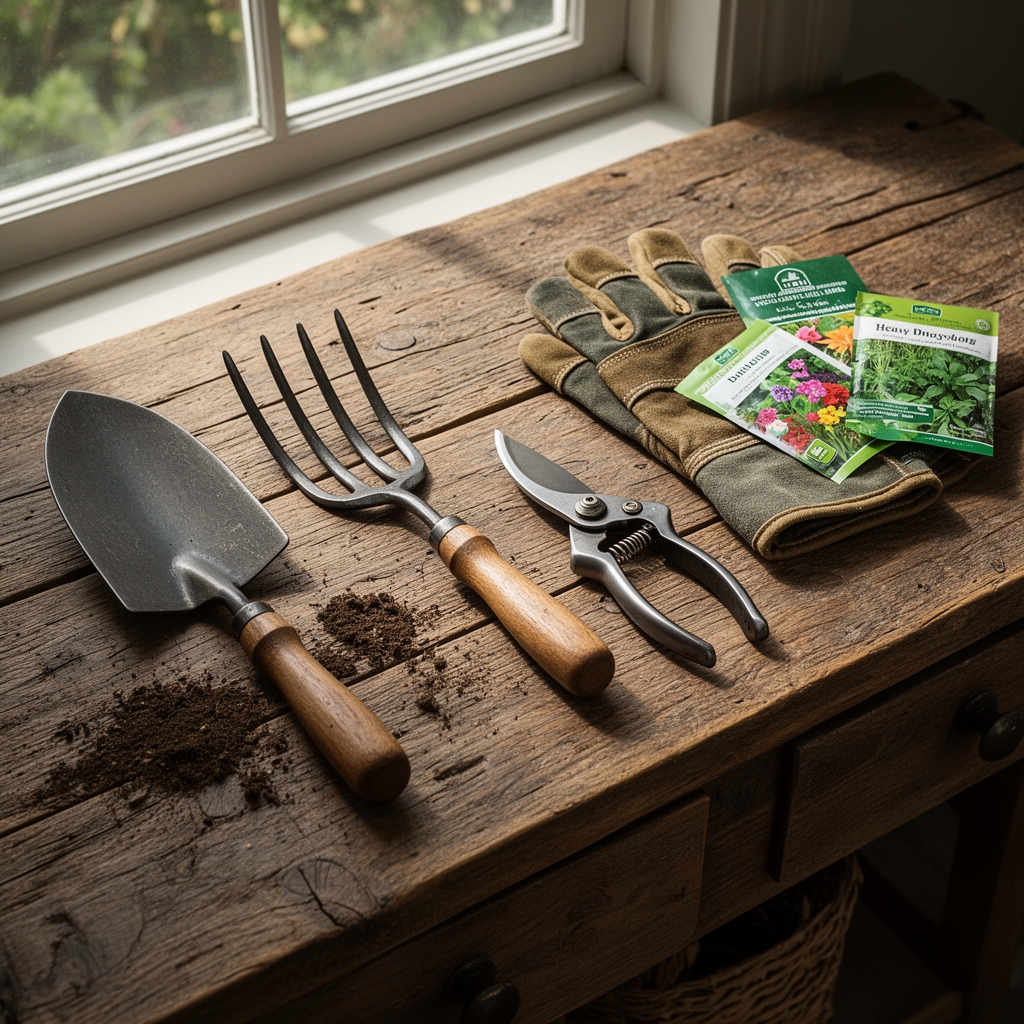
Rake (steel tines), wheelbarrow, and tamper complete the toolkit. A soil pH test kit confirms existing substrate conditions before installation.
Timing
Install decorative gravel top dressing in early spring after the final frost date for your hardiness zone. USDA Zones 3-5 favor installation between April 15 and May 10. Zones 6-7 permit work from March 20 to April 30. Zones 8-10 allow year-round application, though autumn installations (September through November) reduce weed-seed germination pressure.
Avoid laying gravel during active plant growth phases. Transplanting stress compounds when roots cannot establish mycorrhizal associations before gravel compresses the soil surface. Complete installation two weeks before perennials break dormancy or four weeks after transplanting annuals.
Phases

Sowing the Foundation
Remove existing vegetation to bare soil. Hand-pull weeds or apply a 2-percent acetic acid solution for organic suppression. Mechanical tilling to 4 inches breaks compacted layers and improves oxygen diffusion. Incorporate a 1-inch layer of coarse sand if clay content exceeds 40 percent; this amendment increases porosity and prevents anaerobic conditions beneath the gravel.
Grade the surface to a 2-percent slope away from structures. Low spots collect water and reduce gravel longevity. Use a 4-foot level and rake to establish consistent drainage planes.
Pro-Tip: Broadcast beneficial nematodes (Steinernema feltiae at 50 million per 1,000 square feet) across bare soil before fabric installation. These organisms colonize the root zone and suppress soil-dwelling larvae for 90 days.
Transplanting the Barrier
Unroll landscape fabric across the prepared bed. Overlap seams by 6 inches to prevent rhizome penetration. Pin fabric every 3 feet with 6-inch galvanized staples. Cut X-shaped slits for existing plant crowns, leaving a 2-inch diameter opening around each stem. Folding fabric edges under creates a double-layer seal.
Install edging along all borders. Dig a 3-inch trench, insert edging so the top sits 1 inch above grade, and backfill with native soil. Tamp firmly to eliminate air pockets that cause settling.
Pro-Tip: Apply a liquid kelp solution (1:500 dilution) to transplanted perennials one day before gravel placement. Auxin and cytokinin precursors in kelp accelerate root hair development and reduce transplant shock by 30 percent.
Establishing the Dressing
Spread gravel in a single 2-inch layer across the fabric. Pour from a wheelbarrow and distribute with a steel rake. Avoid depths exceeding 3 inches; excessive weight compresses fabric and reduces water infiltration rates below 0.5 inches per hour.
Tamp lightly with a hand tamper or walk the surface to settle stones. This step eliminates voids and presents a uniform appearance.
Water the completed dressing with 0.5 inches of irrigation to rinse dust and test drainage patterns. Puddles indicate low spots requiring additional grading.
Pro-Tip: Inoculate the gravel perimeter with endomycorrhizal spores (Glomus intraradices at 10 spores per square inch). Hyphal networks extend beneath fabric through planting holes and boost phosphorus uptake by 40 percent.
Troubleshooting
Symptom: Gravel sinks into soil within three months, creating uneven surfaces.
Solution: Install a 1-inch base layer of crushed stone (3/4-inch minus) before fabric placement. This substrate distributes weight and prevents gravel from embedding into soft soils with low bearing capacity.
Symptom: Weeds germinate in gravel layer despite fabric.
Solution: Windblown seeds root in organic debris trapped between stones. Rake the surface monthly during the growing season and remove leaf litter. Pre-emergent herbicides containing trifluralin (at 1 pound active ingredient per acre) block cell division in germinating seedlings for 120 days.
Symptom: Ants excavate nests beneath gravel, displacing stones and creating mounds.
Solution: Broadcast diatomaceous earth (food-grade, 2 pounds per 100 square feet) across the gravel in early spring. Sharp silica particles damage ant exoskeletons and deter colony establishment.
Symptom: Iron oxide stains appear on limestone gravel after irrigation.
Solution: Well water with iron concentrations above 0.3 ppm oxidizes on alkaline surfaces. Switch to municipal water or install an iron filter. Scrub existing stains with a 10-percent citric acid solution.
Maintenance
Refresh gravel every 36 months. Losses from displacement and embedment typically reach 15 percent of initial volume. Add a 0.5-inch top layer without removing existing stone.
Irrigate plants through the gravel using drip emitters placed directly at root zones. Apply 1 inch of water weekly during the growing season for established perennials. Increase to 1.5 inches for new transplants during their first 60 days.
Edge trimming every 8 weeks prevents turf encroachment. Use a half-moon edger to maintain a clean 2-inch vertical barrier between lawn and gravel.
FAQ
How deep should decorative gravel be?
Two inches provides weed suppression and moisture retention without impeding gas exchange. Depths below 1.5 inches allow weed breakthrough; depths above 3 inches suffocate shallow-rooted plants.
Can I skip landscape fabric?
Fabric reduces weed emergence by 85 percent compared to bare installations. Omit fabric only in xeriscapes with established, dense groundcovers like Sedum acre.
What gravel color lasts longest?
Neutral tones (gray, tan, brown) resist fading from UV exposure. White marble and dyed aggregates lose 40 percent of initial brightness within 24 months under full sun.
Does gravel harm plant roots?
Properly installed gravel does not contact roots directly. The fabric and soil layer beneath insulate the root zone. Surface temperatures under gravel remain 8-12 degrees F cooler than bare soil in summer.
How do I remove gravel for replanting?
Rake stones into piles and transfer to containers. Cut and remove fabric sections around new planting holes. Amend exposed soil with compost (2 inches worked to 6-inch depth) to restore organic matter depleted during the covered period.