9 Vital Steps to Plant Blueberry bushes
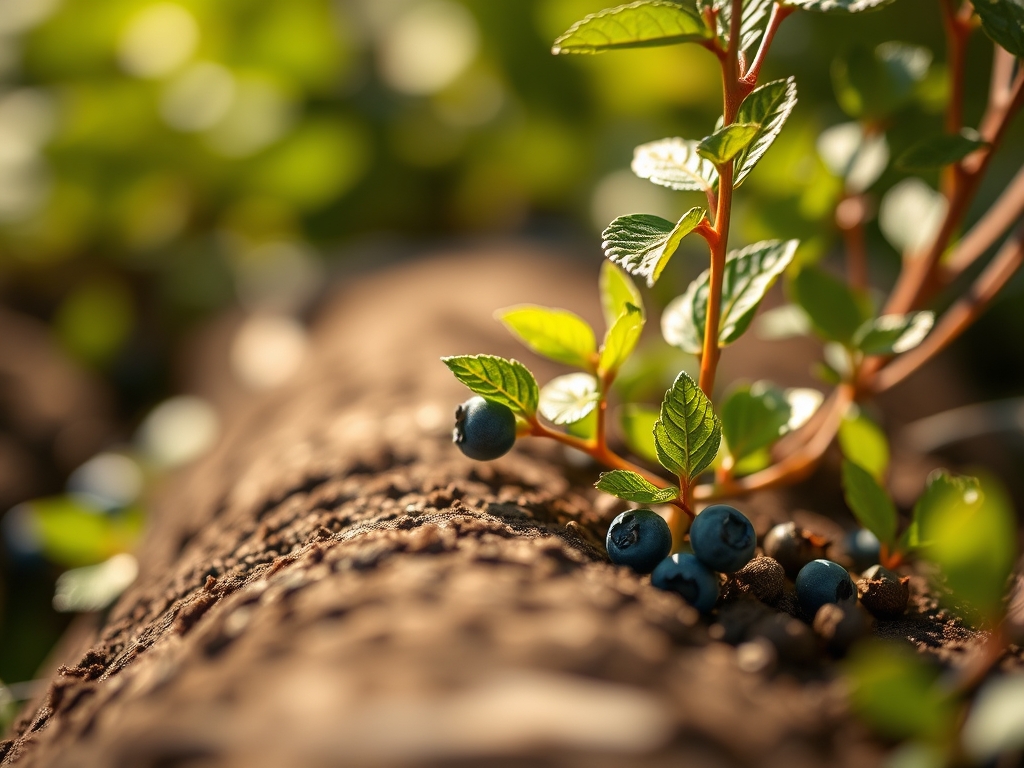
The scent of damp, acidic peat moss mixed with the metallic tang of a sharp spade signals the beginning of a successful berry patch. To achieve the high turgor pressure required for firm, snap-skinned fruit, you must master the technical steps to plant blueberry bushes with surgical precision. Success in the Vaccinium genus is not found in luck; it is found in the manipulation of soil chemistry and the management of the rhizosphere.
Materials:
Blueberries are calcifuges, meaning they cannot tolerate alkaline conditions. You must secure a growing medium with a **pH between 4.5 and 5.2**. The substrate must be a friable loam, characterized by a gritty texture that allows for rapid drainage while maintaining high organic matter content.
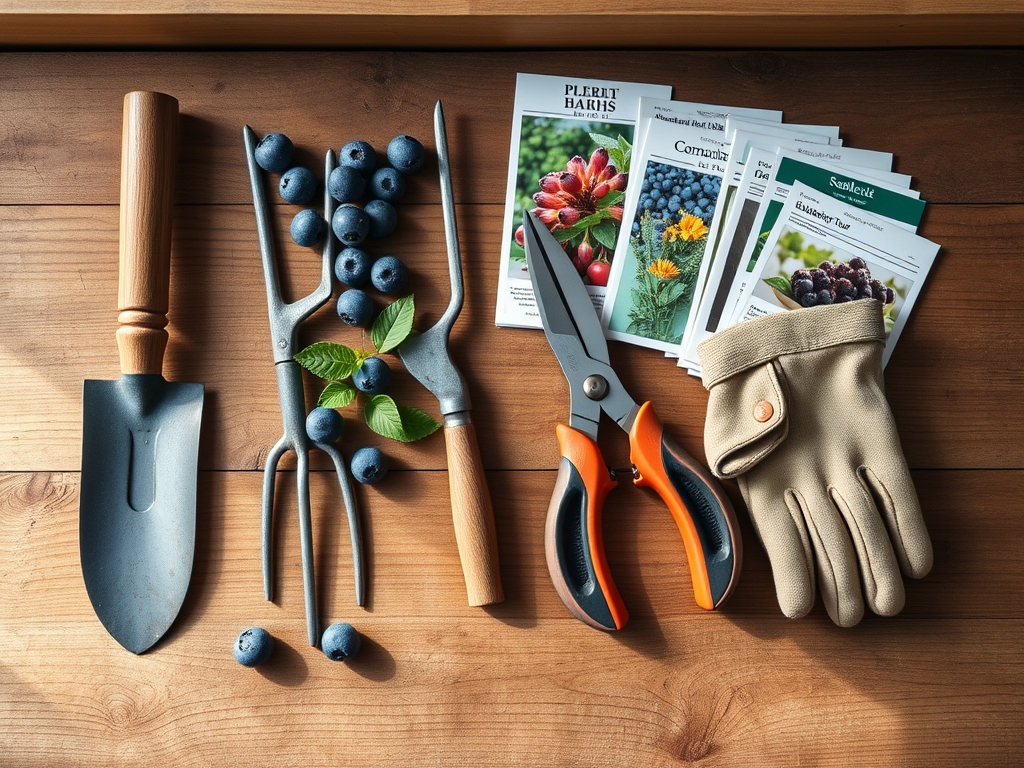
Gather the following inputs:
- Elemental Sulfur: To lower pH if your baseline exceeds 5.5.
- Peat Moss or Pine Bark: To increase the Cation Exchange Capacity (CEC) and provide the necessary acidity.
- NPK 10-10-10 or 12-4-8: Use ammonium sulfate as the nitrogen source, as blueberries cannot metabolize nitrates efficiently.
- Pine Straw or Wood Chips: For a 3 inch mulch layer to regulate soil temperature.
- Soil Moisture Meter: To ensure the root zone stays within the 60 to 80 percent saturation range.
Timing:
The biological clock of the blueberry bush is dictated by chilling hours, which are the cumulative hours between 32 and 45 degrees Fahrenheit. Most Northern Highbush varieties require 800 to 1,000 chilling hours to break endodormancy and transition from vegetative to reproductive stages.
In Hardiness Zones 4 through 7, the ideal planting window is early spring, immediately after the ground thaws but before the buds reach the "green tip" stage. In Zones 8 through 10, late autumn planting is preferred. This allows the root system to establish during the winter months when the plant is in senescence, reducing transplant shock and preparing the vascular system for the heavy transpiration demands of summer.
Phases:
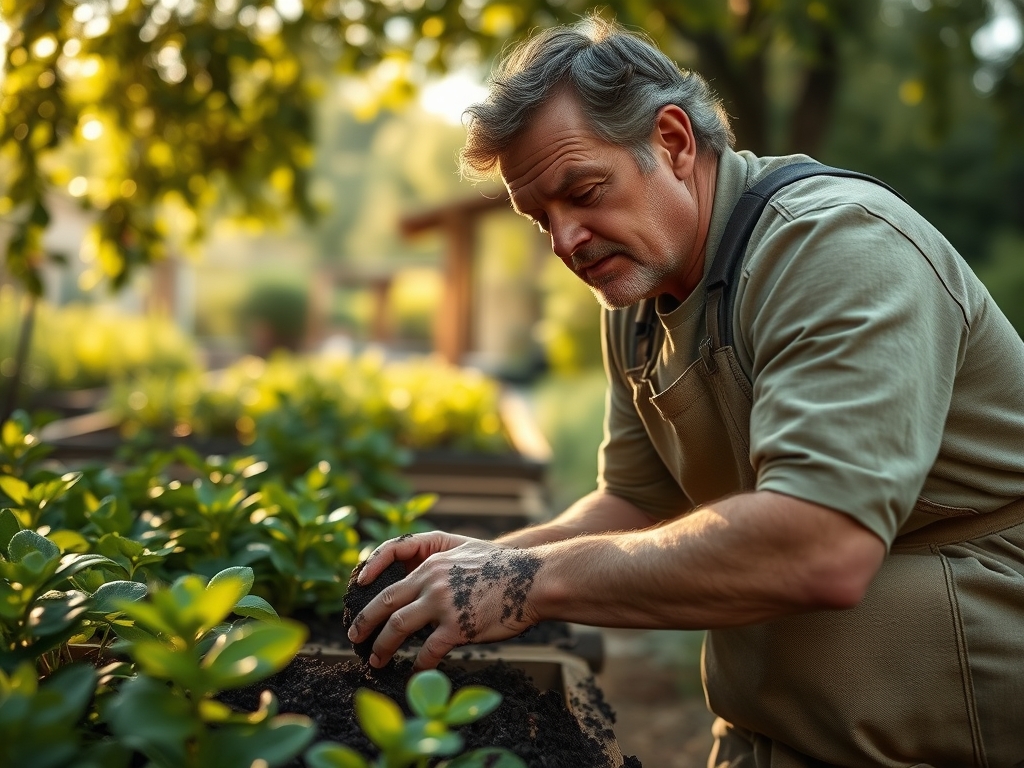
Sowing and Site Preparation
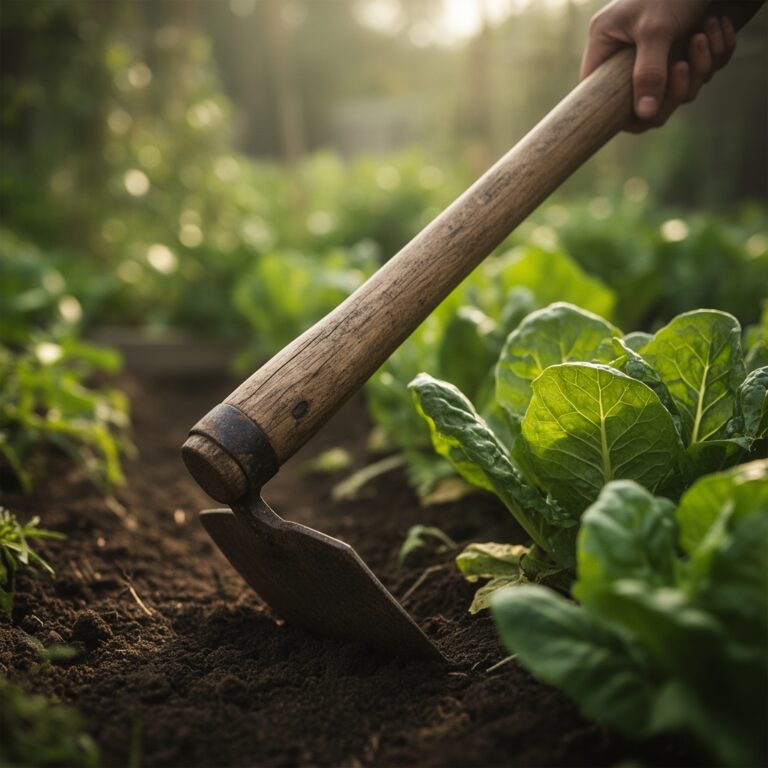
Blueberries require full solar exposure for at least 8 hours per day. Excavate a hole twice as wide as the root ball but no deeper than the original container. The root system of a blueberry is shallow and fibrous; it lacks root hairs, making it inefficient at extracting water from heavy clay.
Pro-Tip: Incorporate 50 percent sphagnum peat moss into the backfill. The Biological Why: This increases the soil porosity and lowers the pH to a level where iron and manganese become chemically available for uptake through the root membrane.
Transplanting
Remove the plant from its nursery pot and inspect the root mass. If the roots are circling the container, use a hori-hori knife to make four vertical scores one inch deep. Set the crown exactly at the soil line. Planting too deep causes crown rot; planting too shallow leads to desiccation of the upper fibrous roots.
Pro-Tip: Spread the roots horizontally in a "pancake" fashion. The Biological Why: Blueberries are shallow feeders that rely on lateral expansion to maximize nutrient interception in the top 12 inches of the soil profile.
Establishing
Once the bush is in the ground, saturate the area with 2 to 3 gallons of water. Apply a layer of pine bark mulch, keeping it 2 inches away from the main stem to prevent fungal pathogens from colonizing the bark. Remove all flower buds during the first year of growth.
Pro-Tip: Prune away at least 25 percent of the spindly wood at planting. The Biological Why: This suppresses apical dominance and redirects the plant's auxins toward root development rather than reproductive fruit production.
The Clinic:
Physiological disorders in blueberries are often mistaken for disease when they are actually chemical imbalances.
-
Symptom: Interveinal chlorosis (yellow leaves with green veins) on new growth.
Solution: This is typically Nitrogen or Iron deficiency caused by high soil pH.
Fix-It: Apply chelated iron and verify the soil pH is below 5.2. -
Symptom: Reddening of older leaves in mid-summer.
Solution: Magnesium deficiency or extreme heat stress.
Fix-It: Apply 1 ounce of Epsom salts (magnesium sulfate) per bush if soil tests confirm low magnesium. -
Symptom: Marginal leaf burn (scorching on the edges).
Solution: Salt toxicity or potassium deficiency.
Fix-It: Flush the soil with clean water and avoid using fertilizers containing chlorides.
Maintenance:
Blueberries require consistent hydration due to their lack of root hairs. Provide 1.5 inches of water per week at the drip line. Use a soil moisture meter to verify that the moisture has penetrated at least 8 inches deep.
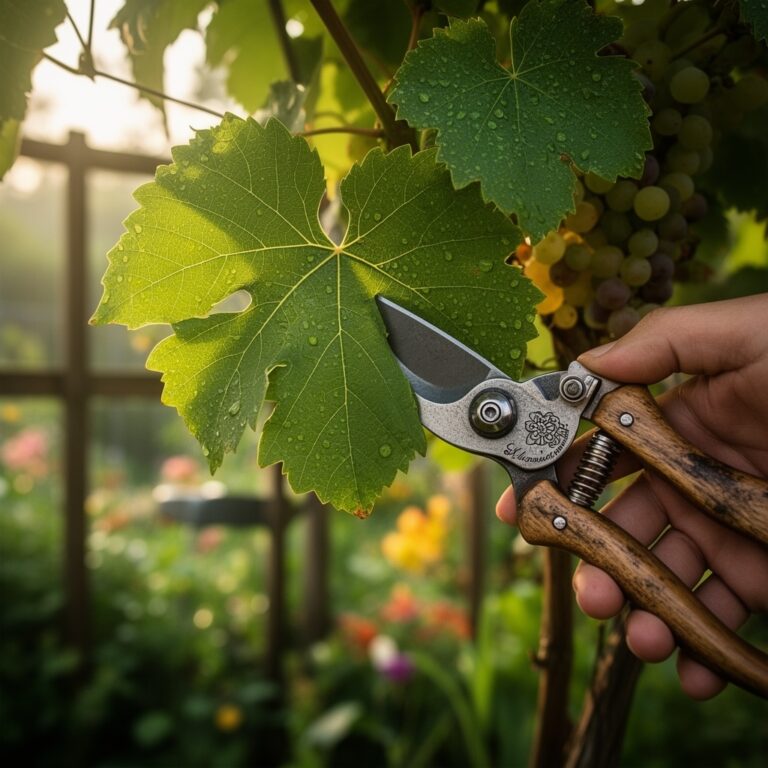
Annual pruning is mandatory for sustained yields. Use bypass pruners to remove any canes older than six years, as wood productivity declines after this point. Aim for a mix of ages: two canes each of one, two, three, four, and five year old wood. This ensures a "rolling" harvest and constant rejuvenation of the plant's vascular tissue.
The Yield:
Harvesting occurs when the fruit reaches the "blue-black" stage and the "pink ring" at the stem end has vanished. A mature bush can yield 5 to 10 pounds of fruit.
To maintain "day-one" freshness, harvest in the early morning when the fruit pulp temperature is at its lowest. Do not wash the berries until immediately before consumption; the waxy "bloom" on the skin is a natural preservative that prevents dehydration and fungal infection. Cool the berries to 33 degrees Fahrenheit within four hours of picking to slow the respiration rate and preserve sugar content.
FAQ:
How many blueberry bushes do I need for pollination?
While many varieties are self-fertile, planting two different cultivars with overlapping bloom times increases fruit set and size. Cross-pollination via bees significantly improves the genetic vigor and weight of the berries.
Why are my blueberry leaves turning red in the fall?
This is a natural part of senescence. As photoperiods shorten, chlorophyll breaks down, revealing anthocyanin pigments. This indicates the plant is successfully moving nutrients into the crown for winter storage.
Can I grow blueberries in heavy clay soil?
Clay is generally too alkaline and dense. To succeed, you must build raised beds at least 12 inches high filled with a 50/50 mix of aged pine bark and peat moss to ensure proper drainage and acidity.
How often should I fertilize my blueberry bushes?
Apply an acidic fertilizer three times per year: at bud break, six weeks later, and again immediately after harvest. Avoid late season fertilization, which can stimulate tender new growth that is susceptible to winter kill.