9 Best Ornamental Trees for Small Yards
The scent of petrichor signals a shift in soil porosity as moisture fills the interstitial spaces between peds. A healthy leaf maintains high turgor pressure; its cells are distended against the cell walls to facilitate efficient gas exchange through the stomata. Selecting the best ornamental trees for small yards requires more than aesthetic preference. It demands an understanding of root architecture and canopy spread to prevent structural interference with foundations or utility lines. These specimens must provide maximum physiological impact within a restricted footprint.
Success in a confined landscape depends on the relationship between the tree and the rhizosphere. Most urban soils suffer from compaction, which reduces oxygen availability and hinders root penetration. You are looking for species that exhibit high resilience to environmental stressors while maintaining a controlled growth habit. Selecting a tree with a mature height under 25 feet ensures it remains proportional to the site. This guide focuses on the technical requirements for establishing these woody perennials, ensuring they thrive through proper nutrient management and site preparation.
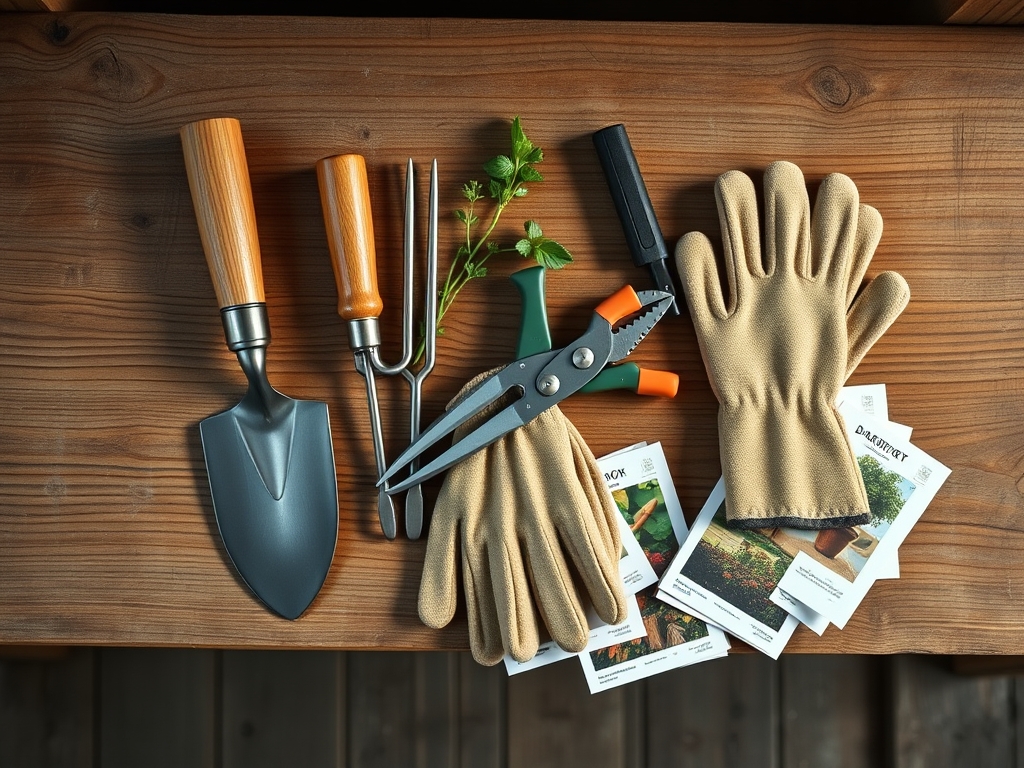
Materials:
Soil quality determines the longevity of the specimen. Most ornamental trees require a **friable loam** with a crumbly texture that allows for rapid drainage while retaining sufficient moisture. The ideal substrate consists of roughly 40% sand, 40% silt, and 20% clay.
Target a soil pH between 5.5 and 7.0 for optimal nutrient bioavailability. When the pH deviates from this range, essential micronutrients like iron and manganese become chemically locked, leading to interveinal chlorosis. For the establishment phase, utilize a fertilizer with an NPK ratio of 10-10-10 to support balanced root and shoot development. Avoid high-nitrogen blends (e.g., 30-0-0) during the first year; excessive nitrogen stimulates rapid, weak vegetative growth that is highly susceptible to opportunistic pathogens and wind damage. Ensure the soil has a high Cation Exchange Capacity (CEC) above 15 meq/100g to facilitate the retention of positively charged ions like potassium and magnesium.
Timing:
Most ornamental species perform best in Hardiness Zones 4 through 9. The window for installation opens when the soil temperature reaches a consistent 45 degrees Fahrenheit, typically 2 to 4 weeks before the last predicted frost.
The biological clock of a tree is governed by the photoperiod and thermoperiod. In early spring, the tree transitions from endodormancy to ecodormancy as chilling requirements are met. Planting during this transition allows the root system to establish before the onset of high summer temperatures. This timing ensures the tree can meet the transpiration demands of the canopy once the buds break and the vegetative stage begins. Avoid planting during the peak of summer senescence or during the reproductive stage (flowering), as the plant's energy reserves are diverted away from root regeneration.
Phases:

Sowing and Selection
Select specimens with a well-developed central leader and no evidence of circling roots in the container. Circling roots can eventually lead to girdling, which chokes the vascular system. Examine the bark for mechanical injuries; the cambium layer must be intact to ensure the flow of photosynthates.
Pro-Tip: Check for a visible root flare at the base of the trunk. Biological Why: Planting too deep causes oxygen deprivation in the root zone and encourages adventitious roots that can girdle the main stem, leading to premature decline.
Transplanting
Dig a hole twice as wide as the root ball but no deeper. The goal is to provide a zone of loosened soil for lateral root expansion. Use a hori-hori knife to score the sides of the root ball if the plant is slightly pot-bound. This mechanical disruption encourages new root tips to grow outward into the native soil.
Pro-Tip: Do not amend the backfill soil with heavy organic matter. Biological Why: This creates a "bathtub effect" where roots refuse to leave the nutrient-rich hole, leading to a weak, localized root system and poor structural stability during high winds.
Establishing
Apply a 2-to-3-inch layer of organic mulch around the base, keeping it at least 4 inches away from the trunk. Monitor soil moisture using a soil moisture meter inserted 6 inches deep. The tree requires consistent hydration to maintain cell turgor during the first two growing seasons.
Pro-Tip: Avoid heavy pruning during the first year. Biological Why: Leaves produce auxins, which are hormones that travel downward to stimulate root growth. Removing too much canopy reduces the auxin supply, slowing the establishment of the root system.
The Clinic:
Physiological disorders often mimic infectious diseases. Accurate diagnosis is essential before intervention.
- Symptom: Interveinal chlorosis (yellow leaves with green veins) on new growth.
- Solution: This indicates an Iron deficiency, often caused by high soil pH. Apply chelated iron to the soil or as a foliar spray to bypass soil lock-up.
- Symptom: Leaf scorch or marginal necrosis on older leaves.
- Solution: This suggests Potassium deficiency or salt accumulation. Flush the soil with 2 inches of water to leach salts and apply a balanced 10-10-10 fertilizer.
- Symptom: Premature leaf drop and wilting despite wet soil.
- Solution: This is likely Root Hypoxia from overwatering. Reduce irrigation and improve drainage to allow oxygen back into the rhizosphere.
- Symptom: Stunted growth and pale green foliage across the entire plant.
- Solution: Nitrogen chlorosis. Apply a slow-release nitrogen source to support chlorophyll production and vegetative vigor.
Maintenance:
Precision is the hallmark of professional maintenance. Provide 1.5 inches of water per week at the drip line, which is the area directly under the outer circumference of the branches. This is where the most active feeder roots are located.
Pruning should be performed during the dormant season using sterilized bypass pruners. Focus on the "Three Ds": dead, damaged, or diseased wood. Make thinning cuts just outside the branch collar to facilitate rapid compartmentalization of the wound. Never "top" a tree, as this triggers a stress response resulting in weak epicormic sprouts. Use a soil moisture meter regularly to calibrate your irrigation schedule against local evapotranspiration rates.
The Yield:
For ornamental trees that produce flowers, such as the Cornus florida (Flowering Dogwood) or Cercis canadensis (Eastern Redbud), timing is critical for aesthetic impact. Flowers typically emerge when cumulative growing degree days reach a specific threshold for the species. To maintain "day-one" freshness for indoor displays, harvest branches when the buds are in the "balloon stage" (just before opening). Use sharp shears to make a 45-degree cut and immediately submerge the stems in 100-degree Fahrenheit water to remove air embolisms from the xylem.
FAQ:
What is the best time to plant ornamental trees?
Plant in early spring or late autumn when the tree is dormant. This minimizes transplant shock by allowing root development to occur while transpiration rates are low due to cooler temperatures and lack of foliage.
How much space do small ornamental trees need?
Provide a minimum radius of 8 to 10 feet from structures. Even small trees require adequate soil volume for root expansion and airflow around the canopy to prevent fungal pathogens from proliferating in humid conditions.
How often should I fertilize my small yard tree?
Apply a balanced fertilizer once in early spring as buds begin to swell. Avoid late-summer fertilization, which can stimulate new growth that will not have time to harden off before the first killing frost.
Why are the leaves on my new tree turning yellow?
Yellowing, or chlorosis, usually indicates a nutrient deficiency or pH imbalance. Check soil moisture first; overwatering causes root stress that prevents nutrient uptake. If soil moisture is correct, perform a soil test to check for Nitrogen or Iron levels.