9 Potted Steps to Prepare a Potted Begonia Plant Shelf
Crushed perlite dust and the sharp, metallic scent of damp peat moss define the workspace of a serious grower. Success with the genus Begonia depends entirely on managing the microclimate of the rhizosphere while balancing atmospheric humidity. When you learn how to prepare a plant shelf for begonias, you are engineering a high-performance environment where turgor pressure remains constant and leaf senescence is delayed. These plants require a precise intersection of light intensity and air circulation to thrive.
The structural integrity of your shelving unit must support the weight of saturated substrate, which can reach 15 pounds per square foot for larger ceramic vessels. Most Begonia species, particularly the rhizomatous and cane-like varieties, demand a stable temperature range between 65 and 75 degrees Fahrenheit. Fluctuations outside this window trigger a physiological stress response, resulting in leaf drop or stunted internodal growth. By optimizing your shelving setup with waterproof liners and supplemental lighting, you create a controlled laboratory for botanical development. Observe the root structure in the step-by-step photos below to understand the spatial requirements of these specialized root systems.
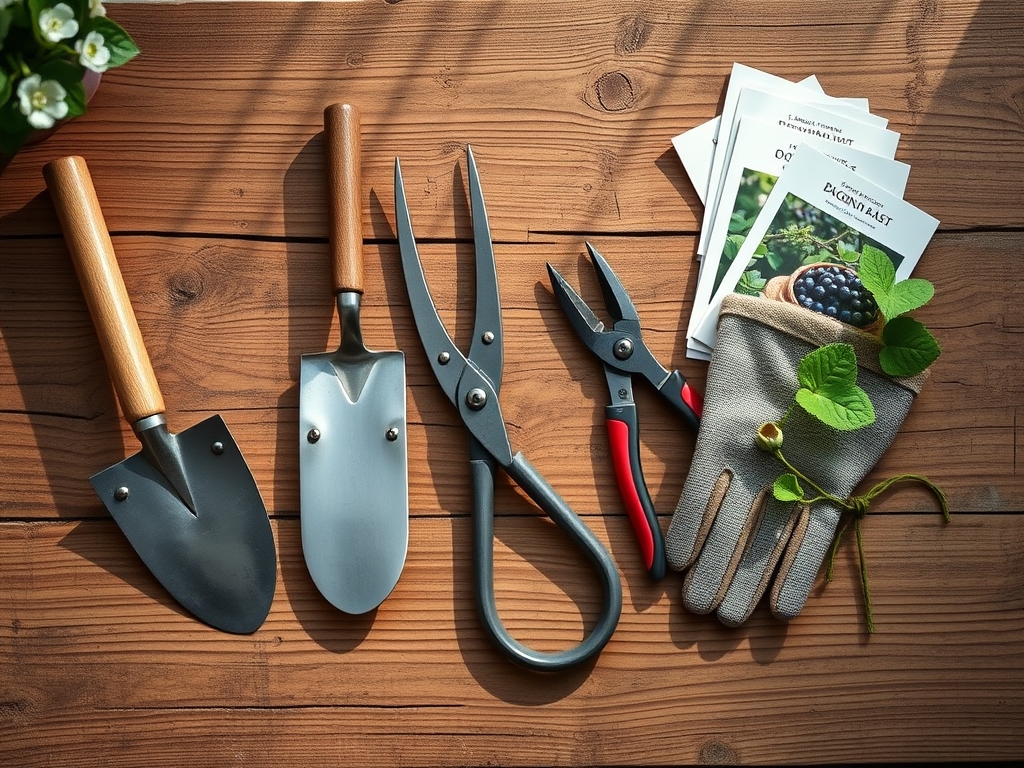
Materials:
The substrate is the foundation of plant health. Begonias require a friable loam with high porosity to prevent anaerobic conditions. Your potting mix should consist of 40 percent peat moss, 20 percent perlite, 20 percent vermiculite, and 20 percent shredded pine bark. This composition ensures a high Cation Exchange Capacity (CEC), allowing the plant to efficiently uptake nutrients.
Target a soil pH between 5.5 and 6.2. For fertilization, utilize a water-soluble NPK ratio of 10-10-10 during the active growth phase, or a 15-30-15 ratio if you are prioritizing floral production in tuberous varieties. Avoid heavy clay soils; they lack the macropores necessary for oxygen diffusion to the roots. Ensure your shelf includes polypropylene drip trays to capture leachate and prevent cross-contamination between specimens.
Timing:
In USDA Hardiness Zones 10 and 11, begonias can exist outdoors year-round. However, for most growers in Zones 3 through 9, the transition to an indoor shelf must occur when night temperatures consistently drop below 55 degrees Fahrenheit. The biological clock of a begonia is governed by the photoperiod. As day length decreases, the plant shifts from vegetative growth to a semi-dormant state.
Initiate your shelf preparation two weeks before the first frost date in your region. This window allows for a gradual acclimation period, reducing the shock of moving from high-intensity solar radiation to artificial LED or fluorescent spectrums. If you are starting from tubers, begin the "waking" process in late February or early March to ensure a robust root system before the peak summer heat.
Phases:
Sowing and Propagation
Begonia seeds are microscopic, often resembling dust. Sow them on the surface of a sterile, pre-moistened seed-starting mix. Do not cover the seeds; they require light to trigger germination. Maintain a constant temperature of 72 to 75 degrees Fahrenheit using a bottom-heat germination mat.
Pro-Tip: High humidity is essential for germination because the tiny seedlings lack the cuticle thickness to prevent rapid desiccation. This is a biological necessity to maintain turgor pressure in the absence of a developed vascular system.
Transplanting
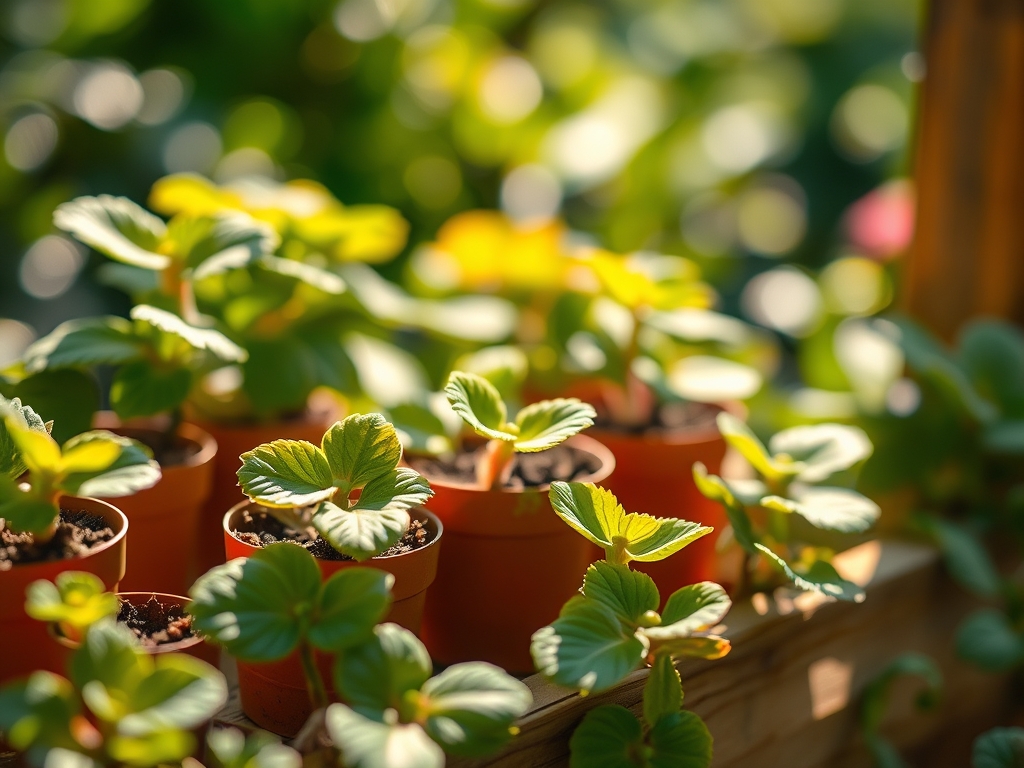
Move seedlings or cuttings once they possess two sets of true leaves. Use a hori-hori knife to gently lift the root ball, ensuring the delicate root hairs remain intact. Space plants on the shelf to allow for 3 to 5 inches of air gap between foliage. This prevents the stagnation of air, which is a primary driver of fungal pathogens.
Pro-Tip: When transplanting, inoculate the soil with mycorrhizal fungi. This symbiotic relationship increases the effective surface area of the root system, enhancing phosphorus uptake and drought resistance through a biological network.
Establishing the Canopy
As the begonia establishes itself on the shelf, rotate the pots 90 degrees every week. This ensures even light distribution across the entire leaf surface area. Monitor the distance between the top of the plant and the light source; maintain a gap of 6 to 12 inches for high-output LEDs to avoid chlorophyll scorching.
Pro-Tip: Regular rotation counteracts phototropism, the biological process where auxins migrate to the shaded side of the stem, causing the plant to lean toward the light source.
The Clinic:
Physiological disorders often mimic disease but are usually rooted in environmental stressors.
- Symptom: Edema (Small bumps on leaf undersides).
- Solution: Reduce watering frequency and increase air circulation. This occurs when the roots take up water faster than the leaves can transpire it.
- Symptom: Nitrogen Chlorosis (Yellowing of older leaves).
- Fix-It: Apply a balanced liquid fertilizer with a high nitrogen content. Nitrogen is a mobile nutrient; the plant will pull it from old growth to support new terminal buds.
- Symptom: Tip Burn (Brown, crispy leaf edges).
- Solution: Increase ambient humidity to 50-60 percent. This is often caused by low humidity or excessive salt buildup in the substrate. Flush the soil with distilled water.
- Symptom: Powdery Mildew (White, flour-like spots).
- Solution: Improve airflow using a small oscillating fan and ensure leaves remain dry during watering.
Maintenance:
Precision is the hallmark of a master horticulturist. Use a soil moisture meter to ensure the substrate is dry to a depth of 1 inch before re-watering. Generally, begonias on an indoor shelf require approximately 0.5 to 1.0 liters of water per week, depending on pot size and ambient evaporation rates.
Use bypass pruners to remove spent blooms and yellowing foliage at the base of the petiole. This prevents the accumulation of necrotic tissue, which can harbor pathogens. Every 90 days, leach the pots by pouring water through the substrate until it runs clear from the drainage holes; this removes accumulated fertilizer salts that can alter soil pH and damage sensitive root tips.
The Yield:
For those growing begonias for their ornamental foliage or edible blooms (in the case of Begonia x semperflorens), harvest during the early morning hours when cell turgidity is at its peak. Use sharp shears to make a clean cut at a 45-degree angle.
To maintain "day-one" freshness for cut flowers or foliage, immediately submerge the stems in 110-degree Fahrenheit water for thirty minutes. This "hardening" process removes air bubbles from the xylem, ensuring the plant can continue to transport water effectively once placed in a vase. For tuberous varieties, harvest the tubers once the foliage has naturally yellowed and died back in autumn, storing them in dry peat moss at 45 to 50 degrees Fahrenheit.
FAQ:
How much light do begonias need on a shelf?
Most begonias thrive with 12 to 14 hours of bright, indirect light. On a shelf, use full-spectrum LED grow lights positioned 6 to 12 inches above the canopy to provide roughly 200 to 400 foot-candles of intensity.
What is the best pot for a begonia shelf?
Terracotta or unglazed ceramic pots are ideal. These porous materials allow for gas exchange through the pot walls and help prevent the substrate from becoming waterlogged, which protects the rhizosphere from root rot.
How often should I fertilize my shelf begonias?
During the active growing season, apply a half-strength liquid fertilizer every two weeks. Reduce this to once every six to eight weeks during the winter months when the plant's metabolic rate slows due to shorter photoperiods.
Why are my begonia leaves falling off?
Sudden leaf drop is usually caused by rapid temperature fluctuations or overwatering. Ensure the shelf is away from cold drafts and that the soil pH remains stable between 5.5 and 6.2 to prevent nutrient lockout.