7 Nutrient-Rich Benefits of Specialized Palm Soil
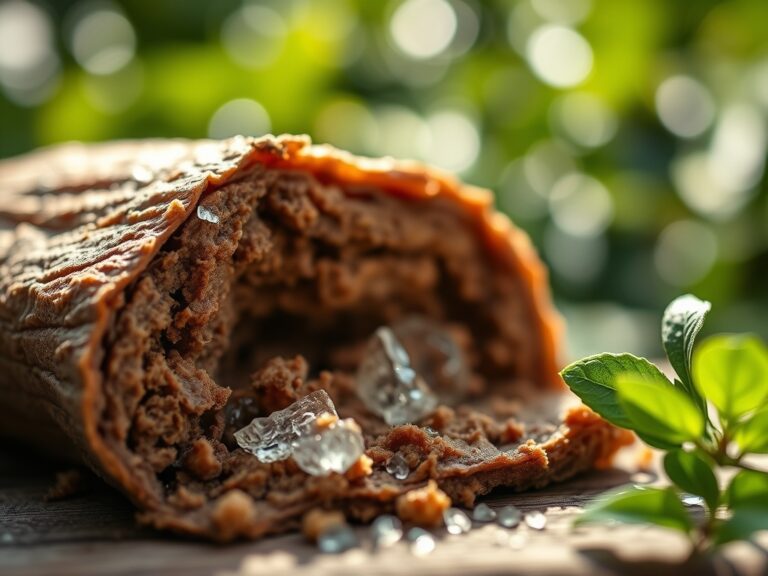
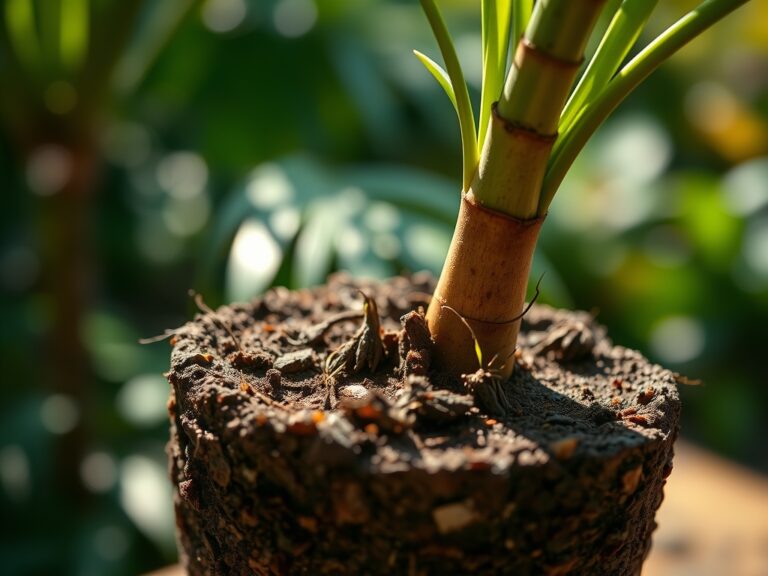
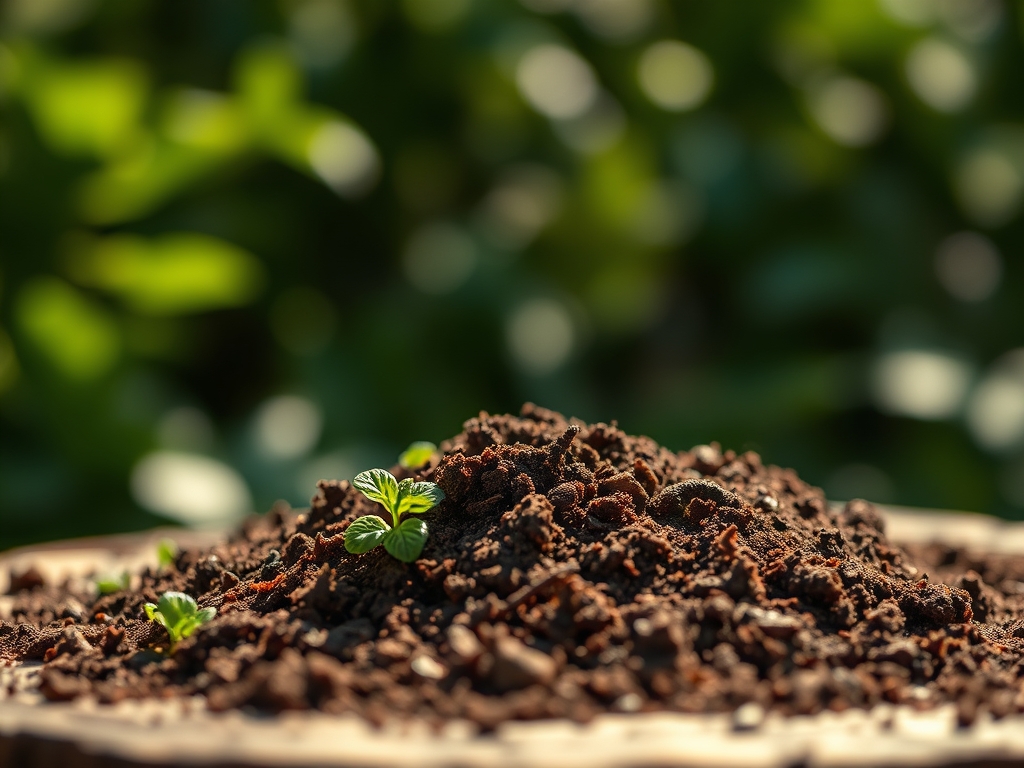
The scent of damp pine bark and coarse sand signals a substrate engineered for drainage. When you press a handful of this medium, it should crumble instantly rather than clumping into a dense mass. This friability is the foundation of root health. For a palm, cellular turgor pressure depends entirely on the osmotic balance within the rhizosphere. Using a specialized palm soil ensures that the delicate root hairs are not suffocated by anaerobic conditions common in standard potting mixes. Most palms are heavy feeders that require a specific balance of micronutrients to prevent premature senescence of the lower fronds. By selecting a medium with a high Cation Exchange Capacity (CEC), you provide a reservoir for essential ions like magnesium and manganese. These elements are often locked away in generic soils with improper acidity levels. A professional grade palm mix maintains a stable environment where water moves through the profile at a rate of roughly two inches per hour. This prevents the salt buildup that leads to necrotic leaf tips.
Materials:
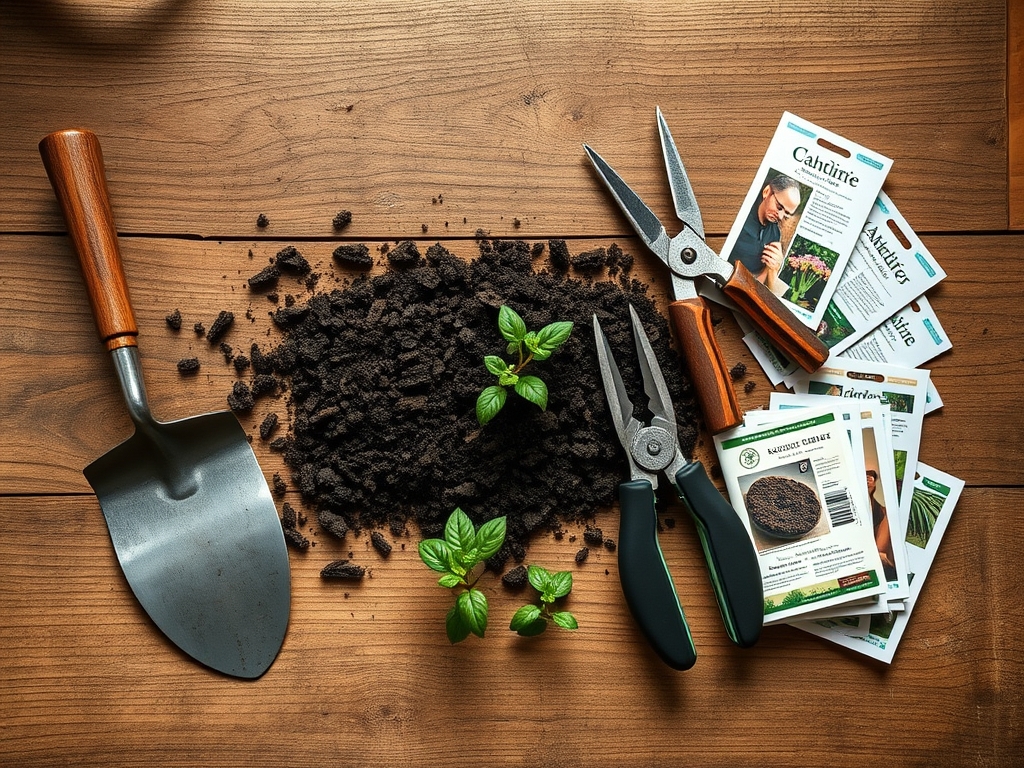
The chemical composition of your substrate determines the bioavailability of nutrients. Aim for a **soil pH between 5.5 and 6.5**. Within this range, phosphorus and trace minerals remain soluble for root uptake. The ideal NPK ratio for palm growth is **3:1:3**, specifically formulated with slow release nitrogen to prevent leaching.
- Substrate Texture: A friable loam consisting of 40 percent peat moss or coconut coir, 30 percent perlite or pumice, and 30 percent coarse sand.
- Micronutrient Load: Ensure the mix contains at least 0.1 percent water-soluble magnesium and 0.05 percent manganese to prevent interveinal chlorosis.
- CEC Rating: A high CEC (above 15 meq/100g) is necessary to hold onto positively charged cations like potassium (K+) and calcium (Ca2+).
Timing:
Palms are most active when soil temperatures consistently remain above 65 degrees Fahrenheit. In Hardiness Zones 8 through 11, the primary growth window opens after the last spring frost and extends until the first cooling of autumn. The biological clock of a palm is governed by the photoperiod; as day length increases, the production of gibberellins stimulates the emergence of new spears. Avoid transplanting during the winter dormancy period. When the plant is in its vegetative stage, its metabolic demand for water and nitrogen peaks. Attempting to disturb the root ball during the reproductive stage (flowering or fruiting) can lead to significant transplant shock and fruit drop. Monitor the local frost date windows closely; a palm needs at least 90 days of warm weather to establish a robust root system before the first freeze.
Phases:
Sowing
When starting palms from seed, maintain a constant bottom heat of 85 to 90 degrees Fahrenheit. Use a sterile, well-draining specialized palm soil to prevent "damping off" caused by fungal pathogens. Seeds should be buried at a depth equal to their diameter.
Pro-Tip: Maintain high humidity to soften the endocarp. This facilitates the emergence of the radicle by reducing mechanical resistance.
Transplanting
When moving a palm to a larger vessel or the ground, the new hole must be twice as wide as the root ball but no deeper. Using a specialized palm soil as backfill ensures the transition zone between the root ball and the native soil remains porous.
Pro-Tip: Avoid pruning live green fronds during transplanting. These fronds act as a nutrient reservoir; the plant will translocate carbohydrates from older leaves to support new root development via auxin signaling.
Establishing
During the first six months, the palm focuses on anchoring. Water deeply twice a week, ensuring the moisture reaches the bottom of the root zone. Observe the center spear for growth; a steady upward movement indicates successful establishment.
Pro-Tip: Apply a mycorrhizal inoculant to the root zone. This creates a symbiotic relationship where fungi extend the reach of the root system, increasing the surface area for phosphorus absorption by up to 1,000 percent.
The Clinic:
Physiological disorders in palms are often mistaken for pests. Use this diagnostic guide to identify soil-based issues.
- Symptom: Yellowing of older fronds while the new spear remains green.
- Solution: This indicates a Nitrogen (N) or Magnesium (Mg) deficiency. Nitrogen is mobile; the plant moves it to new growth. Apply a 12-4-12 fertilizer with supplemental magnesium.
- Symptom: "Frizzle top" or distorted, necrotic new growth.
- Solution: This is a Manganese (Mn) deficiency, often caused by high soil pH (above 7.0). Lower the pH using elemental sulfur and apply manganese sulfate.
- Symptom: Horizontal "check marks" or necrotic spotting on leaves.
- Solution: Potassium (K) deficiency. Potassium is vital for regulating stomatal conductance. Use a specialized palm soil enriched with controlled-release potassium.
Fix-It: For general chlorosis, perform a soil slurry test to check the EC (Electrical Conductivity). If the EC is above 2.0 mS/cm, flush the soil with three volumes of fresh water to leach out excess salts.
Maintenance:
Precision is the hallmark of professional palm care. Use a soil moisture meter to verify that the top two inches of soil have dried before re-watering. Generally, palms require 1.5 inches of water per week delivered at the drip line. This encourages the roots to spread outward for stability. When pruning, use sterilized bypass pruners to remove only dead, brown fronds. Never cut into the trunk; palms do not have bark and cannot heal wounds like hardwood trees. For larger specimens, a hori-hori knife is effective for weeding around the base without damaging the shallow adventitious roots. Apply a three-inch layer of organic mulch around the base, keeping it four inches away from the trunk to prevent fungal rot.
The Yield:
For fruiting palms like the Date Palm (Phoenix dactylifera), harvest occurs when the fruit reaches the "Tamr" stage, where moisture content drops to about 20 percent. For ornamental palms, the "yield" is measured in frond production and canopy density. To maintain "day-one" freshness for indoor specimens, wipe the leaves with a damp cloth to remove dust. This maximizes the rate of photosynthesis by ensuring the stomata are not blocked. If harvesting seeds, wait until the fruit is fully ripe and the color has changed from green to red or black. Remove the fleshy exocarp immediately to prevent fermentation, which can inhibit germination.
FAQ:
Why is my palm soil draining so slowly?
Slow drainage usually indicates soil compaction or high clay content. Using a specialized palm soil with added perlite or coarse sand fixes this. Ensure the drainage holes are not blocked to prevent root rot in the anaerobic zone.
Can I use regular potting soil for my palm?
Regular soil often lacks the specific micronutrients like manganese and magnesium that palms require. It also tends to retain too much moisture, which can lead to fungal infections and the collapse of the plant's vascular system.
How often should I fertilize my palm?
Apply a specialized palm fertilizer three to four times per year during the growing season. Look for a formula with a 3:1:3 ratio and ensure it contains micronutrients. Stop fertilizing two months before the first expected frost.
What is the best way to fix yellow leaves?
Identify if the yellowing is on old or new growth. If old, it is likely a mobile nutrient deficiency like potassium. If new, it is likely manganese. Adjust the soil pH to 6.0 and apply the missing mineral.