9 Easy Steps to Grow Cantaloupe Melons
Crushing a handful of warm, friable loam reveals the earthy scent of geosmin; this is the baseline for success when learning the steps to grow cantaloupe melons. A healthy vine exhibits high turgor pressure, its leaves standing rigid and rough to the touch. Success requires more than casual planting. It demands an understanding of soil chemistry and thermal minimums. Cantaloupes are heavy feeders that require specific thermal units to convert starches into the sugars that define a high-quality harvest.
Materials:

The foundation of a melon patch is the substrate. You require a pH between 6.0 and 6.8. If your soil is acidic, the Cation Exchange Capacity (CEC) will be compromised, preventing the plant from absorbing calcium and magnesium. Prepare the site with a 5-10-10 NPK ratio fertilizer. High nitrogen at the start is a mistake; it encourages excessive leaf canopy at the expense of fruit set.
The physical texture must be a sandy loam. This allows for rapid drainage and oxygen penetration into the rhizosphere. If you have heavy clay, incorporate organic matter to increase porosity. You will also need black plastic mulch or landscape fabric to raise the soil temperature by at least 5 degrees Fahrenheit. Ensure you have a soil moisture meter to monitor the root zone at a depth of 6 inches.
Timing:
Cantaloupes are tropical annuals that thrive in Hardiness Zones 4 through 11. However, they require a long growing season of 80 to 100 days with temperatures consistently above 70 degrees Fahrenheit. Do not transplant until the soil temperature reaches a stable 65 degrees Fahrenheit.
The biological clock of the Cucumis melo is governed by heat units. The transition from the vegetative stage to the reproductive stage occurs when the plant has established roughly 6 to 8 true leaves. At this point, the plant shifts its energy from leaf production to flower initiation. If a cold snap occurs during this transition, the plant may experience stunted growth or premature senescence.
Phases:

Sowing
Start seeds indoors 3 to 4 weeks before the last frost using biodegradable peat pots. Plant seeds 0.5 inches deep. Maintain a germination temperature of 80 to 90 degrees Fahrenheit using a heating mat.
Pro-Tip: Minimize root disturbance during the sowing phase. Cantaloupes have a sensitive root system; damaging the primary taproot during early growth can lead to permanent stunting because the plant cannot efficiently re-establish its auxin-driven root dominance.
Transplanting
Hardening off is mandatory. Move seedlings outdoors for increasing intervals over 7 days. Space plants 24 to 36 inches apart in rows spaced 5 to 6 feet apart. This spacing ensures adequate airflow to prevent fungal pathogens.
Pro-Tip: Inoculate the planting hole with mycorrhizal fungi. This symbiotic relationship extends the reach of the root system, allowing the plant to scavenge phosphorus and water more effectively from the surrounding soil matrix.
Establishing
Once the vines begin to "run" or extend across the soil, they enter the rapid growth phase. This is when the plant's water demand increases. The leaves will track the sun, a process known as heliotropism, to maximize photosynthetic efficiency.
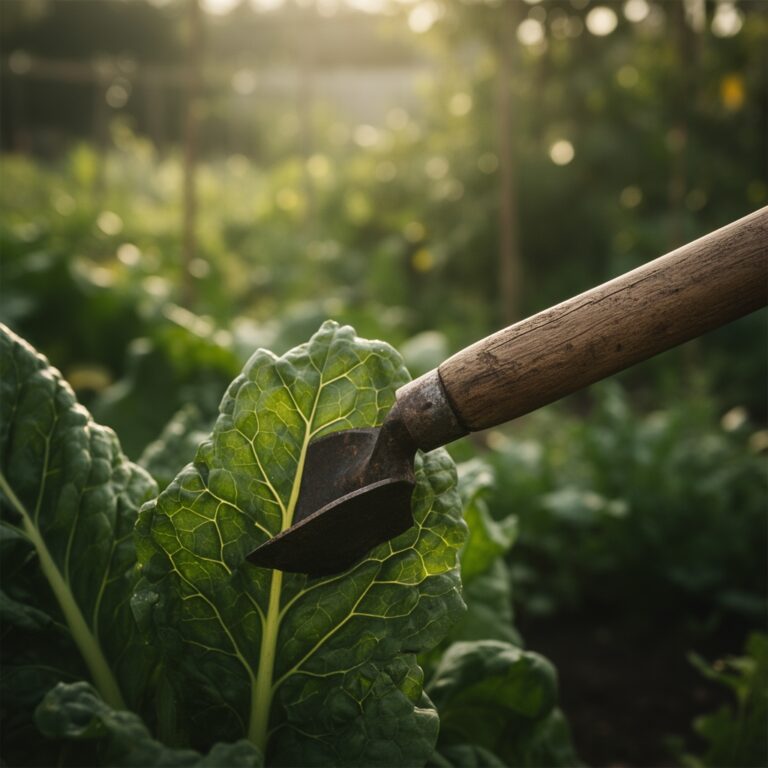
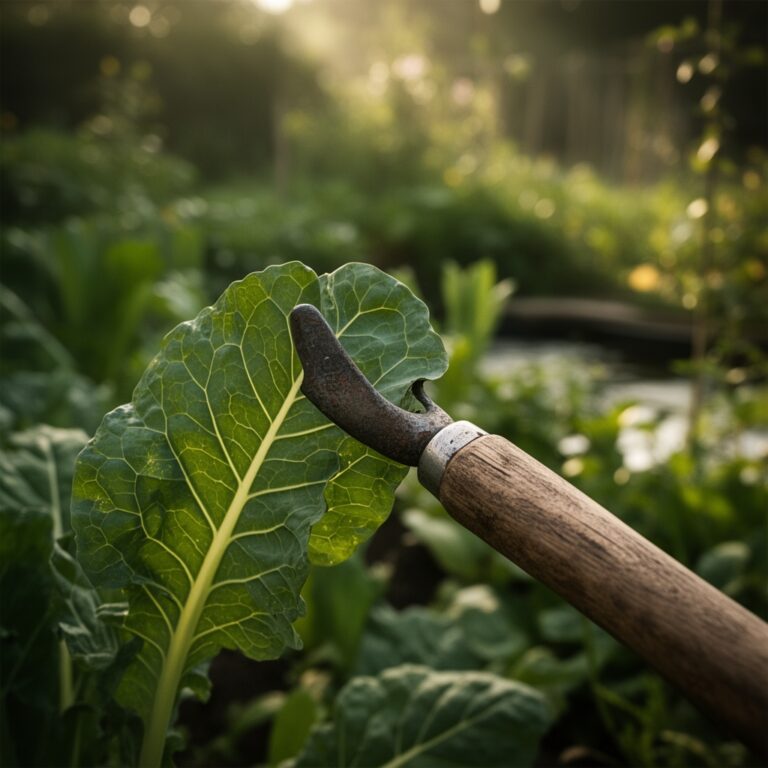
Pro-Tip: Use a hori-hori knife to remove the first few flowers on a young vine. This redirects energy back into the root system and leaf canopy, ensuring the plant has enough biomass to support large fruit later in the season.
The Clinic:
Physiological disorders often mimic diseases but are usually rooted in environmental stress or nutrient imbalances.
- Symptom: Blossom End Rot (dark, leathery spot on the bottom of the fruit).
Solution: This is a calcium deficiency often caused by inconsistent watering. Maintain steady soil moisture to ensure calcium ions can move through the xylem. - Symptom: Interveinal Chlorosis (yellowing between leaf veins).
Solution: This indicates a magnesium deficiency. Apply a foliar spray of Epsom salts (magnesium sulfate) at a rate of 1 tablespoon per gallon of water. - Symptom: Poor Fruit Set (flowers drop without forming melons).
Solution: Lack of pollination. Avoid using broad-spectrum insecticides during the morning hours when bees are most active. - Symptom: Sudden Wilt (leaves collapse despite moist soil).
Solution: Check for the Squash Vine Borer. Use a bypass pruner to remove infected stems or use a physical barrier like row covers until flowering begins.
Fix-It: For general Nitrogen chlorosis (pale green leaves), apply a liquid seaweed extract. This provides a quick boost of nitrogen and micronutrients without the risk of salt buildup in the rhizosphere.
Maintenance:
Precision is required for irrigation. Provide 1.5 to 2 inches of water per week at the drip line. Avoid overhead watering; moisture on the foliage invites Erysiphe cichoracearum (powdery mildew). Use a soil moisture meter twice weekly. If the meter reads below 40 percent at a 4-inch depth, irrigate immediately.
Pruning is essential for fruit quality. Limit each vine to 3 or 4 melons. Use bypass pruners to snip off secondary runners once the primary fruits have reached the size of a tennis ball. This focuses the plant's sugar production into the remaining melons, increasing the Brix (sugar content) level. Weed aggressively with a hori-hori knife early in the season to prevent competition for nutrients.
The Yield:
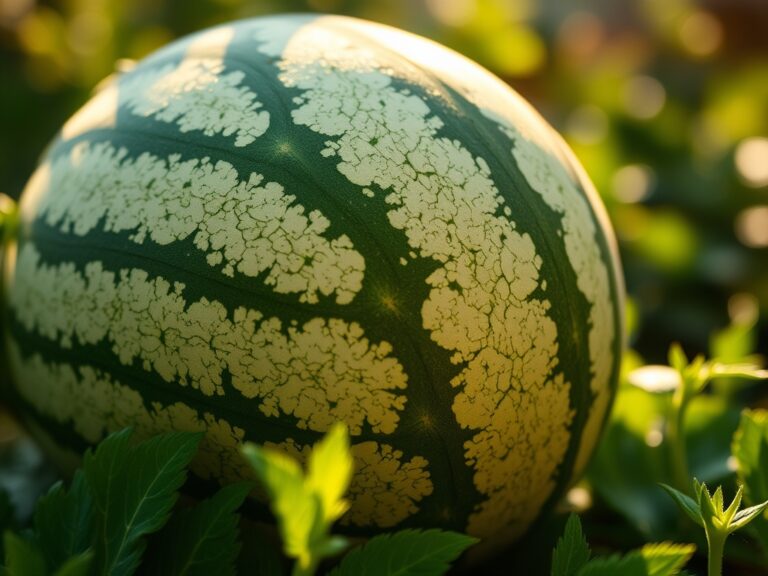
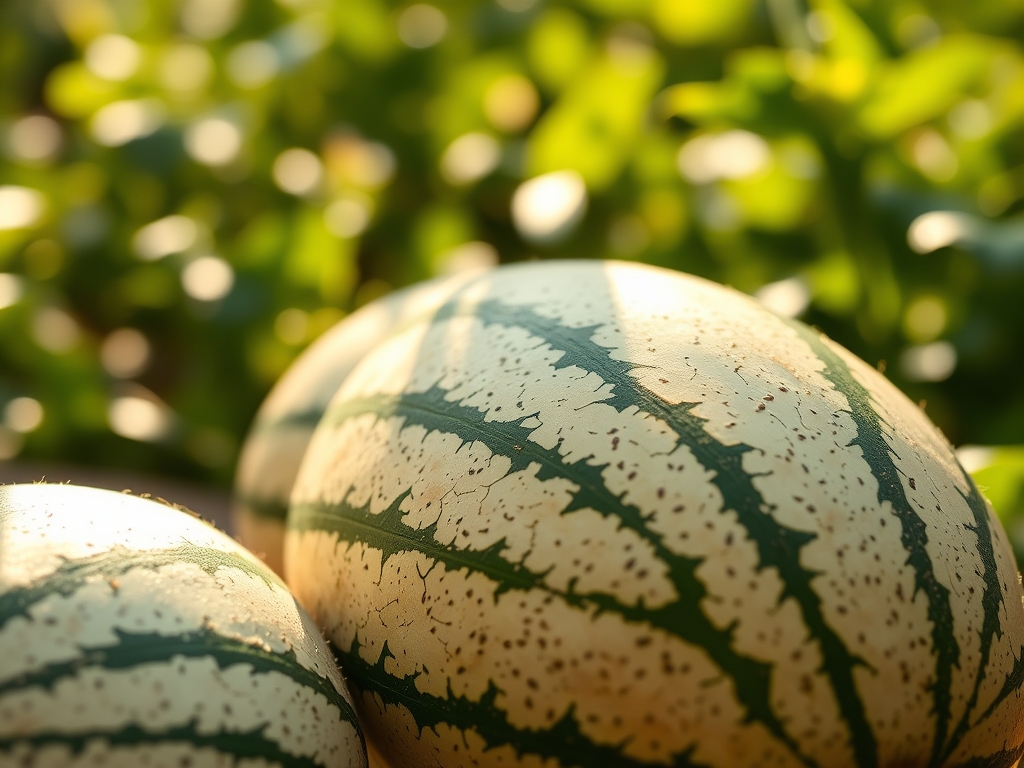
Harvesting at the "full slip" stage is the only way to ensure maximum sweetness. A cantaloupe is ready when the rind color changes from green to tan and a crack forms around the stem where it attaches to the fruit. At this stage, a light tug should cause the melon to "slip" cleanly from the vine.
Post-harvest handling is critical. Field heat must be removed immediately to slow down cellular respiration. Place the melons in a cool, shaded area or a refrigerator set to 45 to 50 degrees Fahrenheit. Do not stack melons more than two layers deep to avoid bruising the delicate netting on the rind. For "day-one" freshness, consume within 5 to 7 days of harvest.
FAQ:
Why are my cantaloupes not sweet?
Low sugar content usually results from excessive water during the final two weeks of ripening. This dilutes the sugars. Reduce irrigation when the fruit reaches full size to concentrate the glucose and fructose levels within the pulp.
How do I tell if a cantaloupe is ripe?
Look for the "full slip" stage. The stem should detach easily with slight pressure. The background rind color will shift from green to a creamy tan, and the blossom end will yield slightly to thumb pressure.
Can I grow cantaloupes in containers?
Yes, use a container of at least 5 to 10 gallons with high-quality potting mix. You must provide a sturdy trellis and use mesh slings to support the weight of the developing fruit as the vines climb.
Why are my melon leaves turning white?
White, powdery spots indicate Powdery Mildew. This fungal pathogen thrives in high humidity and stagnant air. Improve spacing for better airflow and apply a potassium bicarbonate spray to alter the leaf pH and inhibit fungal growth.
What is the best fertilizer for cantaloupes?
Start with a balanced 10-10-10 at planting. Switch to a high-potassium fertilizer, such as a 5-10-15, once flowers appear. Potassium is essential for the translocation of sugars and maintaining the plant's internal water balance.