6 Tiny Steps to Plant Dwarf Citrus
Damp earth carries a sharp, metallic scent of decomposing minerals while the turgor pressure of a healthy citrus leaf feels like stiff leather between your fingers. Success in the orchard begins with these tactile markers. Growing compact fruit trees requires more than luck; it demands a rigorous adherence to the steps to plant dwarf citrus to ensure the specimen transitions from a nursery container to a productive, long term asset. You are managing a biological machine that requires specific atmospheric pressures and nutrient gradients to function. A dwarf citrus tree, typically grafted onto Flying Dragon (Poncirus trifoliata) rootstock, remains small but maintains the high metabolic demands of its full sized counterparts. You must provide a high Cation Exchange Capacity (CEC) environment where the root system can efficiently swap hydrogen ions for essential nutrients. This process begins with site selection and substrate engineering.
Materials:

The substrate is the foundation of the rhizosphere. Dwarf citrus requires a pH level between 6.0 and 7.0 to prevent nutrient lockout. If the pH rises above 7.5, iron becomes chemically unavailable, leading to interveinal chlorosis. Your soil must be a friable loam; it should crumble under light pressure rather than clumping like clay or draining instantly like pure sand.
For the initial planting phase, secure a fertilizer with an NPK ratio of 2-1-1 or 3-1-1. High nitrogen levels are critical for early vegetative growth. You will also need perlite or coarse builder's sand to increase macropore space, ensuring oxygen reaches the roots. Avoid standard potting soils that contain high percentages of peat moss, as these can become hydrophobic when dry or overly compacted, suffocating the delicate hair roots that facilitate water uptake.
Timing:
Citrus trees are subtropical organisms that thrive in USDA Hardiness Zones 8 through 11. In cooler climates, dwarf varieties are often kept in containers to allow for indoor migration during thermal extremes. The ideal planting window opens when the soil temperature consistently reaches 65 degrees Fahrenheit. This temperature threshold triggers the biological clock, signaling the plant to move from a dormant state into active root expansion.
Planting during the spring equinox allows the tree to establish its vascular system before the heat of midsummer increases transpiration rates. If you plant too late in the autumn, the tree may initiate a flush of new growth that lacks the lignification necessary to survive a sudden frost. The transition from vegetative growth to reproductive stages (flowering and fruiting) depends heavily on the accumulation of "heat units" or Growing Degree Days (GDD).
Phases:
Sowing and Selection
Most dwarf citrus are purchased as grafted saplings rather than grown from seed. When selecting your tree, inspect the graft union; the point where the scion meets the rootstock. It should be clean, callous-free, and located at least 2 to 4 inches above the soil line. Avoid plants with "circling roots" which indicate the specimen has been pot-bound for too long.
Pro-Tip: Inspect the root tips for white, fleshy growth. This indicates active cell division. Biological Why: Healthy root tips produce cytokinins, a class of plant hormones that promote lateral bud growth and delay leaf senescence.
Transplanting
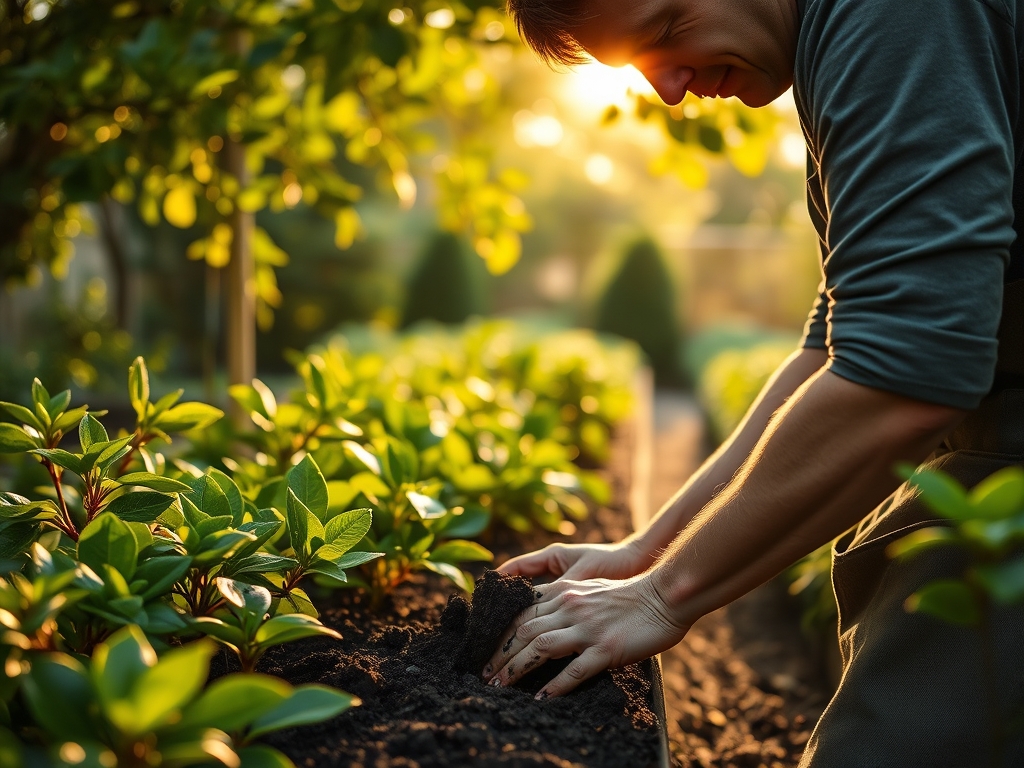
Dig a hole twice as wide as the root ball but no deeper. Use a hori-hori knife to gently score the sides of the root ball if the roots have begun to spiral. Position the tree so the root flare is slightly visible at the surface. Backfill with your friable loam, tamping down firmly but not aggressively to remove large air pockets without crushing the soil structure.
Pro-Tip: Water the tree immediately after backfilling. Biological Why: This uses hydraulic pressure to settle the soil particles against the roots, eliminating "dead zones" and ensuring immediate capillary action for water transport.
Establishing
During the first 12 to 18 months, the tree is in the establishment phase. It must prioritize root and structural development over fruit production. If the tree attempts to flower during the first year, pinch off the buds. This redirects the plant's energy from reproductive sinks back into the vegetative framework.
Pro-Tip: Maintain a mulch layer of 2 to 3 inches of organic matter, keeping it 4 inches away from the trunk. Biological Why: Mulch encourages mycorrhizal symbiosis, where beneficial fungi extend the reach of the root system to improve phosphorus uptake.
The Clinic:
Physiological disorders often mimic infectious diseases but are usually the result of environmental stress or chemical imbalances.
- Symptom: Yellowing of older leaves while veins remain green.
- Solution: This is Magnesium deficiency. Apply a foliar spray of Epsom salts (magnesium sulfate) at a rate of 1 tablespoon per gallon of water.
- Symptom: Leaf curling and distorted new growth.
- Solution: Often caused by extreme temperature fluctuations or moisture stress. Check the soil with a soil moisture meter; it should read in the "moist" range, not "wet."
- Symptom: Fruit splitting before maturity.
- Solution: This indicates erratic irrigation. The internal pulp expands faster than the rind can grow. Maintain a consistent watering schedule to stabilize internal turgor.
Fix-It for Nitrogen Chlorosis: If the entire leaf turns a pale lime green, the tree lacks nitrogen. Apply a high-nitrogen liquid fertilizer (e.g., 5-1-1 fish emulsion) to provide an immediate boost to chlorophyll production.
Maintenance:
Precision is the hallmark of a master gardener. Dwarf citrus requires 1.5 inches of water per week delivered at the drip line, which is the perimeter of the tree's canopy. Use a soil moisture meter to verify that the moisture has penetrated at least 8 inches deep.
Pruning should be minimal. Use bypass pruners to remove "suckers" (growth emerging from below the graft union) and "water sprouts" (vigorous vertical shoots that sap energy). Always sanitize your tools with 70 percent isopropyl alcohol between cuts to prevent the transfer of pathogens. Monitor the tree for salt buildup if you are growing in a container; flush the pot with clear water until it runs freely from the drainage holes once every three months to reset the electrical conductivity (EC) of the soil.
The Yield:
Harvesting dwarf citrus is a matter of sugar accumulation rather than color change. Many citrus varieties turn orange or yellow due to cool night temperatures, not ripeness. To determine if the fruit is ready, perform a "heft test." A ripe fruit feels heavy for its size, indicating high juice content.
Use bypass pruners to clip the fruit from the branch, leaving a small piece of the pedicel (stem) attached. Pulling the fruit by hand can tear the rind, leading to rapid desiccation and decay. For day-one freshness, store the fruit at 45 to 50 degrees Fahrenheit with high humidity. This slows the respiration rate and preserves the volatile oils in the zest.
FAQ:
How much sun do dwarf citrus trees need?
Dwarf citrus requires a minimum of 8 to 12 hours of direct sunlight daily. Insufficient light leads to "leggy" growth, poor fruit set, and increased susceptibility to physiological stress. Use supplemental LED grow lights if growing indoors.
Why are the leaves on my citrus tree falling off?
Sudden leaf drop is usually a reaction to environmental shock, such as a rapid temperature change or over-watering. Ensure the soil is well-drained and the tree is protected from cold drafts or dry heater vents.
When should I fertilize my dwarf citrus?
Apply fertilizer during the active growing season, from late winter through early autumn. Divide the total annual nitrogen requirement into three or four applications to ensure a steady supply of nutrients to the rhizosphere.
Can I grow dwarf citrus in a pot?
Yes, dwarf citrus thrives in containers of at least 15 to 20 gallons. Ensure the pot has excellent drainage and use a lightweight, professional-grade potting mix to maintain the necessary oxygen levels for the root system.