10 Basic Ways How to Plant Cherry Trees
The scent of damp, mineral-rich earth signals the start of the planting window for Prunus avium. Success depends on the turgor pressure within the sapling; a hydrated vascular system ensures the cambium layer remains active during the transition to the field. Learning how to plant cherry trees requires more than digging a hole. It demands an understanding of soil physics and the metabolic requirements of a species that thrives on drainage and high solar radiation.
Establishing a cherry orchard involves managing the rhizosphere to prevent root hypoxia. You must select a site with a minimum of eight hours of direct sunlight to drive the photosynthetic processes required for fruit production. The soil must be deep and porous to accommodate the extensive lateral root system that develops within the first three years. If the ground remains saturated for more than forty-eight hours, the tree will likely succumb to root rot or fungal pathogens. Precision in the initial planting phase dictates the longevity and yield of the specimen for decades.
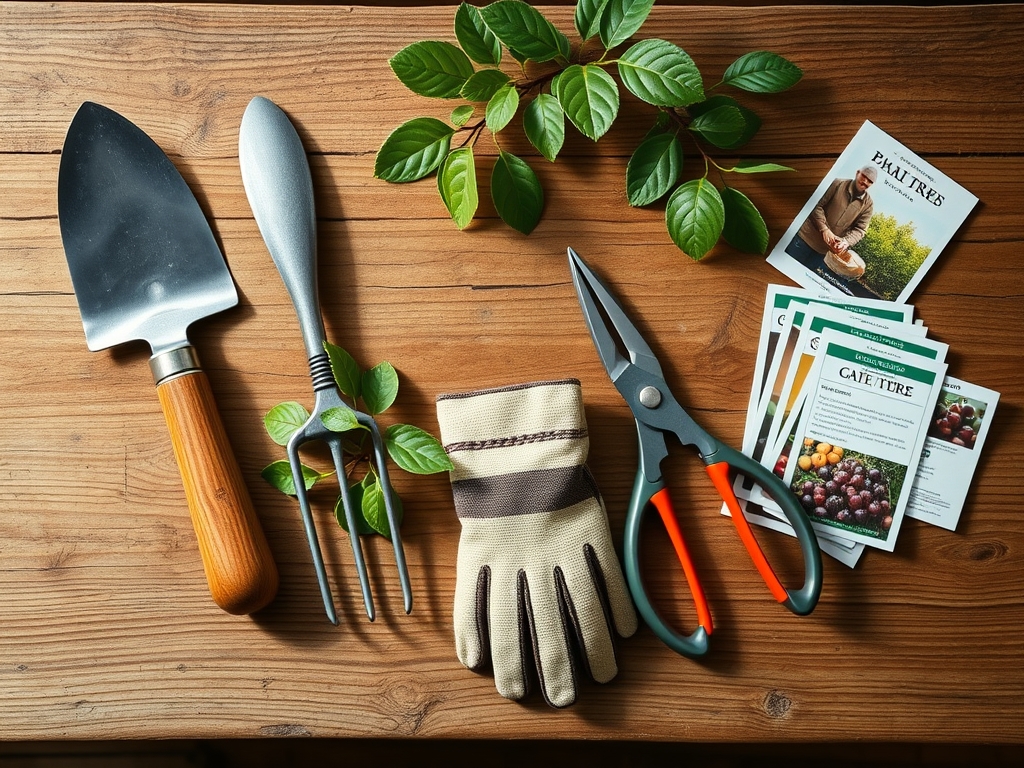
Materials:
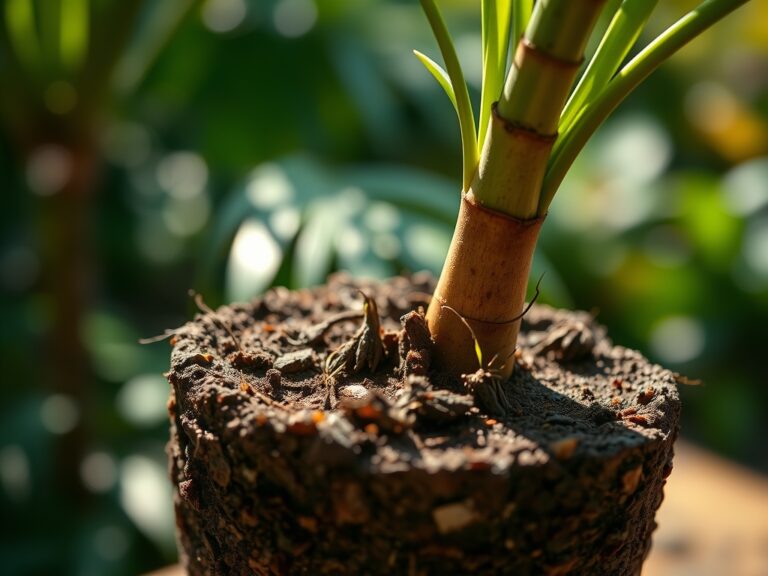
The substrate must be a friable loam with a pH level between 6.0 and 7.0. Soils with a high Cation Exchange Capacity (CEC) are preferable as they retain essential nutrients like calcium and magnesium against leaching. Avoid heavy clays that restrict gas exchange in the root zone.
For the initial planting, utilize a low-nitrogen starter fertilizer to prevent excessive vegetative growth at the expense of root establishment. An NPK ratio of 5-10-10 is ideal for the first season. You will also need:
- Sulfur or lime to adjust pH based on initial soil tests.
- Organic compost with a C:N ratio of 30:1 to improve soil structure.
- A soil moisture meter to monitor the tension of the water in the root zone.
- Mycorrhizal inoculant to enhance phosphorus uptake through symbiotic fungal networks.
Timing:
Cherry trees are most successful when planted during their dormant phase, typically in late winter or very early spring before the buds break. This timing aligns with USDA Hardiness Zones 4 through 7 for most sweet varieties; sour cherries can often tolerate the colder conditions of Zone 3. The soil temperature must be at least 40 degrees Fahrenheit to allow for minimal root activity without triggering premature leaf flush.
The biological clock of the cherry tree is governed by "chilling hours," which are the cumulative hours between 32 and 45 degrees Fahrenheit required to break endodormancy. Sweet cherries generally require 700 to 1,100 chilling hours. Planting during the transition from vegetative to reproductive stages ensures the tree focuses its first year of energy on structural integrity rather than fruit production.
Phases:

Sowing and Selection
Most growers purchase grafted saplings rather than sowing seeds, as cherries do not grow true to seed. Select a one-year-old whip with a diameter of at least 0.5 inches. Ensure the graft union is healed and free of necrotic tissue.
Pro-Tip: Inspect the root system for circling roots. Pruning these back stimulates auxin suppression in the tips, which triggers the growth of lateral feeder roots into the surrounding soil profile.
Transplanting
Excavate a hole twice as wide as the root ball but no deeper. The goal is to set the tree so the graft union sits 2 inches above the soil line. Backfill with native soil mixed with 20 percent compost. Do not add high-nitrogen fertilizer directly into the hole, as this can cause salt burn on sensitive root hairs.
Pro-Tip: Water the hole before backfilling. This utilizes capillary action to ensure the lower soil strata are saturated, preventing the dry "wicking" effect that can dehydrate new roots.
Establishing
After backfilling, apply a 3-inch layer of wood chip mulch in a circle around the base, keeping it 4 inches away from the trunk. This regulates soil temperature and reduces evaporation. Stake the tree only if the site is prone to high winds, using flexible ties to allow for "trunk taper" development.
Pro-Tip: Maintain the apical dominance during the first year. Pruning the central leader too early can disrupt phototropism, leading to a weak branching structure that cannot support heavy fruit loads later.
The Clinic:
Physiological disorders often mimic nutrient issues. Use this diagnostic guide to identify and correct problems.
- Symptom: Yellowing of older leaves with green veins (Interveinal Chlorosis).
- Solution: This indicates a Manganese or Iron deficiency, often caused by high soil pH. Apply chelated minerals to the soil to lower the pH and increase nutrient availability.
- Symptom: Gummy, amber-colored sap oozing from the bark (Gummosis).
- Solution: This is a stress response to mechanical injury or poor drainage. Improve soil aeration and avoid wounding the trunk with lawn equipment.
- Symptom: Stunted growth and "cupped" new leaves.
- Solution: Check for Calcium deficiency. Ensure consistent irrigation, as calcium is moved through the plant via the transpiration stream.
Fix-It for Nitrogen Chlorosis: If the entire leaf turns pale green or yellow, apply a 10-10-10 fertilizer at a rate of 0.10 pounds of actual nitrogen per year of tree age.
Maintenance:
Precision irrigation is the cornerstone of cherry tree health. Provide 1.5 inches of water per week delivered at the drip line. Use a soil moisture meter to ensure the top 12 inches of soil are moist but not saturated. Over-watering leads to lenticel hypertrophy, where the bark pores swell and allow pathogens to enter.
Use a hori-hori knife to remove weeds within a 3-foot radius of the trunk to eliminate competition for nutrients. Annual pruning should be performed with bypass pruners during the dormant season to maintain an open-center or central-leader shape. This increases airflow through the canopy, reducing the humidity that fosters fungal growth.
The Yield:
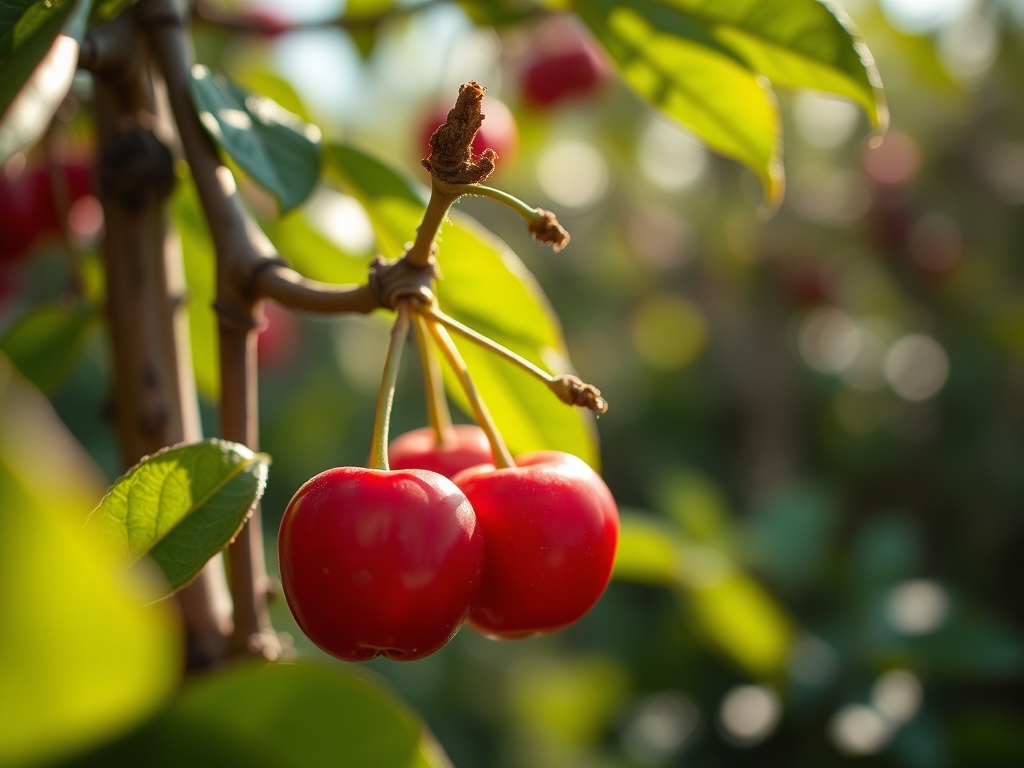
Harvesting occurs when the fruit reaches its full color and the soluble solids (sugar content) are at their peak. For sweet cherries, the fruit should be firm and the stems green. Use a "twist and pull" motion to keep the stem attached to the fruit; removing the stem creates a wound that accelerates senescence and rot.
Post-harvest handling is critical for "day-one" freshness. Immediately move the fruit into a cold storage environment at 32 to 34 degrees Fahrenheit with 90 percent humidity. This slows the respiration rate of the fruit, preserving the turgor and flavor for up to two weeks.
FAQ:
How deep should I plant a cherry tree?
Plant the tree so the topmost roots are just below the soil surface. Ensure the graft union remains 2 inches above the ground to prevent the scion from developing its own roots and bypassing the rootstock benefits.
How much sun do cherry trees need?
Cherry trees require a minimum of 8 hours of full sun daily. Insufficient light reduces the rate of photosynthesis, leading to poor fruit set, weak wood, and increased susceptibility to fungal pathogens in the canopy.
When is the best time to fertilize?
Apply fertilizer in early spring before the buds break. Avoid late-summer fertilization, as this stimulates new growth that will not have time to harden off before the first frost, leading to significant winter kill.
Do I need two trees for pollination?
Most sweet cherries are self-incompatible and require a different variety for cross-pollination. Sour cherries are typically self-fertile. Always verify the pollination group of your specific cultivar before planting to ensure a successful fruit yield.