6 Alcohol-Based Steps to Treat Mealybugs Safely
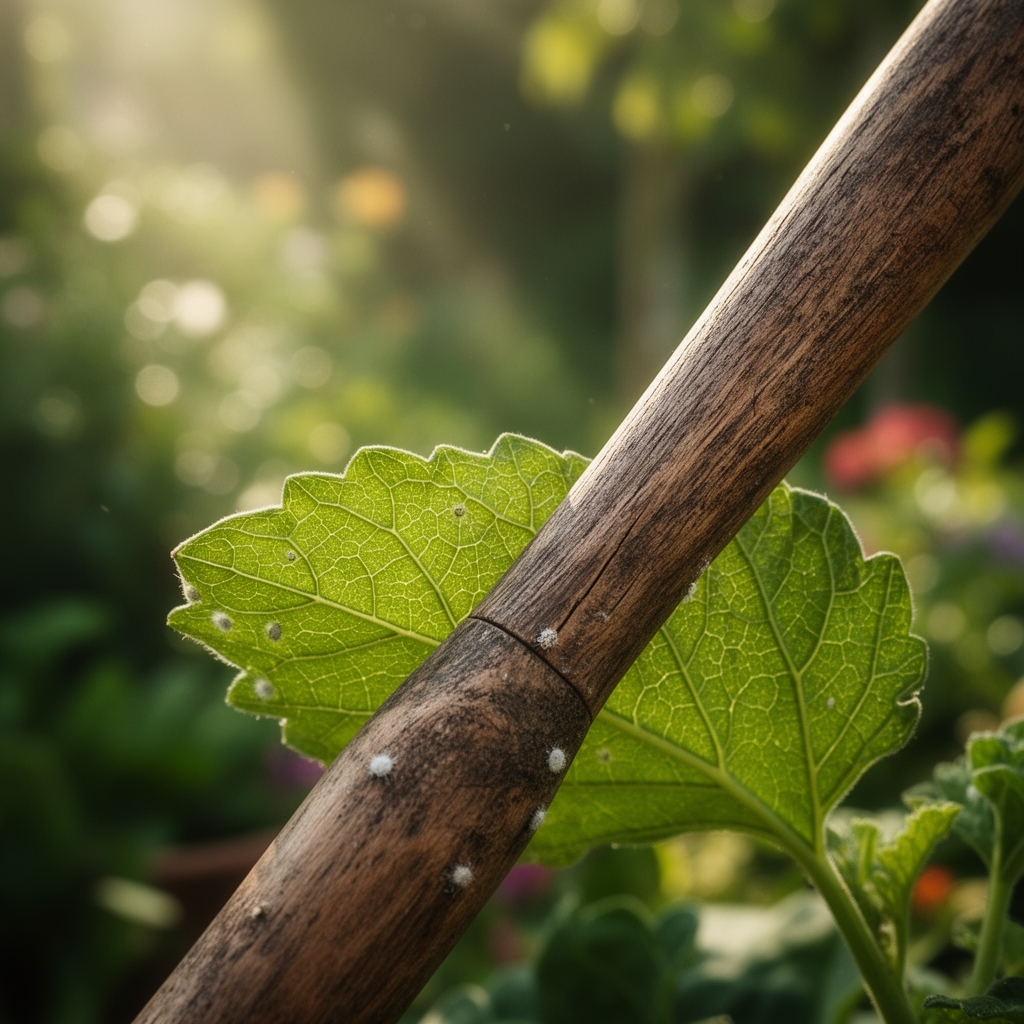
Mealybugs cluster in the axils of succulent leaves like cotton-white tumors, draining sap and secreting honeydew that invites sooty mold. The insect's waxy coating repels water-based sprays, but isopropyl alcohol dissolves this protective layer on contact. Steps for treating mealybugs with rubbing alcohol offer a non-systemic intervention that leaves no persistent residue in plant tissues, making it suitable for edible crops and ornamentals alike. The method targets all life stages, from crawlers to egg sacs, without disrupting mycorrhizal fungi in the rhizosphere.
Materials
Isopropyl Alcohol (70% Solution)
Higher concentrations evaporate too rapidly for thorough penetration. The 70% formulation maintains surface contact for 15-20 seconds, sufficient to breach the mealybug's epicuticular wax layer.
Distilled Water (pH 6.5-7.0)
Tap water containing chloramine or high mineral content may cause phytotoxic spotting when combined with alcohol. Distilled water ensures neutral pH and prevents calcium carbonate deposits on leaf surfaces.
Liquid Castile Soap (0-0-0)
A surfactant reduces surface tension, allowing the alcohol solution to spread across hydrophobic leaf cuticles. Use 1 teaspoon per quart of diluted mixture. Avoid detergents containing sodium lauryl sulfate, which can disrupt the cation exchange capacity of potting media.
Cotton Swabs and Spray Bottle
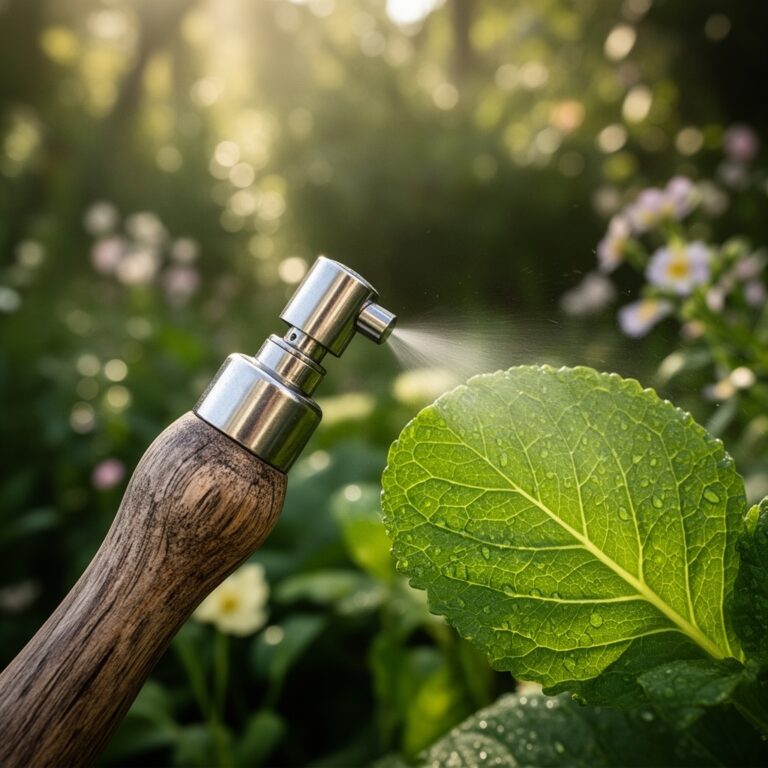
Swabs allow targeted application to individual insects. A fine-mist sprayer (not aerosol) delivers even coverage without mechanical damage to trichomes or stomata.
Neem Oil Emulsion (Optional, 3-0.5-0)
For follow-up treatments, neem provides residual azadirachtin that disrupts insect molting. Apply 7 days after alcohol treatment to avoid leaf burn from compounded solvent exposure.
Timing
Hardiness Zone Considerations
Indoor treatments proceed year-round, but outdoor applications must account for temperature. Apply alcohol solutions when ambient temperatures range between 60-75°F (Zones 5-9 spring and fall windows). Above 80°F, rapid evaporation reduces contact time and increases risk of desiccation injury to host plants.
Frost-Date Synchronization
In temperate climates, inspect outdoor plantings 2 weeks after last spring frost, when overwintering mealybug populations emerge from bark crevices. Repeat inspections every 10 days through first fall frost. Egg-to-adult development completes in 30 days at 70°F, necessitating multi-generational monitoring.
Circadian Application Window
Treat during early morning or late afternoon. Stomata close during peak midday heat, reducing internal translocation of phytotoxic compounds. Evening applications allow 8-12 hours of drying time before dew formation rehydrates treated surfaces.
Phases

Phase 1: Isolation and Assessment (Days 1-2)
Remove infested plants from healthy specimens to prevent crawler migration. Mealybug nymphs travel up to 3 feet within 48 hours. Examine leaf undersides, petiole junctions, and soil surface with a 10x hand lens. Document colony density: light (fewer than 10 insects per leaf), moderate (10-50), or heavy (confluent masses with sooty mold).
Pro-Tip: Check root collars of woody plants. Root mealybugs form distinct subterranean colonies that require soil drench treatments with 1:3 alcohol-to-water ratio applied directly to the root zone.
Phase 2: Direct Application (Days 3-10)
Mix 1 part 70% isopropyl alcohol with 1 part distilled water. Add 1 teaspoon castile soap per quart. For spot treatment, dip cotton swabs in undiluted 70% alcohol and press against individual insects for 3-5 seconds. The exoskeleton will darken and collapse. For widespread infestations, spray all plant surfaces until runoff, ensuring penetration into leaf whorls and stem nodes.
Wait 3 days between applications. Alcohol disrupts auxin distribution in meristematic tissues, and excessive treatments cause chlorosis in new growth. Three applications at 72-hour intervals eliminate 90-95% of active populations.
Pro-Tip: Tilt plants at 45-degree angles during spraying to reach ventral leaf surfaces where egg sacs adhere. Gravity assists solution flow into cryptic habitats.
Phase 3: Monitoring and Prevention (Days 11-30)
Inspect plants every 5 days for 4 weeks. Newly hatched crawlers appear as mobile white specks. Treat immediately with swab application to prevent re-establishment. Introduce predatory beetles (Cryptolaemus montrouzieri) at a ratio of 5 beetles per moderately infested plant. Larvae consume up to 250 mealybugs during development.
Increase air circulation to reduce humidity below 60%, which inhibits egg hatch rates. Prune overcrowded foliage to eliminate honeydew-coated surfaces that attract secondary pests.
Pro-Tip: Apply a 2-inch layer of horticultural sand around the base of containerized plants. Crawlers cannot traverse fine silica particles, creating a physical barrier that isolates aerial colonies.
Troubleshooting
Symptom: White Residue After Treatment
Solution: Soap concentration exceeds 1 teaspoon per quart. Rinse foliage with plain distilled water 24 hours post-application. Excessive surfactant clogs stomata, reducing photosynthetic efficiency by 15-20%.
Symptom: Brown Leaf Margins
Solution: Alcohol concentration too high or applied in direct sunlight. Dilute to 1:2 ratio (alcohol to water) for thin-leaved species like ferns and calatheas. Move plants to shade 2 hours before and after treatment.
Symptom: Recurring Infestations After Multiple Treatments
Solution: Egg sacs embedded in bark fissures survive alcohol contact. Scrape rough bark with a soft brush dipped in alcohol. Treat soil surface with 1:4 alcohol drench to eliminate root-feeding populations.
Symptom: Stunted New Growth Post-Treatment
Solution: Alcohol absorbed through cuticle interferes with gibberellin synthesis. Reduce frequency to single weekly applications. Foliar feed with kelp extract (0-0-1) to restore cytokinin balance and promote apical meristem recovery.
Symptom: Ants Trailing to Treated Plants
Solution: Ants farm mealybugs for honeydew. Apply diatomaceous earth in a 6-inch band around pot perimeters. Physical abrasion to ant exoskeletons interrupts mutualism, reducing mealybug survival rates by 40%.
Maintenance
Water plants thoroughly 24 hours before alcohol treatment. Hydrated tissues tolerate solvent exposure better than drought-stressed cells. Maintain soil moisture at field capacity during active treatment phases.
Provide 1 inch of water per week for outdoor specimens, adjusting for precipitation. Indoor plants in 6-inch pots require 12-16 ounces every 5-7 days, depending on substrate composition and transpiration rates.
Fertilize 2 weeks after final alcohol application. Use a balanced 10-10-10 water-soluble formula at half-strength to avoid salt accumulation in recovering root systems. Excess nitrogen promotes succulent growth that attracts new mealybug colonization.
Inspect new plant acquisitions for 21 days in quarantine. Mealybug eggs incubate for 10-14 days. Three weeks ensures detection before introducing potential vectors to established collections.
FAQ
Can I use 91% isopropyl alcohol instead of 70%?
Dilute 91% solution with equal parts distilled water. Undiluted high-concentration alcohol causes immediate cellular plasmolysis in tender plant tissues, resulting in necrotic lesions within 12 hours.
How long does alcohol remain effective on plant surfaces?
Isopropyl alcohol volatilizes completely within 5-10 minutes, leaving no residual insecticidal activity. Reapplication is necessary for new crawler emergence from untreated eggs.
Will alcohol harm beneficial insects?
Alcohol kills on contact without discrimination. Apply targeted spot treatments rather than broadcast sprays to preserve ladybugs, lacewings, and parasitic wasps in outdoor environments.
Can I treat edible plants with this method?
Yes. Alcohol evaporates fully, leaving no consumable residue. Rinse fruits and vegetables with water before harvest as standard practice to remove any soap traces.
Why do mealybugs return after successful treatment?
Overlooked egg masses, infested neighboring plants, or contaminated potting tools reintroduce populations. Sterilize pruning shears with 70% alcohol between cuts. Inspect all plants within 10 feet of treated specimens.