8 Steps to Prepare a Garden Summerhouse Site
Learning how to prepare a garden for a summerhouse transforms raw soil into a stable foundation that supports both structure and surrounding plantings. The scent of turned earth, the scratch of gravel underfoot, and the precise lines of a leveled pad signal the beginning of a project that merges construction with horticulture. Proper site preparation prevents subsidence, controls drainage, and establishes microclimatic conditions that allow perennials and shrubs to thrive at the building's perimeter.
Materials
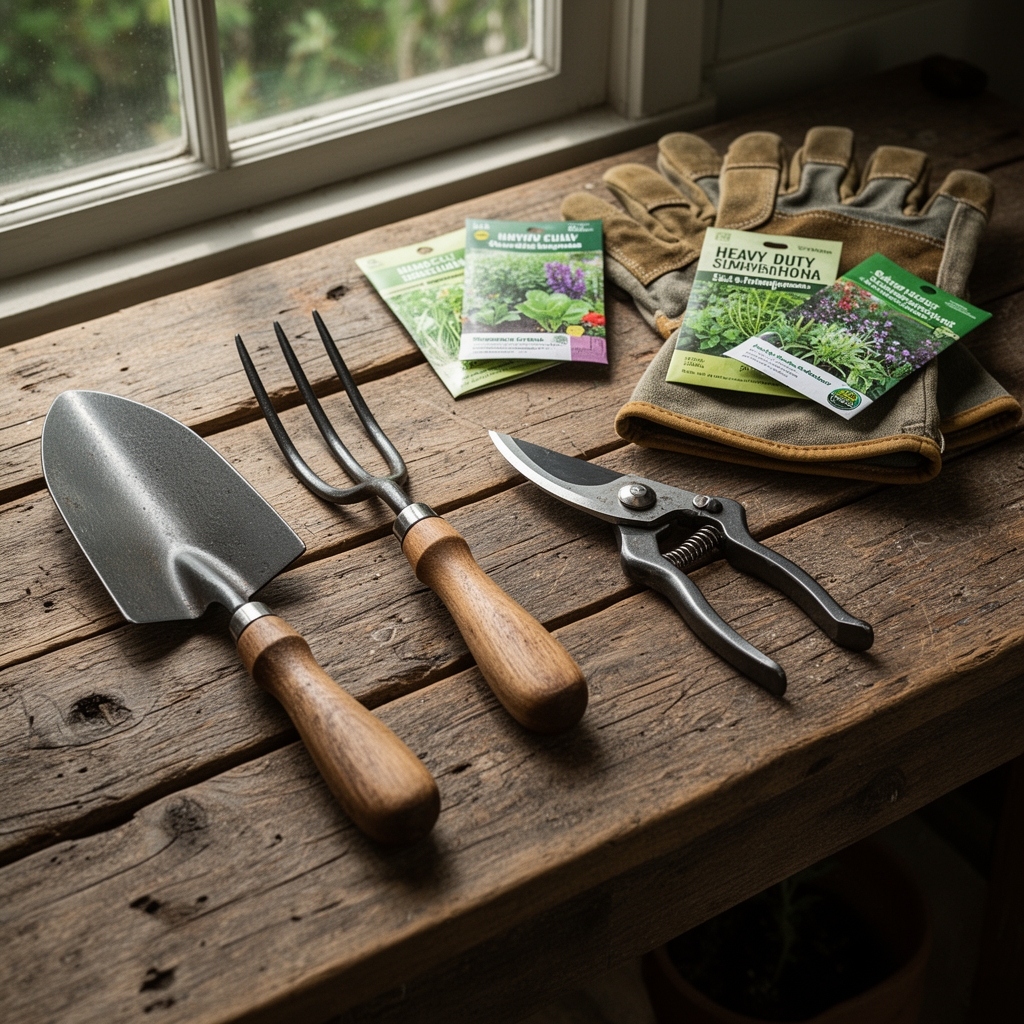
Gather materials that address both structural stability and soil chemistry. For base layers, source 4 to 6 inches of crushed limestone aggregate (3/4-inch minus) to compact into a load-bearing pad. Overlay this with 2 inches of sharp sand to fill voids and lock stones in place. Amend perimeter beds with compost aged for 12 months, targeting a C:N ratio below 20:1 to avoid nitrogen immobilization. Apply a balanced organic fertilizer at 4-4-4 NPK, broadcasting 2 pounds per 100 square feet. Test soil pH; if below 6.0, incorporate dolomitic lime at 5 pounds per 100 square feet to raise the cation exchange capacity and improve calcium availability. For clay soils, add perlite or coarse sand at a 1:3 ratio to enhance drainage without sacrificing nutrient retention.
Timing
Schedule site preparation according to USDA Hardiness Zone and seasonal moisture patterns. In Zones 5 through 7, begin work in late April once soil temperature at 4 inches reaches 50°F and surface moisture allows equipment to pass without creating ruts. Avoid periods of active freeze-thaw cycles; frost heave can destabilize compacted aggregate. In Zones 8 and 9, prepare sites from late February through March before spring rains saturate subsoil. Complete pad compaction and perimeter planting by the last frost date to allow root establishment before summer heat stress. Fall preparation (September through October in northern zones) permits overwintering settlement but delays construction until the following spring.
Phases

Sowing (Site Clearance and Excavation)
Mark the footprint with stakes and mason's line, extending 18 inches beyond the summerhouse perimeter to accommodate gravel apron and plantings. Strip turf and organic mat to a depth of 6 inches using a flat spade or sod cutter. Excavate another 4 inches into subsoil, checking for uniform depth with a laser level. Remove roots larger than 1/2 inch diameter to prevent decomposition voids. Rake the base smooth and compact with a plate compactor in two passes at 90-degree angles. Pro-Tip: Apply a geotextile fabric over compacted subsoil to prevent aggregate migration into clay layers and reduce long-term settling.
Transplanting (Base Construction)
Spread crushed limestone aggregate in 2-inch lifts, compacting each layer to 95 percent standard Proctor density before adding the next. Measure compaction with a nuclear density gauge or dynamic cone penetrometer if the structure exceeds 120 square feet. Maintain a 2-percent slope away from the summerhouse center to direct runoff toward perimeter drains. Top with sharp sand, screeding to a uniform 2-inch depth. Moisten sand lightly and compact to lock particles. Pro-Tip: Install a French drain along the downslope edge, using 4-inch perforated PVC wrapped in filter fabric and surrounded by 3/4-inch drainage rock, to intercept subsurface water before it reaches the foundation.
Establishing (Perimeter Planting)
Amend soil within the 18-inch border to create a transition zone between hardscape and garden. Incorporate 3 inches of compost, tilling to a depth of 8 inches to encourage lateral root expansion. Broadcast 4-4-4 organic fertilizer and rake smooth. Plant low-growing perennials such as creeping thyme (Thymus serpyllum) or ajuga (Ajuga reptans) to soften the gravel edge. Space transplants 12 inches apart to achieve 80 percent cover by the second season. Water each plug with a diluted mycorrhizal fungi inoculant (1 tablespoon per gallon) to colonize roots and extend nutrient uptake. Pro-Tip: Mulch beds with 1 inch of shredded hardwood bark to moderate soil temperature, suppress weeds, and promote auxin distribution in newly forming roots.
Troubleshooting
Symptom: Standing water on gravel pad after rainfall.
Solution: Check slope with a 4-foot level; regrade to achieve 2-percent fall. If drainage remains poor, retrofit a channel drain along the low edge and connect to a dry well.
Symptom: Cracks in compacted aggregate within three months.
Solution: Insufficient compaction or freeze-thaw damage. Excavate affected section, re-compact in thinner lifts, and verify density before reinstalling sand cap.
Symptom: Perimeter plants yellowing and stunted.
Solution: Nitrogen tie-up from high-carbon mulch or compost. Side-dress with blood meal (12-0-0) at 1/2 cup per plant and water deeply.
Symptom: Weeds colonizing gravel surface.
Solution: Reapply geotextile if exposed, then top-dress with 1 inch of fresh aggregate. Hand-pull seedlings before tap roots penetrate fabric.
Symptom: Subsidence at one corner of pad.
Solution: Underground void or organic layer left during excavation. Lift structure, excavate 12 inches deeper, backfill with lean concrete, and rebuild base.
Maintenance
Inspect the summerhouse pad every spring for settling or erosion. Top-dress gravel annually with 1/2 inch of fresh aggregate to maintain surface integrity. Water perimeter plantings with 1 inch per week during the first growing season, tapering to 1 inch every 10 days once roots reach 8 inches deep. Apply a slow-release 5-10-10 granular fertilizer each April at 1 pound per 100 square feet to support flowering and foliage density. Prune encroaching shrubs to maintain 6 inches of clearance from siding to promote air circulation and reduce fungal pathogen pressure. Monitor French drain outflow after heavy rain; flush lines with a garden hose if flow slows.
FAQ
How deep should I excavate for a summerhouse foundation?
Remove 10 inches total: 6 inches of topsoil and organic matter, then 4 inches of subsoil. Backfill with 6 inches of compacted aggregate and 2 inches of sand.
Can I prepare the site in winter?
Avoid work when soil is frozen or saturated. Compaction is ineffective below 40°F, and equipment causes structural damage to wet clay.
What plants tolerate foot traffic near the door?
Creeping thyme, Irish moss (Sagina subulata), and low-growing sedums withstand moderate pressure and require minimal mowing.
How do I prevent the structure from sinking?
Compact aggregate to 95 percent density, use geotextile fabric, and ensure complete removal of organic layers during excavation.
Should I hire a professional for grading?
Sites with slopes exceeding 5 percent, clay subsoil, or structures over 150 square feet benefit from engineered grading and compaction testing.