6 Simple Steps to Grow Gooseberry Shrubs
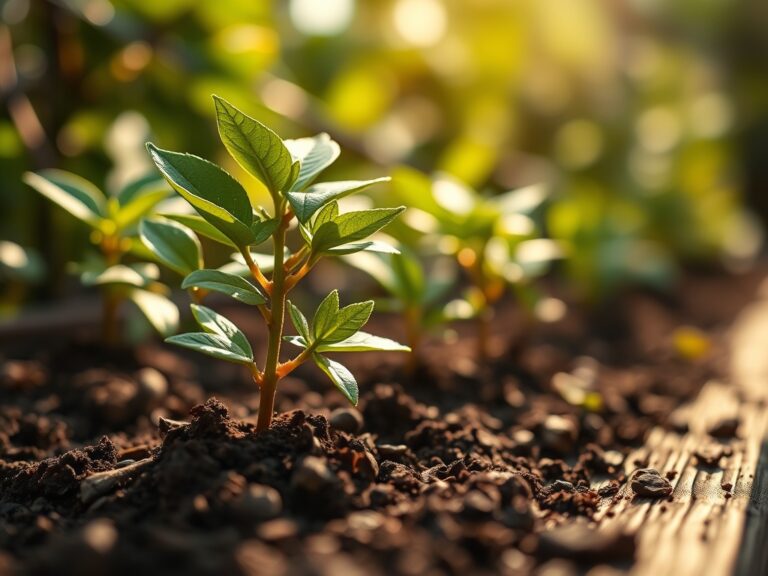
Crush a fresh leaf between your fingers and the scent is sharp; it is the smell of organic acids and high turgor pressure. A healthy Ribes uva-crispa specimen feels structural and resilient. Success in the orchard begins with understanding the specific steps to grow gooseberry shrubs through a lens of physiological demand. These plants are cold-hardy perennials that thrive in temperate climates. They require high nitrogen during the early vegetative phase and significant potassium during fruit set. To master this crop, you must manage the rhizosphere with precision. Soil temperature, moisture retention, and nutrient availability dictate whether the shrub merely survives or produces a heavy yield of translucent, tart fruit. You are not just planting a bush; you are managing a complex biological system that spans several years of development. By following these technical steps to grow gooseberry shrubs, you ensure the plant transitions efficiently from dormancy to active photosynthesis.
Materials:
Gooseberries require a **pH range between 6.0 and 6.8**. In soils with a pH above 7.0, iron becomes less available; this leads to interveinal chlorosis. The ideal substrate is a **friable loam** with high organic matter content to support a high Cation Exchange Capacity (CEC). This allows the soil to hold onto essential cations like Calcium (Ca2+) and Magnesium (Mg2+).
For the initial planting phase, prepare a fertilizer blend with an NPK ratio of 10-10-10 to support balanced root and shoot growth. As the plant matures, shift to a 5-10-15 ratio to prioritize fruit development over excessive leaf production. You will also need organic mulch, such as composted bark or straw, to maintain a consistent moisture profile. The physical texture of the soil must allow for rapid drainage while retaining enough moisture to prevent the desiccation of the shallow root system.
Timing:
Gooseberries are optimized for USDA Hardiness Zones 3 through 8. They require a significant chilling period; usually 800 to 1,000 hours below 45 degrees Fahrenheit; to break bud dormancy in the spring. The "Biological Clock" of the gooseberry is triggered by increasing day length and soil temperatures rising above 40 degrees Fahrenheit.
Planting should occur in late autumn or very early spring while the plant is still in its dormant state. This allows the root system to establish before the metabolic demands of leaf expansion begin. If you plant too late in the spring, the shrub will prioritize foliage via auxin-driven apical dominance at the expense of root establishment; this often results in heat stress during the first summer.
Phases:
Sowing and Propagation
Most growers start with one-year-old or two-year-old bare-root plants rather than seeds. If propagating from cuttings, use hardwood sections approximately 6 to 10 inches long taken during the dormant season. Treat the basal end with indole-3-butyric acid (IBA) to stimulate adventitious root formation.
Pro-Tip: Ensure at least two nodes are buried below the soil line. The Biological Why involves the concentration of undifferentiated meristematic cells at the nodes, which more easily transition from shoot tissue to root tissue when deprived of light and exposed to moisture.
Transplanting
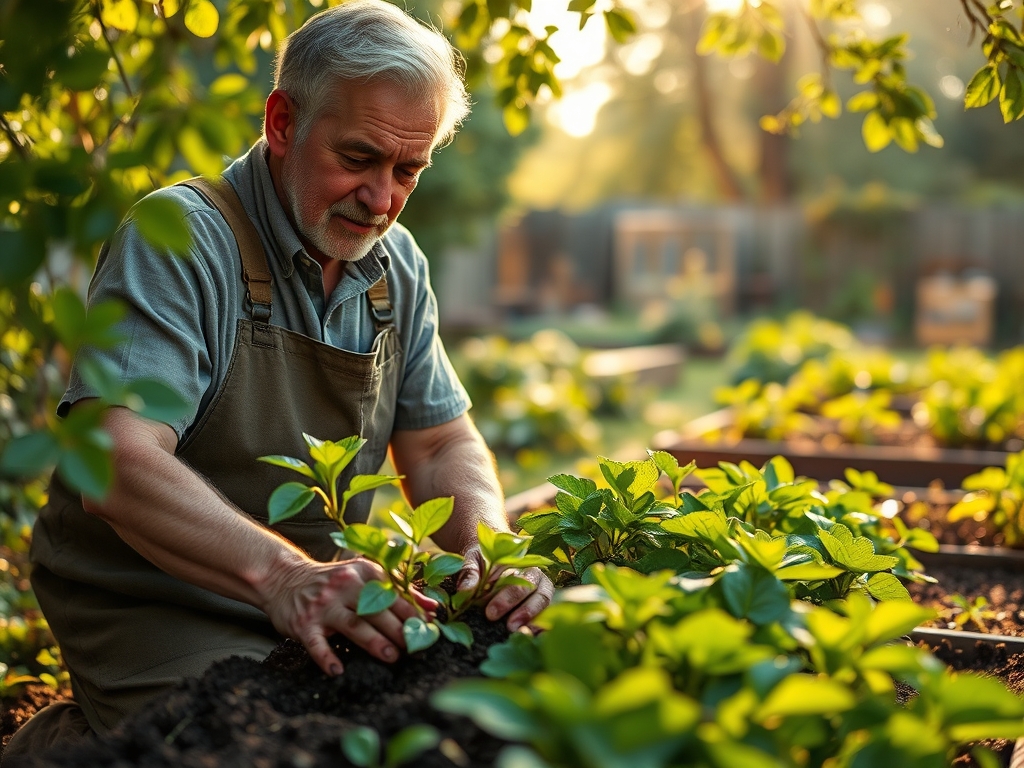
Dig a hole twice as wide as the root ball and just as deep. Spread the roots radially to prevent girdling. Backfill with the amended friable loam, ensuring there are no air pockets. Air pockets cause root desiccation and interrupt the mycorrhizal symbiosis necessary for phosphorus uptake.
Pro-Tip: Set the plant approximately 1 inch deeper than it sat in the nursery. The Biological Why is to encourage a multi-stemmed "stool" habit. This increases the surface area for new basal canes to emerge, which eventually replaces older, less productive wood.
Establishing
During the first growing season, the focus is on structural integrity. Remove any flower initials to redirect the plant's energy toward biomass production. Maintain a weed-free zone of at least 2 feet around the base to eliminate competition for nitrogen.
Pro-Tip: Apply a thick layer of organic mulch but keep it 3 inches away from the main stems. The Biological Why is to prevent crown rot caused by fungal pathogens like Phytophthora, which thrive in the high-moisture, low-oxygen environment created by mulch touching the bark.
The Clinic:
Monitoring physiological disorders is critical for long-term health.
- Symptom: Yellowing of older leaves while veins remain green.
Solution: This indicates Magnesium deficiency. Apply Epsom salts (magnesium sulfate) at a rate of 1 tablespoon per gallon of water as a soil drench. - Symptom: Small, pale leaves and stunted cane growth.
Solution: This is Nitrogen chlorosis. Increase the application of high-nitrogen organic matter or a 20-0-0 ammonium sulfate fertilizer in early spring. - Symptom: White, powdery coating on leaves and fruit.
Solution: This is Powdery Mildew. Improve airflow through aggressive pruning and apply a potassium bicarbonate spray to alter the leaf surface pH, making it inhospitable for fungal spores. - Symptom: Scorched leaf margins.
Solution: This usually indicates Potassium deficiency or salt burn. Flush the soil with fresh water and adjust the NPK ratio to favor K (Potassium).
Maintenance:
Precision irrigation is the backbone of gooseberry care. These shrubs require 1.5 inches of water per week delivered at the drip line. Use a soil moisture meter to ensure the root zone stays consistently damp but not saturated. Saturated soil leads to hypoxia, killing the fine root hairs responsible for nutrient absorption.
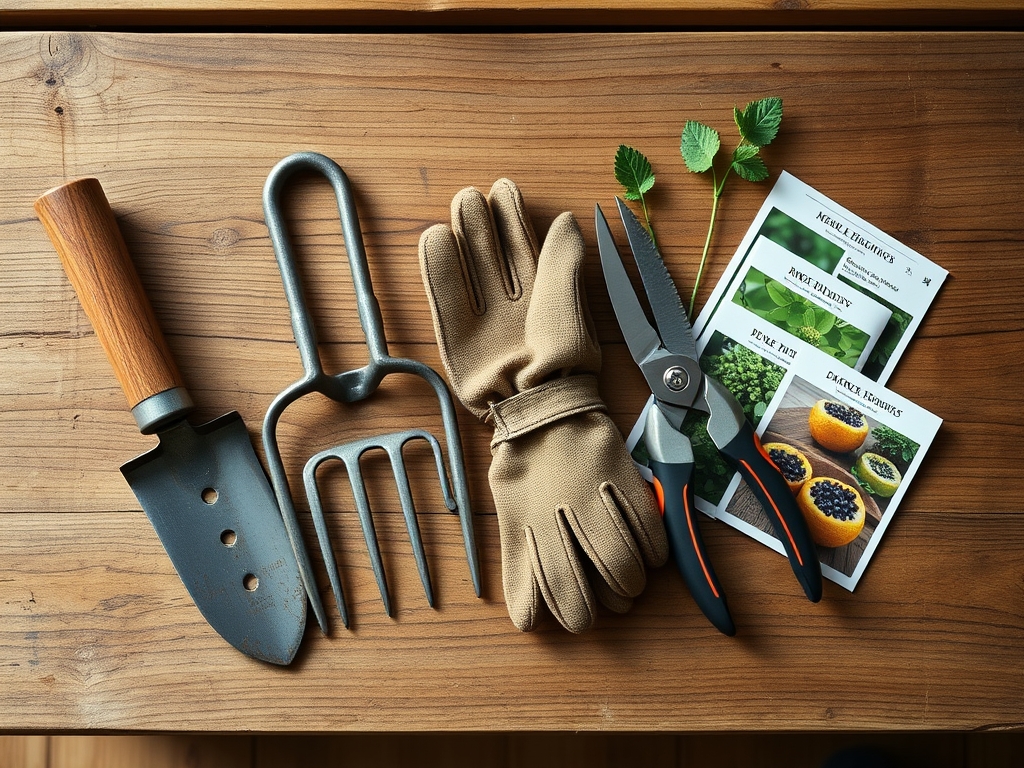
Pruning is a mandatory annual task. Use bypass pruners for clean cuts that heal quickly. Gooseberries fruit most heavily on two-year-old and three-year-old wood. Each winter, remove any wood older than four years to prevent senescence from reducing the overall yield. Use a hori-hori knife to remove any deep-rooted weeds that emerge near the crown without disturbing the shallow gooseberry roots.
The Yield:
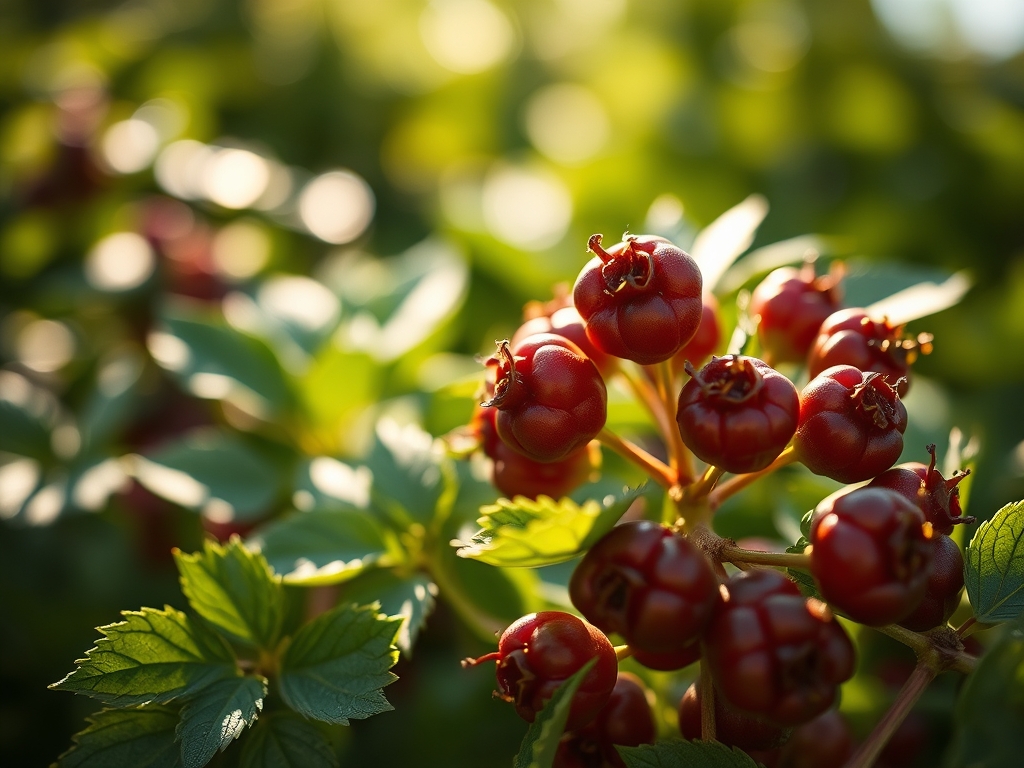
Harvest occurs in mid-to-late summer depending on the cultivar. For culinary use (pies and jams), harvest when the fruit is full-sized but still firm and tart. For fresh eating, wait until the fruit changes color; often to a deep red or soft yellow; and the berries feel slightly soft to the touch.
To maintain "day-one" freshness, harvest during the coolest part of the morning to preserve post-harvest turgidity. Place the berries immediately into a shallow container to prevent crushing. Store at 33 to 35 degrees Fahrenheit with high humidity. Properly cooled gooseberries will maintain their cellular integrity for up to two weeks.
FAQ:
How much sun do gooseberry shrubs need?
Gooseberries require full sun in cooler climates but benefit from afternoon shade in Zone 8. At least six to eight hours of direct sunlight is necessary to drive the sugar production required for fruit ripening and healthy glucose metabolism.
Why are my gooseberry leaves falling off in summer?
Premature leaf drop is often a stress response to drought or high temperatures. If the soil is dry, the plant enters a survival mode, shedding leaves to reduce transpiration. Maintain consistent moisture and use mulch to regulate soil temperature.
Do I need two different varieties for pollination?
Most gooseberry cultivars are self-fertile, meaning a single shrub can produce fruit. However, cross-pollination between two different varieties often results in higher fruit sets and larger individual berries due to increased genetic vigor during the fertilization process.
When is the best time to prune gooseberries?
Prune during the late winter dormancy period, before the buds begin to swell. This timing minimizes sap loss and allows the grower to clearly see the architecture of the shrub, making it easier to identify and remove diseased or crossing wood.