8 Citrus Steps to Prepare a Flowering Citrus Plant Shelf
Crush a leaf between your thumb and forefinger to release the sharp, oily scent of limonene. A healthy citrus specimen maintains high turgor pressure, evidenced by stiff, waxy foliage that resists wilting under high intensity discharge lamps. Learning how to prepare a plant shelf for citrus requires more than aesthetics; it demands a controlled microclimate where light, drainage, and nutrient availability intersect. You must engineer a vertical environment that mimics a Mediterranean or subtropical grove within a confined interior footprint.
Success depends on managing the rhizosphere within a restricted volume of substrate. Citrus plants are heavy feeders with sensitive root systems that fail in compacted or waterlogged media. By calculating the weight load of saturated pots and the heat output of full-spectrum LEDs, you create a stable foundation for fruit production. This guide outlines the technical requirements for building a high-performance citrus station that transitions a sapling from vegetative growth to a heavy flowering phase.
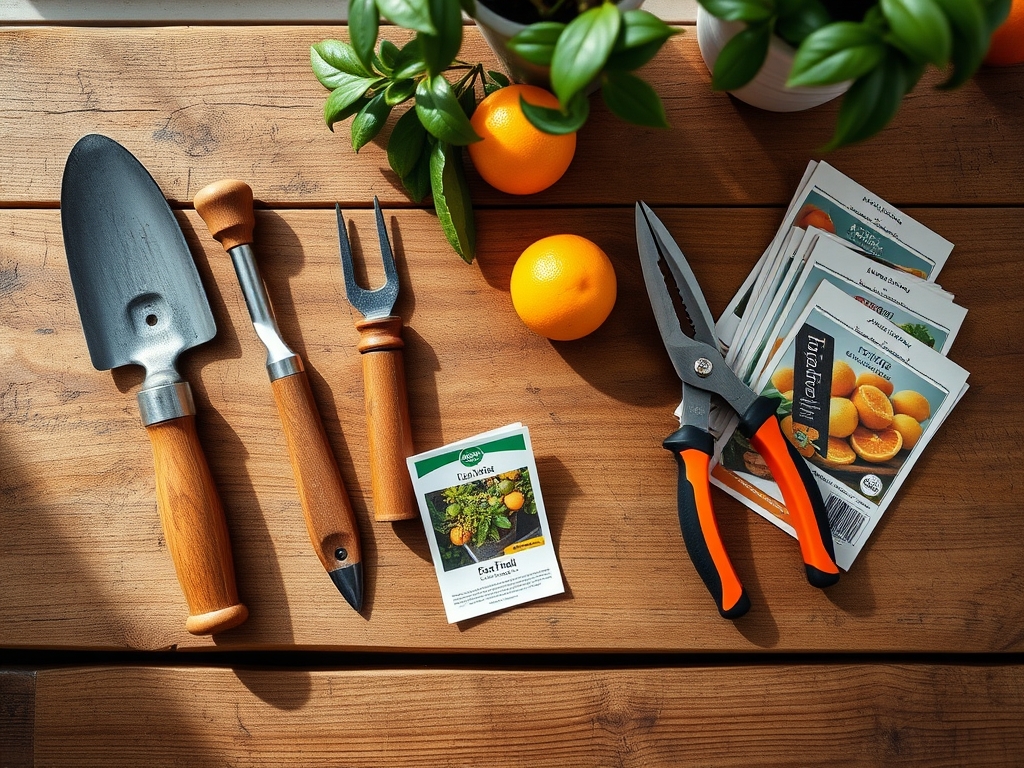
Materials:
The substrate is the most critical component of your shelf setup. Citrus requires a friable loam with high porosity to ensure oxygen reaches the root hairs. Aim for a soil pH between 5.5 and 6.5. If the pH climbs above 7.0, iron becomes chemically locked, leading to interveinal chlorosis.
For the initial potting mix, use a ratio of 2 parts composted pine bark, 1 part peat moss, and 1 part coarse perlite. This ensures a high Cation Exchange Capacity (CEC), allowing the roots to efficiently swap hydrogen ions for essential nutrients. Your nutrient regimen should follow specific NPK ratios based on the growth stage:
- Vegetative Phase: Use a 3-1-1 NPK ratio (e.g., 12-4-4) to drive leaf canopy development.
- Flowering and Fruiting Phase: Shift to a 2-1-3 NPK ratio (e.g., 10-5-15) to support blossom set and sugar translocation.
- Micronutrients: Ensure the presence of Chelated Iron, Manganese, and Zinc, as citrus is highly prone to these specific deficiencies in container environments.
Timing:
Citrus plants operate on a strict biological clock governed by temperature and photoperiod. While indoor shelves provide protection, you must align your shelf activities with the plant's natural rhythms. In Hardiness Zones 8 through 11, citrus can move outdoors in summer, but the shelf must be ready for the "indoor transition" at least two weeks before the first frost date.
The transition from vegetative growth to reproductive (flowering) stages is often triggered by a period of "cool stress" or slight drought. To induce flowering on your shelf, maintain daytime temperatures of 70 to 85 degrees Fahrenheit and drop nighttime temperatures to 55 to 60 degrees Fahrenheit for four to six weeks. This temperature differential signals the plant to shift auxin production, suppressing apical dominance and encouraging the development of lateral floral buds.
Phases:
Sowing and Seedling Development
Starting from seed is rarely recommended for fruit production due to genetic variability and long juvenile periods; however, for rootstock development, it is essential. Sow seeds at a depth of 0.5 inches in a sterile seed-starting mix. Maintain a constant soil temperature of 75 degrees Fahrenheit using a waterproof heat mat.
Pro-Tip: Monitor for phototropism by rotating pots 90 degrees every two days. This prevents the seedling from leaning toward the light source, which ensures a structurally sound trunk capable of supporting future fruit weight.
Transplanting to the Shelf
When the seedling or purchased graft reaches 6 to 8 inches in height, move it to its permanent shelf location. Use a pot that is only 2 inches wider than the current root ball. Oversized pots lead to "perched water tables," where the bottom of the soil stays anaerobic and rots the roots.
Pro-Tip: Inoculate the roots with Endomycorrhizal fungi during transplanting. This biological symbiosis expands the surface area of the root system, significantly increasing phosphorus uptake and drought resistance.
Establishing the Canopy
Once on the shelf, the focus shifts to structural pruning. Use a hori-hori knife to weed the surface and bypass pruners to remove any water sprouts (vigorous, thorny vertical shoots) that emerge from below the graft union.
Pro-Tip: Practice auxin suppression by pinching off the terminal buds of dominant branches. This redirects the plant's energy to lateral growth, creating a bushier, more compact specimen suited for limited shelf height.
The Clinic:
Physiological disorders in citrus often manifest as foliage discoloration. Identifying these early prevents permanent senescence of the fruiting wood.
- Nitrogen Deficiency: Symptoms include a general paling of the entire leaf, starting with older foliage. Fix-It: Apply a water-soluble high-nitrogen fertilizer (e.g., 30-10-10) at half strength.
- Iron Chlorosis: Symptoms include bright yellow leaves with distinct green veins. This usually indicates a pH imbalance. Fix-It: Lower the soil pH using elemental sulfur and apply Chelated Iron (EDDHA) for immediate absorption.
- Leaf Curl: This is often a sign of low humidity or underwatering. Citrus requires 50 percent or higher humidity. Fix-It: Place a pebble tray with water beneath the pots or use a dedicated humidifier on the shelf.
- Salt Burn: Brown, crispy leaf tips indicate a buildup of fertilizer salts. Fix-It: Flush the pot with distilled water equal to three times the volume of the container to leach the rhizosphere.
Maintenance:
Precision is the hallmark of a professional citrus shelf. Use a soil moisture meter to verify that the top 2 inches of soil are dry before adding water. On average, a citrus plant in a 5-gallon container requires approximately 1.5 inches of water per week, delivered directly to the soil surface to avoid wetting the trunk.
Clean the leaves monthly with a damp microfiber cloth. Dust accumulation blocks the stomata, reducing the rate of photosynthesis and gas exchange. Check the structural integrity of your shelf every quarter; a mature Calamondin or Meyer Lemon in a ceramic pot can weigh over 40 pounds when fully hydrated. Ensure your shelving units are rated for at least 100 pounds per linear foot to prevent catastrophic failure.
The Yield:
Harvesting citrus is a lesson in patience. Unlike stone fruit, citrus does not continue to ripen once removed from the branch. Use bypass pruners to snip the fruit, leaving a small piece of the peduncle (stem) attached; pulling the fruit by hand can tear the "button" and lead to rapid decay.
The fruit is ready when the rind achieves its full color and yields slightly to firm pressure. For "day-one" freshness, store harvested fruit at 45 to 50 degrees Fahrenheit in a high-humidity crisper drawer. Post-harvest, the plant enters a brief dormancy. Reduce fertilization by 50 percent during this period to allow the plant to recover before the next flush of growth.
FAQ:
How much light do citrus plants need on a shelf?
Citrus requires 8 to 12 hours of high-intensity light daily. Use full-spectrum LED grow lights positioned 6 to 12 inches above the canopy to provide a minimum of 1,000 foot-candles of light.
Why are my citrus blossoms falling off?
Premature blossom drop usually results from extreme temperature fluctuations or inconsistent watering. Ensure the shelf remains between 65 and 85 degrees Fahrenheit and maintain steady soil moisture to prevent the plant from aborting fruit.
Can I grow citrus from grocery store seeds?
You can, but the resulting plant may be sterile or produce inferior fruit. Most commercial citrus are grafted onto specific rootstocks for disease resistance and size control. Seed-grown plants can take 10 years to flower.
What is the best pot for a citrus shelf?
Terra cotta or unglazed ceramic pots are ideal because they are porous. This allows for better gas exchange in the rhizosphere and prevents the soil from remaining overly saturated, which protects against root rot pathogens.