9 Humidity-Boosting Steps for Treating Tropical Cold Shock
Turgor pressure defines the life of a tropical specimen. When a plant is healthy, its vacuoles are engorged with water, pressing against the cell walls to create a rigid, upright structure. Cold shock destroys this equilibrium. As temperatures drop below 55 degrees Fahrenheit, the metabolic rate of tropical flora slows, causing the stomata to malfunction and the cell membranes to lose their integrity. Recovering this lost vitality requires a precise sequence of environmental adjustments. Implementing these nine steps for treating cold shock with humidity ensures the plant can re-establish its internal hydraulic pressure before permanent cellular collapse or senescence occurs. This process is not about warmth alone; it is about managing the vapor pressure deficit to prevent the plant from transpiring more moisture than its chilled roots can currently replace. By stabilizing the atmosphere, you allow the rhizosphere to recover its function without the added stress of atmospheric drought.
Materials:
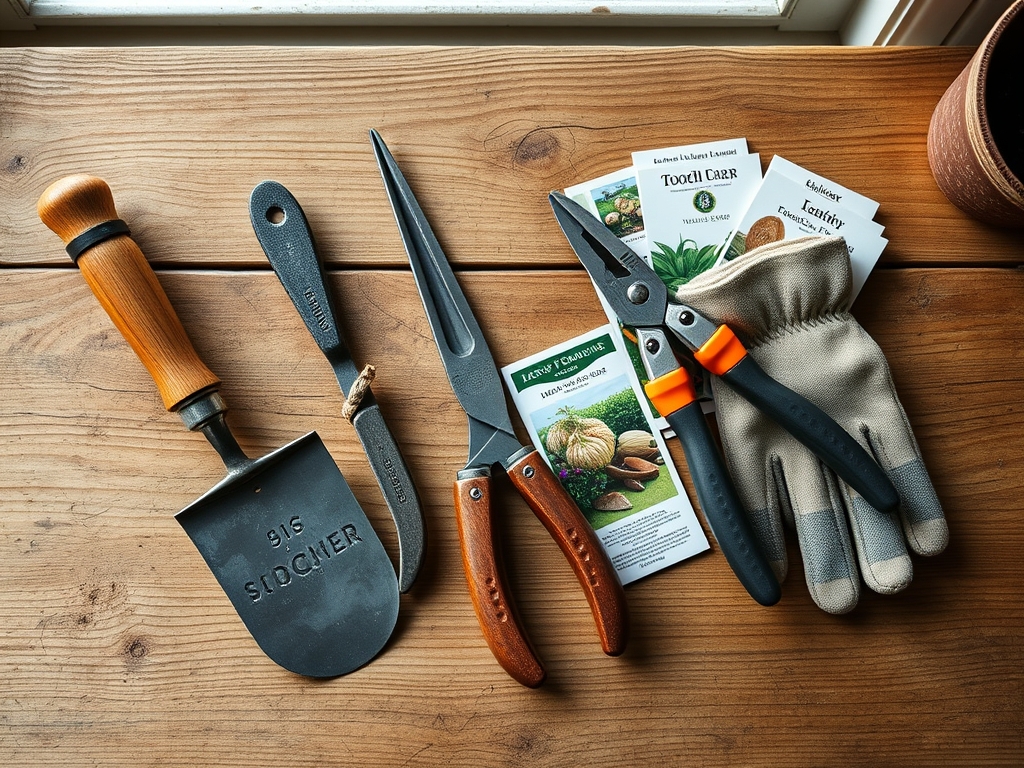
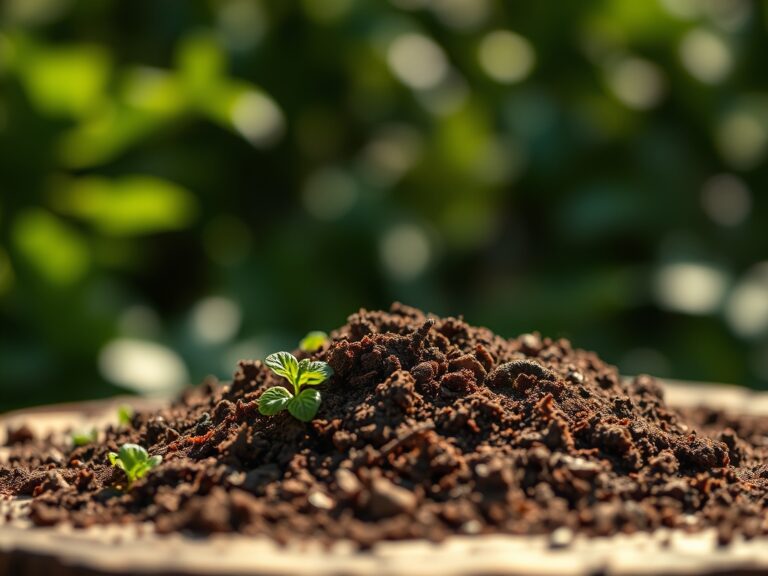
Recovery begins with a substrate that facilitates gas exchange while maintaining consistent moisture. The ideal medium is a **friable loam** consisting of **40 percent peat moss, 30 percent perlite, and 30 percent pine bark**. This mixture ensures a high Cation Exchange Capacity (CEC), allowing the plant to access vital ions as it repairs damaged tissue.
For nutrient support, use a water-soluble fertilizer with an NPK ratio of 7-9-5. This low-nitrogen, higher-phosphorus blend encourages root regeneration over rapid vegetative growth, which the plant cannot support during recovery. Maintain a soil pH between 5.8 and 6.2 to maximize the bioavailability of micronutrients like iron and manganese. You will also need a clear 4-mil polyethylene film to create a localized humidity chamber and a digital hygrometer to monitor the ambient moisture levels.
Timing:
Timing is dictated by USDA Hardiness Zones and the specific thermal limits of the species. Most tropicals (Zones 10 through 12) begin experiencing physiological distress when ambient temperatures sustain a drop below 50 degrees Fahrenheit. The recovery window is narrow; intervention must occur within 24 to 48 hours of the cold event.
The biological clock of the plant is currently in a state of "induced dormancy." During this phase, the transition from vegetative to reproductive stages is halted. You must avoid stimulating new growth until the plant has exited the shock phase. Monitor the local frost-date windows; do not move recovering plants back outdoors until nighttime lows consistently exceed 65 degrees Fahrenheit.
Phases:

Sowing and Initial Stabilization
If you are starting from seed or cuttings during a cold snap, use a bottom-heat mat set to exactly 72 degrees Fahrenheit. For established plants, the first phase involves moving the specimen to a "temperate zone" between 65 and 70 degrees Fahrenheit. Do not place the plant near a direct heat vent, as the forced air will plummet the humidity and exacerbate tissue desiccation.
Pro-Tip: Maintaining a consistent temperature prevents auxin suppression. Auxins are hormones that regulate cell elongation; cold shock halts their flow, leading to stunted growth. Gradual warming restarts this hormonal pump without causing "heat shock," which is a secondary risk for compromised tissues.
Transplanting and Root Assessment
If the cold shock was accompanied by overwatering (a common error), you must inspect the root system. Carefully remove the plant from its container using a hori-hori knife to loosen the edges. Healthy roots should be firm and white; translucent or mushy roots indicate fungal pathogens. Prune away necrotic tissue and repot into the friable loam described above.
Pro-Tip: Utilize a mycorrhizal inoculant during transplanting. This establishes a mycorrhizal symbiosis, where fungal filaments extend the surface area of the root system, significantly increasing the plant's ability to absorb water and phosphorus during its weakened state.
Establishing the Humidity Chamber
This is the core of the steps for treating cold shock with humidity. Enclose the plant in the polyethylene film, ensuring the plastic does not touch the foliage. Aim for a relative humidity of 75 to 85 percent. This high-moisture environment reduces the transpiration rate, allowing the plant to divert its limited energy toward cellular repair rather than water transport.
Pro-Tip: High humidity facilitates phototropism management. When a plant is under high humidity, its stomata remain open, allowing for efficient CO2 intake. This ensures that even under lower light conditions (necessary during recovery), the plant can maintain a baseline level of photosynthesis to fuel its recovery.
The Clinic:
Physiological disorders following a cold event require diagnostic precision.
- Symptom: Interveinal Chlorosis. The leaves turn yellow while the veins remain green.
- Solution: This indicates a lack of iron or magnesium uptake due to cold-induced root stasis. Apply a chelated iron foliar spray at a concentration of 0.1 percent to bypass the roots.
- Symptom: Epinasty (Downward Curving). Leaves appear wilted but are actually firm to the touch.
- Solution: This is a stress response to ethylene gas buildup. Increase ventilation within your humidity chamber for 20 minutes twice daily to flush the air.
- Symptom: Nitrogen Chlorosis. Uniform paling of older leaves.
- Fix-It: Apply a diluted 5-1-1 fish emulsion. This provides a gentle, organic source of nitrogen that won't burn the compromised root hairs.
- Symptom: Edema. Small blisters on the underside of leaves.
- Solution: This occurs when the plant takes up more water than it can transpire. Lower the humidity by 10 percent and ensure the soil is not waterlogged.
Maintenance:
Precision maintenance is the difference between recovery and rot. Use a soil moisture meter daily; do not water until the top 2 inches of the substrate feel dry. When watering, provide exactly 1.5 inches of water per week, directed at the drip line to avoid saturating the crown.
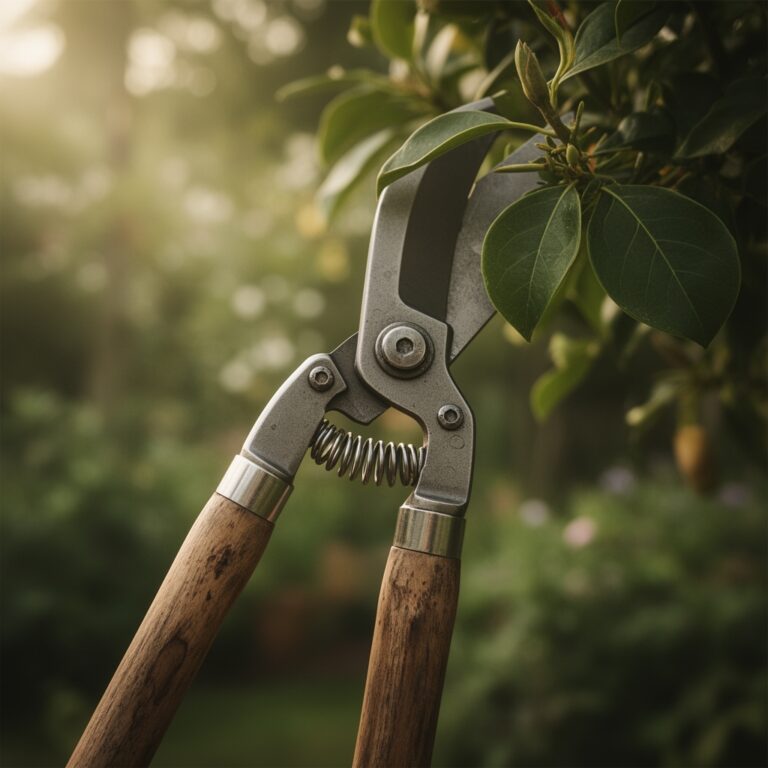
Use bypass pruners to remove only the tissue that is completely necrotic (brown and brittle). Do not prune yellowing leaves yet, as the plant is often reabsorbing mobile nutrients from those leaves to support the apical meristem. Clean your tools with 70 percent isopropyl alcohol between every cut to prevent the spread of opportunistic pathogens like Botrytis.
The Yield:
For tropical fruiting plants like Citrus or Monstera deliciosa, cold shock will likely cause fruit drop. If any fruit remains, harvest it immediately to allow the plant to redirect all carbohydrates toward survival. For flowers, wait until the bloom has reached 80 percent opening before cutting. To maintain "day-one" freshness post-harvest, submerge the stems in 110-degree Fahrenheit water (thermal pulsing) for 20 seconds, then transfer them to a cool, 40-degree Fahrenheit nutrient solution. This clears air embolisms from the xylem.
FAQ:
How long should I keep the plant in high humidity?
Keep the specimen enclosed for 14 to 21 days. This period allows the plant to complete one full cycle of cellular regeneration and stabilize its internal turgor pressure before facing standard household humidity levels.
Can I use a humidifier instead of a plastic tent?
A humidifier is effective if it can maintain at least 70 percent humidity. However, a plastic tent creates a more stable microclimate and prevents drafts, which are detrimental to recovery from cold shock.
Should I put my plant in direct sunlight to warm it up?
No. Direct sunlight increases the leaf temperature and transpiration rate too quickly. Place the plant in bright, indirect light (1,000 to 1,500 foot-candles) to prevent further desiccation of the compromised leaf tissues.
Is it okay to fertilize a cold-shocked plant?
Only use a highly diluted, low-nitrogen fertilizer once new growth is visible. Fertilizing too early can lead to salt accumulation in the rhizosphere, which dehydrates the already stressed roots through osmotic pressure.