9 Vital Steps to Prune Apple Trees
The smell of damp earth and the sharp, metallic scent of oxidized sap signal the start of the dormant season. A healthy apple tree maintains high turgor pressure within its cambium layer; this internal hydraulic force is the foundation for spring growth. Mastering the steps to prune apple trees requires more than just sharp blades. It demands an understanding of how light penetration and airflow dictate the structural integrity of the canopy. You are not just cutting wood; you are directing the flow of carbohydrates and hormones to ensure a high-quality yield. Proper pruning increases the Cation Exchange Capacity (CEC) efficiency by reducing the total biomass the root system must support. This allows for a concentrated delivery of minerals to the developing fruit spurs.
Materials:
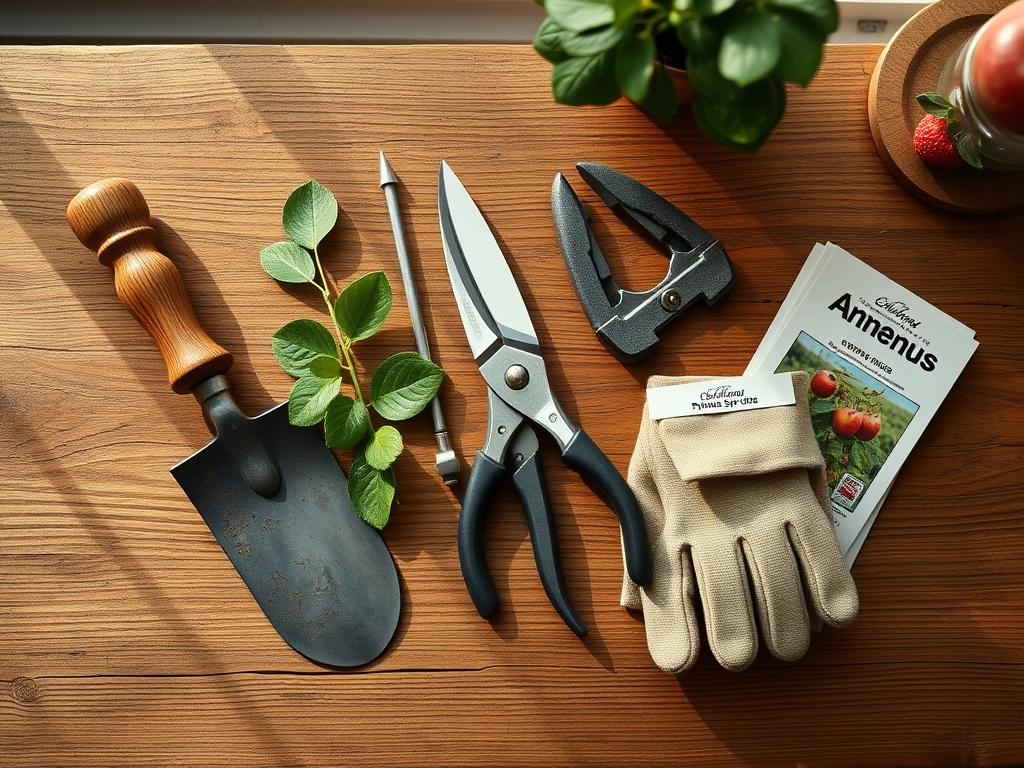
Before making the first cut, evaluate the rhizosphere. Apple trees thrive in a **friable loam** with a **pH between 6.0 and 7.0**. This texture ensures adequate pore space for oxygen to reach the root hairs. For optimal recovery after pruning, the soil should maintain an **NPK ratio of 10-10-10** for young trees or **5-10-10** for mature, bearing trees to avoid excessive vegetative growth. High nitrogen levels can lead to succulent growth that is susceptible to winter injury. Ensure your tools are sterilized with **70 percent isopropyl alcohol** to prevent the transfer of pathogens between specimens.
Timing:
The biological clock of the Malus domestica is governed by chilling hours and photoperiodism. In Hardiness Zones 4 through 8, the ideal window for pruning is late winter, specifically February to early March, before the buds begin to swell. Pruning during this dormant phase minimizes sap loss and allows the tree to seal wounds rapidly during the spring growth flush. If you prune too early in the winter, the exposed tissue may suffer desiccating frost damage. Conversely, pruning after the tree has entered its reproductive stage wastes the energy the tree invested in developing those buds.
Phases:
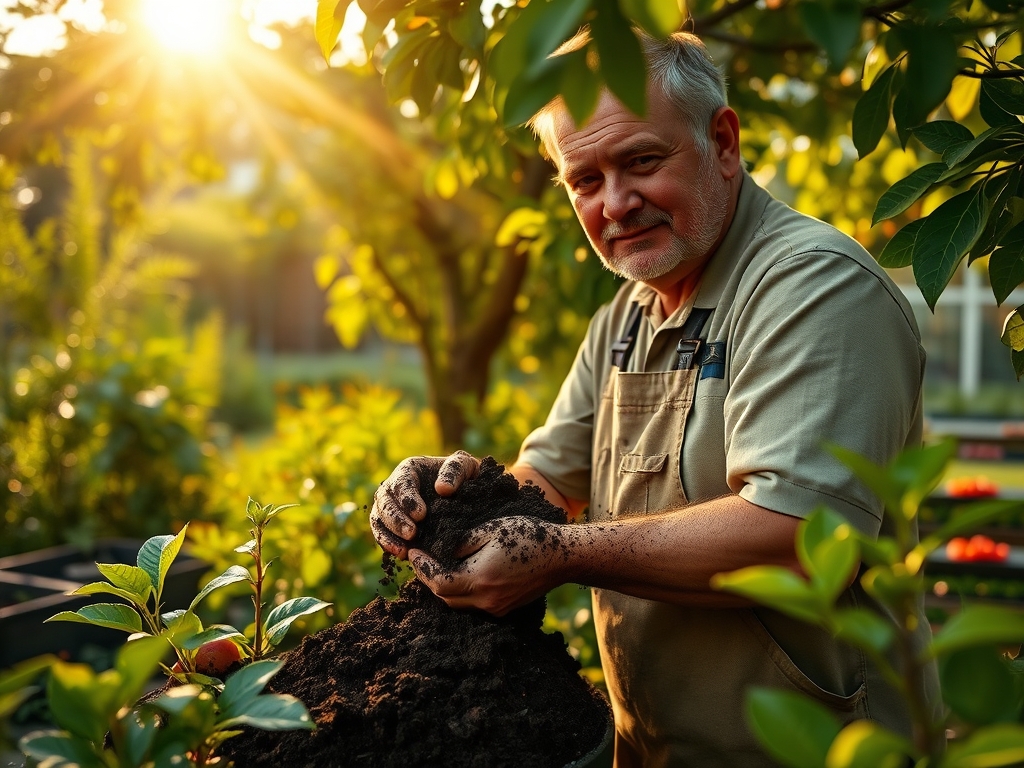
Sowing and Site Selection
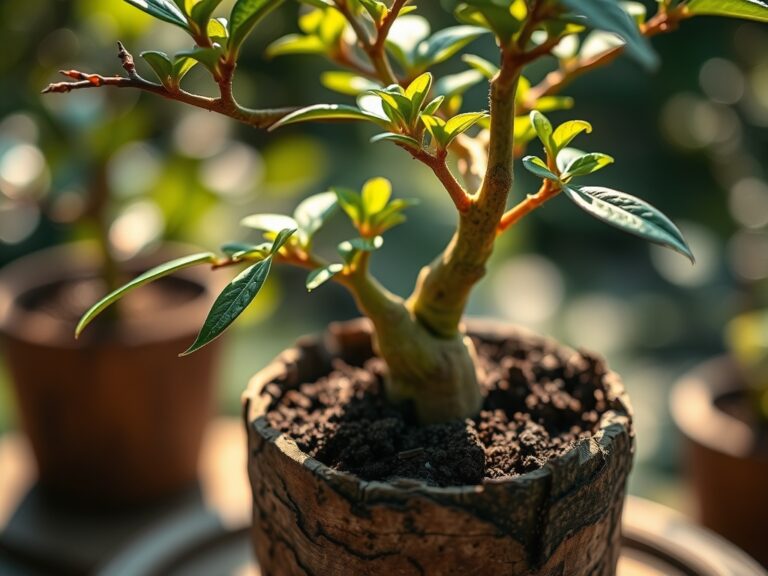
The foundation of a prune-ready tree begins at planting. Position trees in full sun to maximize photosynthesis. Ensure the graft union sits 2 to 3 inches above the soil line to prevent the scion from developing its own roots, which would negate the dwarfing characteristics of the rootstock.
Pro-Tip: Proper spacing prevents overcrowding and reduces humidity. This management of the microclimate limits the germination of fungal spores on the leaf surface.
Transplanting and Initial Heading
When transplanting a whip, head the tree back to 30 inches above the ground. This drastic cut disrupts auxin suppression. Auxins are hormones produced in the terminal bud that inhibit the growth of lateral buds. By removing the top, you force the tree to develop the scaffold branches that will form its permanent structure.
Pro-Tip: This process, known as breaking apical dominance, redirects energy to lower buds, ensuring a low-centered tree that is easier to harvest.
Establishing the Scaffold
Select three to five main branches that radiate evenly around the trunk. These should have a crotch angle of 45 to 60 degrees. Angles narrower than this are structurally weak and prone to splitting under the weight of a heavy crop. Use spreaders if necessary to widen these angles during the first two years of growth.
Pro-Tip: Maintaining wide angles ensures better light penetration into the interior of the canopy, which is essential for the transition from vegetative to reproductive buds.
The Clinic:
Physiological disorders often manifest through the foliage and bark. Identifying these early is critical for tree longevity.
Symptom: Interveinal chlorosis (yellowing between leaf veins).
Solution: This is often a sign of Nitrogen chlorosis or iron deficiency. Test the soil pH; if it is above 7.5, the iron is chemically locked and unavailable to the tree.
Fix-It: Apply chelated iron or a balanced 10-10-10 fertilizer to lower the pH and restore chlorophyll production.
Symptom: Water sprouts and suckers.
Solution: These are rapid, vertical shoots that drain energy from the tree. They often indicate over-pruning or excessive nitrogen.
Fix-It: Remove these flush to the branch collar during the summer to prevent them from regrowing.
Symptom: Stunted growth and pale leaves.
Solution: Low Cation Exchange Capacity (CEC) or poor drainage.
Fix-It: Incorporate organic matter to improve soil structure and increase the soil's ability to hold onto essential cations like Calcium (Ca2+) and Magnesium (Mg2+).
Maintenance:
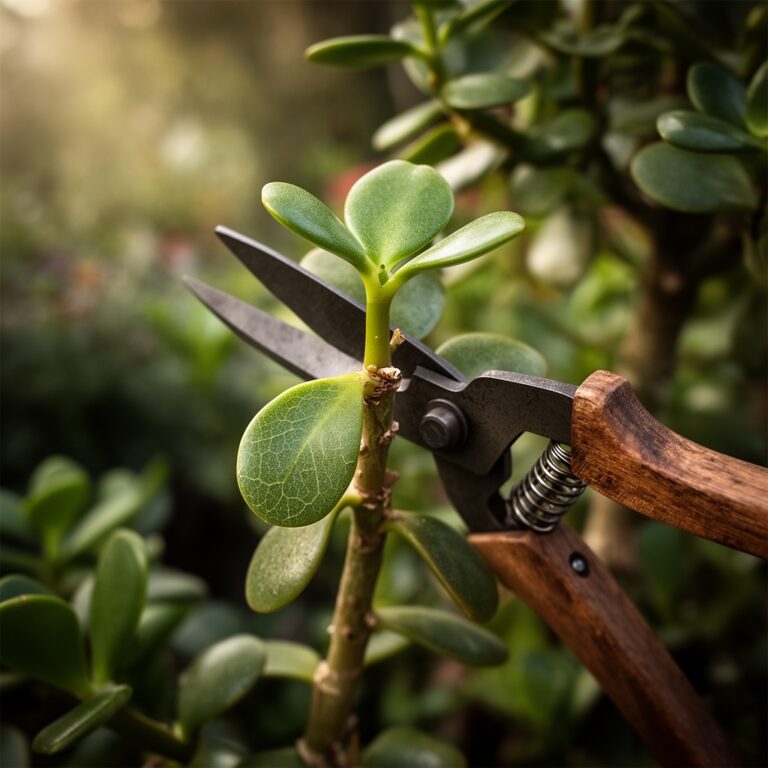
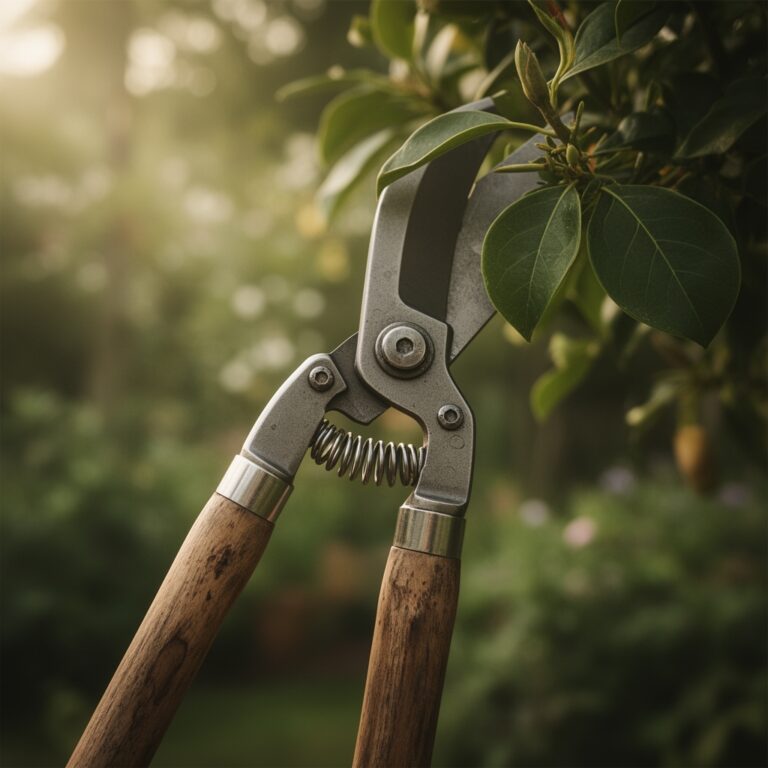
Consistency is the hallmark of a master horticulturist. Apple trees require approximately 1.5 inches of water per week delivered at the drip line. Use a soil moisture meter to ensure the root zone is hydrated to a depth of 12 inches. When pruning, use high-quality bypass pruners for small twigs and a pruning saw for branches larger than 1 inch in diameter. A hori-hori knife is invaluable for weeding around the base without damaging the shallow feeder roots. Always make cuts just outside the branch collar; this is the swollen area where the branch meets the trunk. This collar contains specialized cells that facilitate rapid healing and prevent wood decay.
The Yield:
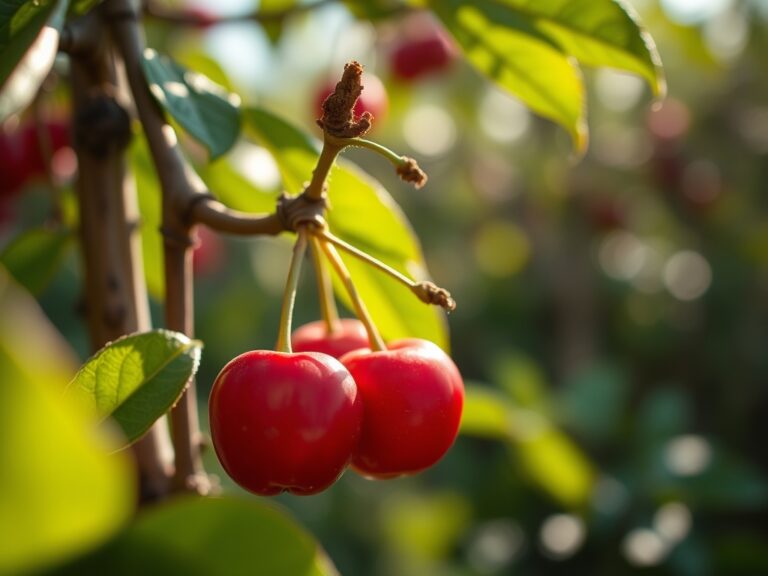
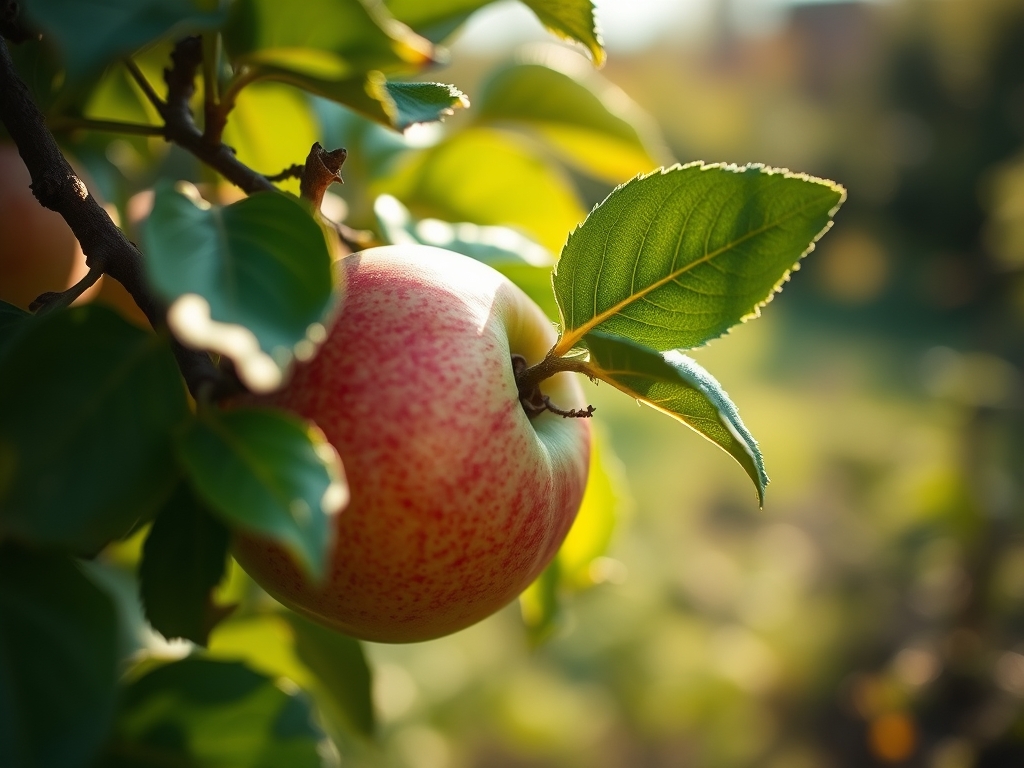
Harvesting is the culmination of your pruning efforts. Most apple varieties are ready when the "ground color" shifts from green to yellow or red. To check for ripeness, cradle the fruit in your palm and give it a slight upward twist. If it snaps off with the stem intact, it is ready. Avoid pulling the fruit downward, as this can damage the fruiting spurs that will produce next year's crop. For day-one freshness, move the apples immediately to a cold storage environment at 32 to 35 degrees Fahrenheit with 90 percent humidity. This slows the rate of respiration and senescence, preserving the crisp texture of the fruit.
FAQ:
When is the best time to prune apple trees?
Prune during late dormancy, typically late winter or early spring. This timing prevents sap loss and ensures the tree can heal wounds quickly as soon as the spring growth cycle begins.
How much of the tree should I remove?
Never remove more than 25 percent of the canopy in a single season. Excessive pruning triggers the growth of water sprouts and can stress the tree, leading to reduced fruit production and potential nutrient deficiencies.
What are the "Three Ds" of pruning?
Always prioritize removing Dead, Damaged, or Diseased wood. Removing these sections first improves the overall health of the tree and prevents the spread of pathogens throughout the rest of the canopy.
Why are my apple tree branches breaking?
Branches with narrow crotch angles (less than 45 degrees) are structurally weak. Pruning to encourage wider angles and thinning heavy fruit loads will prevent limb breakage and maintain the tree's structural integrity.
Do I need to paint pruning cuts?
No, modern arboriculture research shows that "wound dressings" or paint can trap moisture and fungi. The tree's natural defense mechanism, the branch collar, is more effective at sealing wounds when left uncovered.